Thursday, June 25, 2026
NewsezeNews with Rewards · Earn while you read
+5 credits / query
world

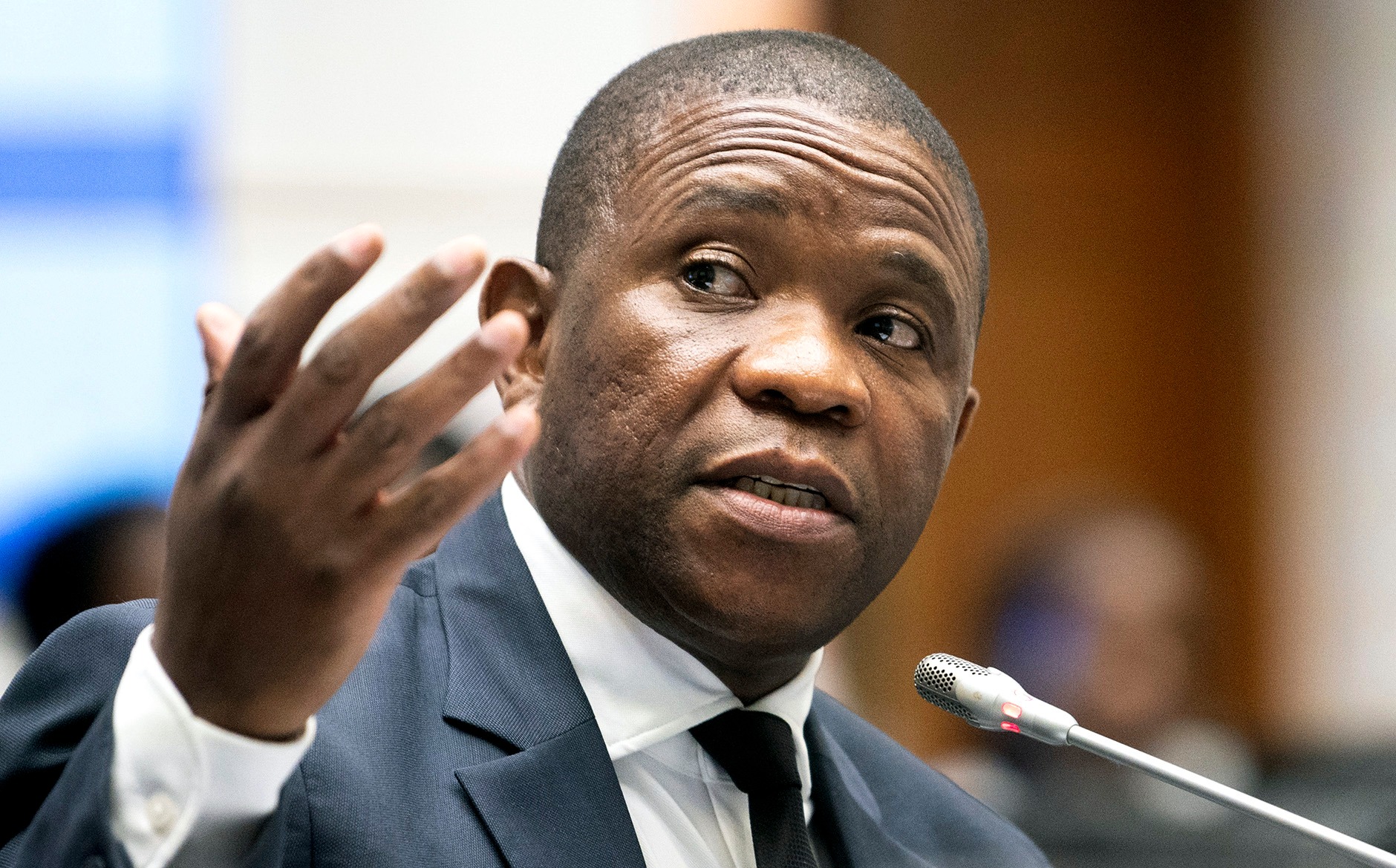
COP VS COP: Understanding Mkhwanazi’s ‘war’ — a deeper look at SA’s policing and justice crisis
Newseze Wire·Wed, Jun 24, 12:07 AMWire: Daily Maverick
Open original source Read full story (in-site)
COP VS COP: Understanding Mkhwanazi’s ‘war’ — a deeper look at SA’s policing and justice crisis

Lieutenant General Nhlanhla Mkhwanazi warns of a metaphorical ‘war’ within South Africa’s law enforcement, highlighting struggles between organised crime and an undermined justice system amid alarming institutional conflict.

Sourcing & attribution. Newseze provides AI-curated summaries, narrative framing, and editorial analysis. The underlying reporting was contributed by Daily Maverick; tap “Open original source” above to read their full reporting and support the contributing newsroom directly.

Newseze Analysis421 words · original commentary
# The Internal Battle Weakening South Africa's Law Enforcement Lieutenant General Nhlanhla Mkhwanazi's warnings about a "war" within South African policing reflect a sobering institutional reality: the country's law enforcement and justice apparatus faces not one crisis, but several converging ones. When senior police officials resort to militaristic language to describe internal dysfunction, it signals that conventional management and structural reforms have proven insufficient. Mkhwanazi's comments illuminate a deeper struggle—one in which organised crime networks exploit systemic vulnerabilities while corruption and institutional infighting simultaneously erode operational effectiveness from within. The substance of this concern deserves serious analysis. South Africa's criminal syndicates have demonstrated remarkable sophistication, moving capital across borders, infiltrating supply chains, and targeting infrastructure with increasing coordination. Yet law enforcement agencies charged with countering these threats operate under significant constraints: resource limitations, personnel turnover, and documented instances of criminal infiltration within police ranks. Mkhwanazi appears to be flagging that this external pressure combines with internal institutional conflict—bureaucratic turf wars, differing enforcement priorities between agencies, and potential corruption within the system itself. When police leadership must publicly warn about these internal "wars," it suggests the formal mechanisms for resolving such conflicts have stalled. The phenomenon isn't unique to South Africa, but its intensity there reflects both the scale of organised crime and institutional fragmentation that complicates coordinated response. What complicates assessment is clarity on evidence. Mkhwanazi's framing as a "war" is metaphorical rather than an empirical accounting of specific institutional failures, criminal infiltration percentages, or measurable performance degradation. This rhetorical choice serves a purpose—it elevates the urgency of the problem within political and bureaucratic circles—but it also leaves outside observers without precise metrics for evaluating the scale of the challenge or the effectiveness of any proposed solutions. Credible reform in such situations typically requires both candid acknowledgment of dysfunction and concrete, measurable benchmarks for improvement. The broader implications matter for South African citizens and regional stability alike. An undermined justice system and compromised law enforcement capability create space for organised crime to flourish, which destabilises both economic productivity and personal security. When senior officials openly discuss institutional warfare, some interpreted this as a plea for resources, personnel reforms, or structural consolidation of competing agencies. **Worth knowing:** Mkhwanazi's warnings highlight a dilemma facing many developing democracies—the need to build institutional capacity and integrity simultaneously under conditions of resource scarcity and active criminal pressure. South Africa's response to these cascading challenges will reveal whether reform can occur within existing structures or whether more fundamental reorganisation of security institutions is necessary. Reporting: Daily Maverick.
Ask Us · Any Story, Any AnswerBe the first to ask

Newseze's algorithm reads the story and answers your question — calmly, factually, with source attribution. No comments, no flame wars — just answers.

No questions yet. Be the first.

Answers reflect Newseze's editorial framework applied under fair use (17 U.S.C. § 107). Not financial, legal, medical, or tax advice. Hate speech and racial slurs are blocked.

Related stories