Friday, July 10, 2026
NewsezeNews with Rewards · Earn while you read
+5 credits / query
local

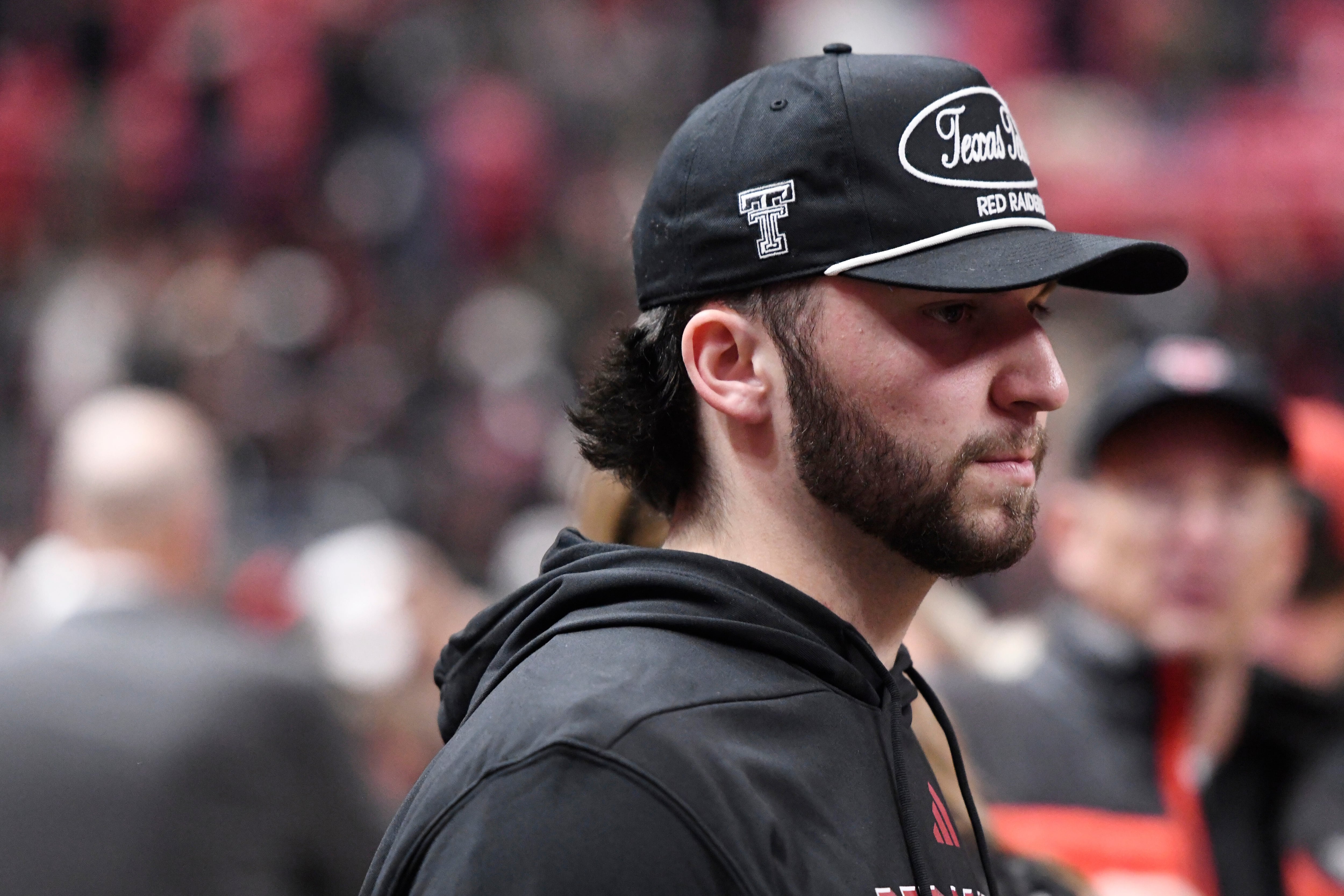
NCAA sends letter of inquiry to Cincinnati about Brendan Sorsby, according to reports
Newseze Wire·Wed, Jul 8, 10:18 PMWire: Philadelphia Inquirer
Open original source Read full story (in-site)
NCAA sends letter of inquiry to Cincinnati about Brendan Sorsby, according to reports

The NCAA wants to know what the University of Cincinnati knew about former quarterback Brendan Sorsby and his gambling issues during his two seasons with the program

Sourcing & attribution. Newseze provides AI-curated summaries, narrative framing, and editorial analysis. The underlying reporting was contributed by Philadelphia Inquirer; tap “Open original source” above to read their full reporting and support the contributing newsroom directly.

Newseze Analysis424 words · original commentary
# NCAA Seeks Information on Cincinnati's Handling of Quarterback's Gambling Activities The University of Cincinnati is facing NCAA scrutiny over its awareness of gambling problems involving former quarterback Brendan Sorsby during his tenure with the football program. The inquiry suggests the governing body wants to establish what institutional oversight occurred—or didn't occur—while Sorsby was an enrolled athlete. This development underscores an emerging compliance challenge for colleges: determining institutional responsibility when athletes engage in off-field financial misconduct that may violate NCAA rules. The NCAA's letter of inquiry represents a preliminary investigative step, not a formal charge. The organization is seeking documentation and testimony about what Cincinnati administrators, coaches, and support staff knew regarding Sorsby's gambling activities and when they learned of it. The distinction matters significantly. If Cincinnati demonstrated proper monitoring, educated Sorsby on NCAA prohibitions, and took documented action upon discovering issues, the institution stands on firmer ground. Conversely, if the university had knowledge but failed to act—or worse, concealed information—penalties could follow. The case illustrates a broader tension in college athletics: schools must balance student-athlete privacy and autonomy with compliance obligations. Gambling presents particular regulatory complexity because, unlike prohibited substance use or eligibility violations, it often occurs in legal venues and involves personal financial decision-making rather than rule-breaking directly tied to athletic advantage. The strength of the NCAA's case will depend heavily on paper trails and testimony. Modern universities typically document mental health referrals, counseling sessions, and disciplinary actions meticulously. If Cincinnati has records showing Sorsby received education about gambling prohibitions and resources for support, the institution may weather the inquiry with minimal consequences. However, if the university knew of Sorsby's struggles and failed to intervene appropriately—or if he received special benefits contingent on continued athletic participation despite financial instability—enforcement action becomes more probable. The evidence quality hinges on internal communications, coaching staff interactions, and compliance office documentation. Questions will likely center on whether Sorsby received special treatment, whether gambling directly affected his athletic performance or eligibility, and whether Cincinnati fulfilled its duty to monitor athlete welfare. **Worth Knowing:** This inquiry reflects the NCAA's evolving approach to athlete welfare alongside competitive integrity. Rather than treating gambling solely as a compliance violation, the organization increasingly views it as a student-athlete health matter—one that institutions have responsibility to address. For Cincinnati and other programs, the takeaway is clear: documentation of proactive intervention, education, and support becomes crucial. Universities operating under heightened scrutiny may need to strengthen protocols around identifying at-risk athletes and ensuring confidential pathways to help exist and are actually used. Reporting: Philadelphia Inquirer.
Ask Us · Any Story, Any AnswerBe the first to ask

Newseze's algorithm reads the story and answers your question — calmly, factually, with source attribution. No comments, no flame wars — just answers.

No questions yet. Be the first.

Answers reflect Newseze's editorial framework applied under fair use (17 U.S.C. § 107). Not financial, legal, medical, or tax advice. Hate speech and racial slurs are blocked.

Related stories

Federal appeals court upholds Illinois ban on semiautomatic weapons, overturning lower-court ruling
LOCALTrending Righttrust 80
Federal appeals court upholds Illinois ban on semiautomatic weapons, overturning lower-court ruling

Why it mattersA federal appeals court on Thursday upheld an Illinois ban on semiautomatic weapons, keeping in place a law passed largely in response to a deadly Independence Day parade shooting. The ruling by the U.S.

A federal appeals court on Thursday upheld an Illinois ban on semiautomatic weapons, keeping in place a law passed largely in response to a deadly Independence …

ChellaBy Chella·1h ago
WireKTAR Phoenix
Full Analysis Comment PostRead →