Thursday, July 16, 2026
NewsezeNews with Rewards · Earn while you read
+5 credits / query
world

US resumes Iran blockade
Newseze Wire·Tue, Jul 14, 10:49 PMWire: Sydney Morning Herald
Open original source Read full story (in-site)
US resumes Iran blockade

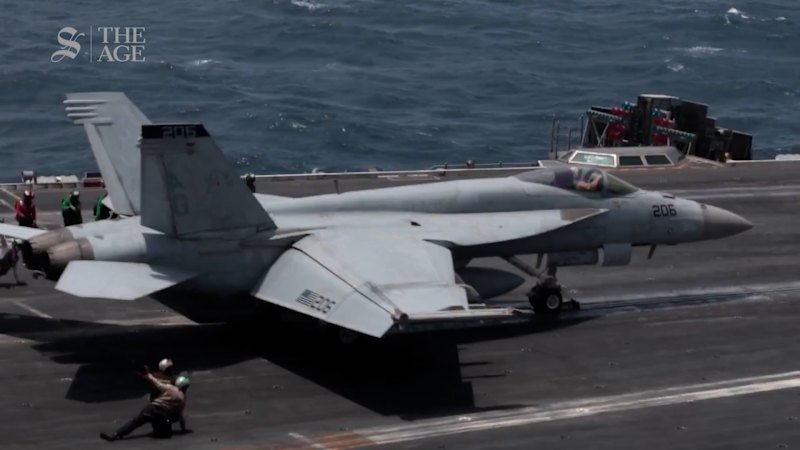
American forces have launched further strikes on Iran and resumed the blockade of Iranian ports in the Strait of Hormuz.

Sourcing & attribution. Newseze provides AI-curated summaries, narrative framing, and editorial analysis. The underlying reporting was contributed by Sydney Morning Herald; tap “Open original source” above to read their full reporting and support the contributing newsroom directly.

Newseze Analysis440 words · original commentary
# US Resumes Iran Blockade: Strategic Pressure in the Strait The United States has resumed military operations against Iran, including strikes on Iranian targets and a renewed blockade of shipping lanes through the Strait of Hormuz. The move represents a significant escalation in the ongoing tension between Washington and Tehran, marking a return to direct confrontation after a period of relative calm. These actions place renewed pressure on one of the world's most critical energy chokepoints, through which roughly one-third of global seaborne petroleum passes. The resumed blockade signals a deliberate American choice to constrain Iran's economic activity and military capabilities simultaneously. By restricting port access, the US aims to limit Tehran's ability to export oil—a primary source of government revenue—while also complicating Iranian logistics and trade operations. The concurrent military strikes appear designed to demonstrate American resolve and impose costs on Iranian assets or activities deemed threatening to regional allies or US interests. The timing and scope of these actions suggest a coordinated strategy rather than reactive posturing. From a practical standpoint, the blockade creates immediate consequences for global energy markets, potentially affecting fuel prices and supply stability. Insurance and shipping costs in the region typically rise during such periods, which can have downstream effects on consumer prices worldwide. The strategic calculation underlying these moves reflects longstanding American concerns about Iranian regional ambitions, particularly its support for proxy forces in Iraq, Syria, Yemen, and its own advanced missile and drone programs. Supporters of the blockade argue it provides leverage to constrain destabilizing activities without requiring the political cost of direct large-scale conflict. Critics, meanwhile, contend that such pressure campaigns risk miscalculation or entrench Iranian hostility further, potentially making future negotiations more difficult. The quality of evidence supporting specific Iranian threats driving these actions remains partially opaque to public view, as is typical with classified military intelligence. What is visible is that the US has aligned these measures with concerns it has openly stated regarding Iranian behavior. The broader context matters significantly: regional allies including Saudi Arabia, the UAE, and Israel have pressed Washington for stronger measures against Iran, while European nations often counsel restraint and favor diplomatic engagement. This divergence in approach creates both constraints and opportunities for American policymakers seeking to balance security concerns with economic and diplomatic considerations. **Worth knowing:** The Strait of Hormuz remains one of geopolitics' most sensitive flashpoints. Any sustained disruption to traffic there carries consequences far beyond the US-Iran dispute, affecting energy costs and economic stability globally. How long these operations continue and whether they escalate or eventually open space for negotiation will shape regional dynamics for months ahead. Reporting: Sydney Morning Herald.
Ask Us · Any Story, Any AnswerBe the first to ask

Newseze's algorithm reads the story and answers your question — calmly, factually, with source attribution. No comments, no flame wars — just answers.

No questions yet. Be the first.

Answers reflect Newseze's editorial framework applied under fair use (17 U.S.C. § 107). Not financial, legal, medical, or tax advice. Hate speech and racial slurs are blocked.

Related stories