West Asia war LIVE: Mediators hail 'progress' in U.S.-Iran talks after lengthy opening session
'/> </pattern> </defs> <rect width='1200' height='675' fill='url(%23g)'/> <rect width='1200' height='675' fill='url(%23dots)'/> <rect x='60' y='210' width='6' height='80' fill='%23f5a524'/> <text x='90' y='268' font-size='15' font-weight='900' letter-spacing='5' fill='%23f5a524'>WORLD</text> <g font-family='Inter, Arial, sans-serif'> <text x='60' y='320' font-size='44' font-weight='800' fill='rgba(255,255,255,0.97)' letter-spacing='-0.5'>West Asia war LIVE: Mediators hail</text><text x='60' y='376' font-size='44' font-weight='800' fill='rgba(255,255,255,0.97)' letter-spacing='-0.5'>'progress' in U.S.-Iran talks after</text><text x='60' y='432' font-size='44' font-weight='800' fill='rgba(255,255,255,0.97)' letter-spacing='-0.5'>lengthy opening session…</text> <text x='60' y='620' font-size='14' font-weight='700' letter-spacing='3' fill='rgba(255,255,255,0.7)'>THE HINDU · NEWSEZE</text> </g> </svg>)
The host nation said conditions were set for technical talks to immediately follow, with the sides at the beginning of 60 days to secure a long-term settlement
Sourcing & attribution. Newseze provides AI-curated summaries, narrative framing, and editorial analysis. The underlying reporting was contributed by The Hindu; tap “Open original source” above to read their full reporting and support the contributing newsroom directly.
Across the aisle
Same story · other lanesHere's how the same story is being covered by outlets in other lanes. Read both — Newseze doesn't pick a side.
Newseze's algorithm reads the story and answers your question — calmly, factually, with source attribution. No comments, no flame wars — just answers.
No questions yet. Be the first.
Answers reflect Newseze's editorial framework applied under fair use (17 U.S.C. § 107). Not financial, legal, medical, or tax advice. Hate speech and racial slurs are blocked.
Related stories
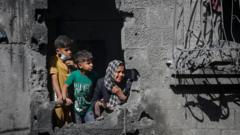
Why it mattersIsrael rejects the new report by the three-member expert panel, calling it a "libellous sham".
 By Chella·15h ago
Why it mattersForty people have drowned in heatwave-related deaths in France since last Thursday, Prime Minister Sébastien Lecornu says.
By Chella·15h ago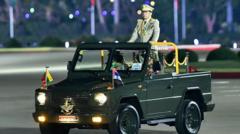
Why it mattersThe new UN report says the 702 civilian deaths over six months last year included 153 children.
By Chella·1d ago
Why it mattersIran's foreign ministry says it made "no new commitments" on nuclear inspections after talks in Switzerland.
By Chella·1d ago