Saturday, October 10, 2026
NewsezeNews with Rewards · Earn while you read
+5 credits / query
local

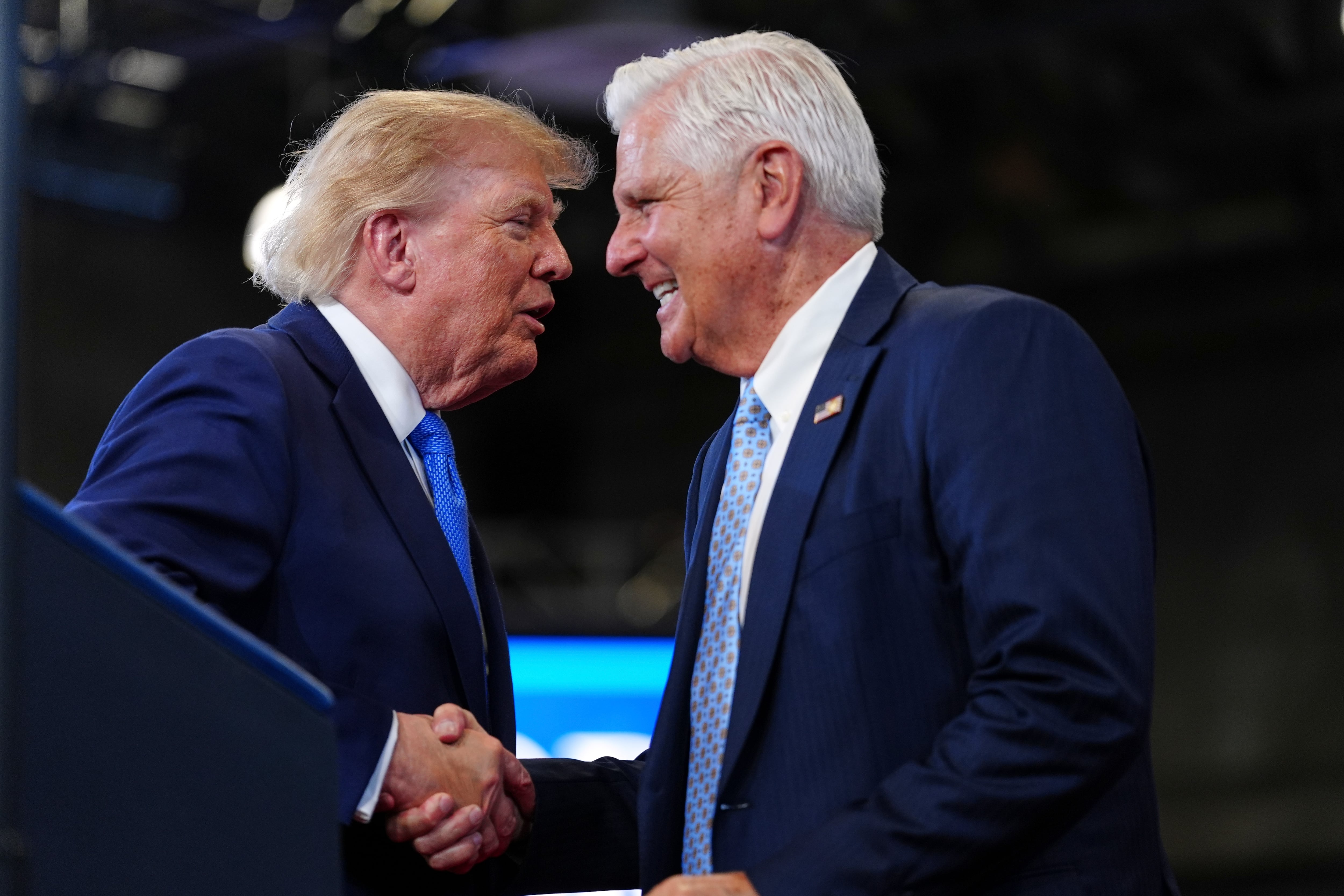
In New York governor's race, a Republican rallies with Trump and leans into his political playbook
Newseze Wire·Fri, Oct 9, 10:48 PMWire: Philadelphia Inquirer
Open original source Read full story (in-site)
In New York governor's race, a Republican rallies with Trump and leans into his political playbook

In his campaign to become the next New York governor, Republican Bruce Blakeman has suggested Democrats might steal the election, played up fears about immigrant criminals and posted AI-generated videos depicting the state as dangerous a…

Sourcing & attribution. Newseze provides AI-curated summaries, narrative framing, and editorial analysis. The underlying reporting was contributed by Philadelphia Inquirer; tap “Open original source” above to read their full reporting and support the contributing newsroom directly.

Newseze Analysis429 words · original commentary
# How a Republican Challenger in New York Is Adopting Trump-Era Campaign Tactics Bruce Blakeman's bid for the New York governorship represents a notable shift in how Republican candidates are framing their campaigns in Democratic-leaning states. By aligning closely with former President Trump and borrowing from his political playbook, Blakeman is testing whether messaging strategies that resonated in 2016 and 2020 can work in a 2024 gubernatorial race. His approach signals how deeply Trump-influenced tactics have become embedded in Republican campaign infrastructure, even in regions where Republicans face structural electoral disadvantages. Blakeman's campaign strategy reflects several recognizable elements from recent Republican campaigns: pre-emptive claims about election integrity, emphasis on immigration enforcement tied to public safety, and the use of AI-generated imagery to amplify messaging about crime and disorder. These approaches serve a dual purpose—they energize conservative primary voters and early donors while simultaneously creating media attention that extends the campaign's reach beyond paid advertising. The effectiveness of these tactics depends partly on how voters separate campaign rhetoric from policy specifics. Blakeman's messaging on immigration focuses on criminal activity linked to migrants, a theme that resonates with voters concerned about public safety but requires careful factual support to withstand scrutiny. Similarly, claims about election vulnerability, while reflecting genuine debates about voting system security, carry particular weight given ongoing national discussions about electoral processes. The use of AI-generated content adds another dimension, raising questions about how voters assess authenticity in campaign materials and whether such techniques serve legitimate communication or risk misleading voters. New York's deeply blue lean historically presents a structural challenge for Republican candidates, making campaign innovation—whether messaging, digital tactics, or alliance-building—particularly important for competitive positioning. The evidence quality underlying these campaign appeals matters considerably. Election security remains a legitimate policy discussion, with reasonable people disagreeing about appropriate safeguards. Crime statistics, when accurately cited, provide concrete data for policy debates. However, the framing of these issues and the claims made about their severity determine whether voters can make informed comparisons between candidates. Blakeman's coalition-building with Trump also reflects practical political mathematics—Trump maintains significant influence in Republican primary and donor bases, making alignment strategically valuable even in states where Trump himself lost the general election by wide margins. **Worth knowing:** As campaigns increasingly adopt digital tools and personality-driven messaging, voters face the challenge of distinguishing between rhetoric designed to motivate and policy substance meant to govern. Blakeman's campaign will ultimately succeed or fail not on tactical innovation but on whether New York voters find his proposed solutions persuasive compared to the incumbent's record and alternative candidates' visions. Reporting: Philadelphia Inquirer

Across the aisle

Same story · other lanes

Here's how the same story is being covered by outlets in other lanes. Read both — Newseze doesn't pick a side.

All lanes still pass Newseze's calm filters (no drama, no conspiracy, respect baseline).
Ask Us · Any Story, Any AnswerBe the first to ask

Newseze's algorithm reads the story and answers your question — calmly, factually, with source attribution. No comments, no flame wars — just answers.

No questions yet. Be the first.

Answers reflect Newseze's editorial framework applied under fair use (17 U.S.C. § 107). Not financial, legal, medical, or tax advice. Hate speech and racial slurs are blocked.

Related stories

Richmond man receives 169-year sentence for two rapes while on parole
LOCALtrust 98
Richmond man receives 169-year sentence for two rapes while on parole

Why it mattersThe case highlights the criminal justice system's struggle with repeat violent offenders released into communities and raises questions about parole oversight and victim protection.

A Richmond man was sentenced to 169 years in prison for beating and raping two women while he was on parole for an earlier rape, prosecutors announced Friday.

ChellaBy Chella·47m ago
WireKTVU Fox 2 Bay Area
Full Analysis Comment PostRead →
Equipment failure blacks out Shoreline schools; power restored by mid-morning
LOCALtrust 88
Equipment failure blacks out Shoreline schools; power restored by mid-morning

Why it mattersFamilies faced sudden school disruption in a major Seattle suburb, raising questions about utility infrastructure resilience and emergency communication protocols during outages.

The outage was caused by an equipment failure, Seattle City Light said. Power was restored shortly before 10 a.m.

ChellaBy Chella·37m ago
WireKING 5 Seattle
Full Analysis Comment PostRead →