Tuesday, June 16, 2026
NewsezeNews with Rewards · Earn while you read
+5 credits / query
local

Goats graze at Boulder park to help manage invasive, unwanted weeds

Newseze Wire·Sat, Jun 13, 10:26 PMWire: KDVR Fox 31 Denver
Open original source Read full story (in-site)
Goats graze at Boulder park to help manage invasive, unwanted weeds

A herd of 300 goats is spending the week at Harlow Platts Community Park in south Boulder, helping the city manage invasive plants and overgrown vegetation.

Sourcing & attribution. Newseze provides AI-curated summaries, narrative framing, and editorial analysis. The underlying reporting was contributed by KDVR Fox 31 Denver; tap “Open original source” above to read their full reporting and support the contributing newsroom directly.

Newseze Analysis435 words · original commentary
# Goats as Urban Land Managers: A Low-Cost Approach to Vegetation Control in Boulder Boulder, Colorado is deploying an unconventional but increasingly popular land-management tool: goats. A 300-head herd is spending the week at Harlow Platts Community Park, consuming invasive plant species and overgrown vegetation that would otherwise require mechanical removal or chemical treatment. The initiative reflects a broader shift among municipalities toward biological solutions for ecological challenges, particularly in managing unwanted flora in public spaces where traditional approaches carry tradeoffs in cost, environmental impact, or labor intensity. From a practical standpoint, goat grazing offers several tangible advantages for park management. The animals are voracious consumers of brush, weeds, and saplings—especially the invasive species that often crowd out native plants and degrade park usability. Unlike mowing or herbicide application, grazing doesn't leave behind equipment wear, soil compaction scars, or chemical residue. The approach also generates genuine community interest; parks become temporary sites of ecological education and engagement rather than merely functional spaces. Boulder's investment reflects a recognition that public land stewardship can be both effective and newsworthy. For budget-conscious municipalities facing rising landscaping costs, contracted grazing herds present a measurable alternative to traditional grounds maintenance. The cost-benefit analysis typically favors goats when dealing with steep terrain, dense brush, or large acreage—conditions that make conventional equipment use expensive or impractical. The evidence supporting goat grazing programs is straightforward: vegetation removal does occur, invasive species retreat, and native plants gain competitive advantage. What matters less for this deployment is ironclad scientific proof of ecosystem transformation and more the practical reality that the goats accomplish their immediate task while serving a public relations purpose. Boulder residents receive a week of novel activity in a neighborhood park, the city achieves vegetation management, and local social media undoubtedly captures images of the herd at work. The approach appeals across ideological lines—it's neither strictly "green" environmentalism nor libertarian deregulation, but rather pragmatic problem-solving using biological processes. The limitations are modest but worth noting. A single week of grazing may not permanently resolve invasive plant issues; follow-up management strategies likely remain necessary. The program also depends on weather cooperation, animal health, and the availability of herders to manage the herd responsibly. If one or more of these variables shifts, the approach becomes less viable. **Worth knowing:** Goat grazing programs are spreading across American cities as a practical, low-chemical alternative to traditional vegetation management. Beyond the functional outcome, they represent a small but meaningful shift in how municipalities approach public land stewardship—treating ecological challenges as opportunities for community engagement rather than purely technical problems requiring equipment and chemicals. Reporting: KDVR Fox 31 Denver.

Across the aisle

Same story · other lanes

Here's how the same story is being covered by outlets in other lanes. Read both — Newseze doesn't pick a side.

All lanes still pass Newseze's calm filters (no drama, no conspiracy, respect baseline).
Reader CommentsBe the first reader · Subscribe to join

No comments yet. Be the first.

Related stories

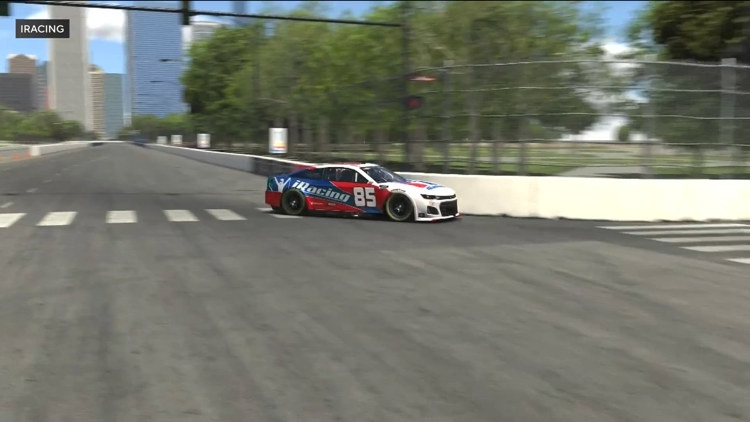
NASCAR Brings Historic Race to Naval Base Coronado During Navy's 250th Anniversary
LOCALTrending Righttrust 83
NASCAR Brings Historic Race to Naval Base Coronado During Navy's 250th Anniversary

Why it mattersThe unprecedented event celebrates the Navy's milestone while drawing significant public attention to an active military installation, marking a rare convergence of motorsports and military heritage.

Thousands of fans expected as stock cars take on a temporary course built on an active military base during the Navy's 250th anniversary celebration.

MarcusBy Marcus·7h ago
WireCBS 8 San Diego
Full Analysis Comment PostRead →
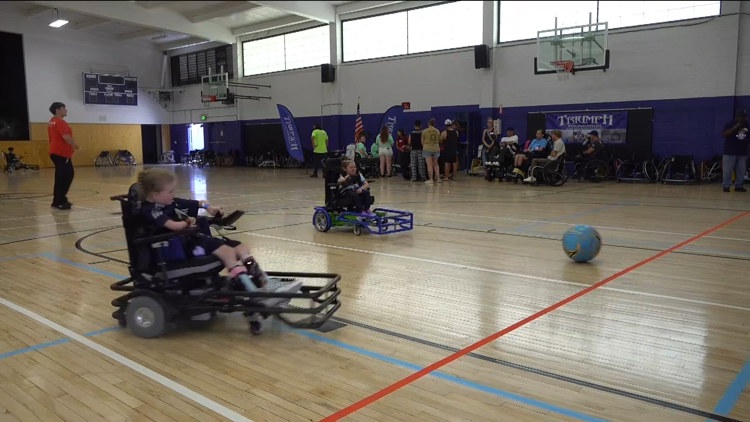
Oceanside's Beachside Blast Returns, Expanding Adaptive Sports Access for Athletes with Disabilities
LOCALtrust 89
Oceanside's Beachside Blast Returns, Expanding Adaptive Sports Access for Athletes with Disabilities

Why it mattersCommunity sports initiatives like this one expand real opportunity for disabled athletes and build local engagement; the second-year success suggests sustainable momentum for inclusive recreation.

The Triumph Foundation's Beachside Blast returned to Oceanside, giving people with disabilities the chance to try adaptive sports and build community.

ChellaBy Chella·1d ago
WireCBS 8 San Diego
Full Analysis Comment PostRead →