Friday, July 10, 2026
NewsezeNews with Rewards · Earn while you read
+5 credits / query
sports

Why did 20% of the NBA participate in a complicated six-team trade involving 10 role players?
Newseze Wire·Wed, Jul 8, 10:23 PMWire: CBS Sports
Open original source Read full story (in-site)
Why did 20% of the NBA participate in a complicated six-team trade involving 10 role players?

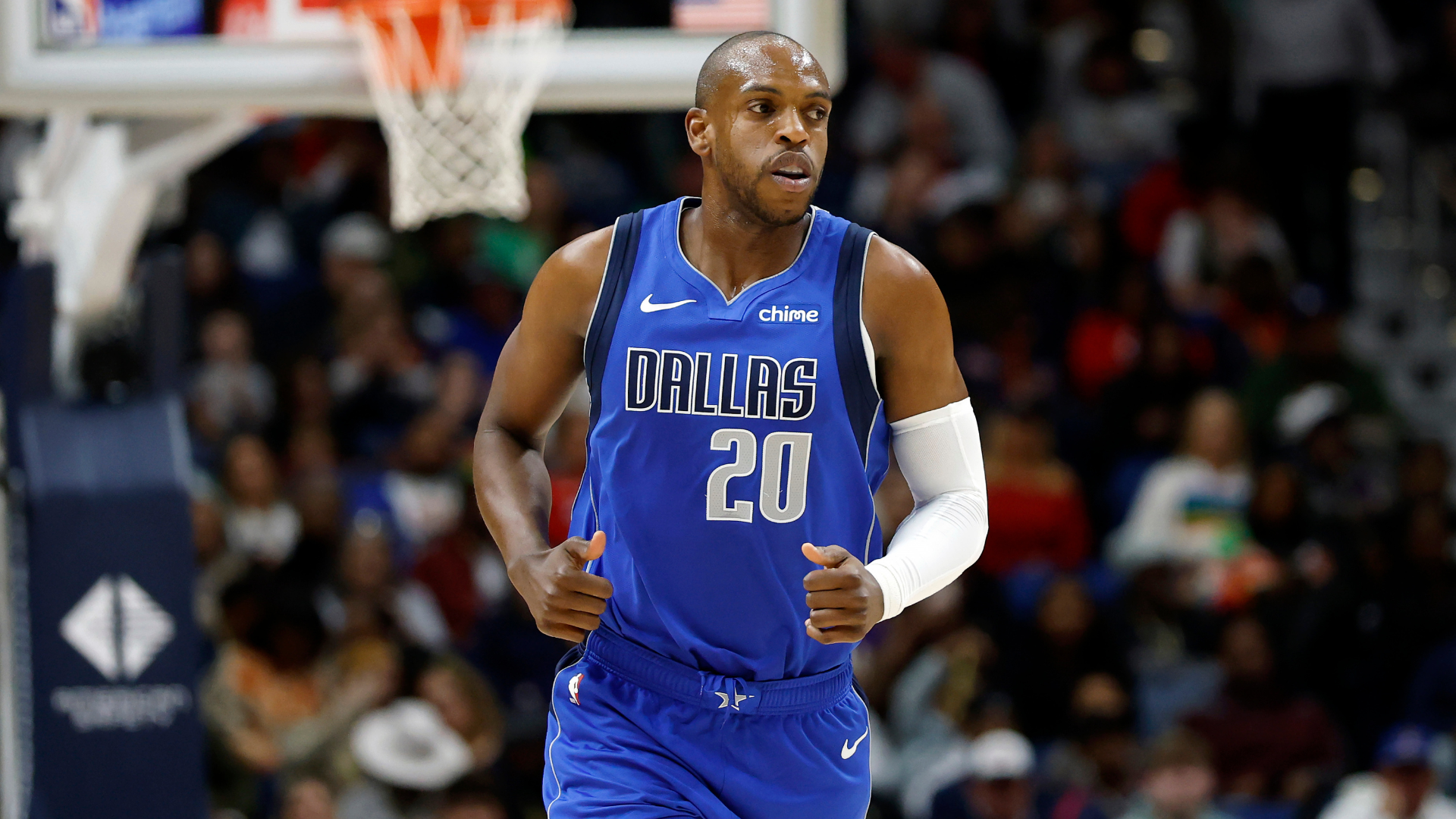
Khris Middleton's return to the Wizards evolved into a complex deal with one main objective for six teams

Sourcing & attribution. Newseze provides AI-curated summaries, narrative framing, and editorial analysis. The underlying reporting was contributed by CBS Sports; tap “Open original source” above to read their full reporting and support the contributing newsroom directly.

Newseze Analysis440 words · original commentary
# The NBA's Summer of Orchestrated Realignment: What a Six-Team Trade Reveals About Modern Basketball Strategy The NBA's offseason recently showcased a sprawling six-team trade involving roughly 20% of league rosters—a labyrinthine exchange of 10 role players centered nominally on returning Khris Middleton to the Washington Wizards. Such complexity in a single transaction reveals how contemporary basketball operations have evolved beyond simple two-team swaps. What appears chaotic on the surface actually reflects a coordinated effort by six franchises to simultaneously address roster constraints, salary cap obligations, and competitive positioning. The deal's architecture suggests that in today's salary-capped environment, teams often cannot solve their roster needs independently; instead, they require multi-team choreography to unlock value and create workable financial pathways. The primary function of such deals is what might be called "constraint resolution." Each of the six teams participating faced different but interconnected obstacles—a team over the luxury tax threshold needing outbound salary, another seeking depth without major expenditure, a third hoping to clear roster spots for draft prospects or free-agent signings. By threading together multiple smaller exchanges into a single transaction, the teams collectively created a solution that wouldn't have existed in bilateral negotiations. Middleton's reported movement to Washington likely served as the gravitational center, but the surrounding nine player exchanges were the true mechanism. Role players—the bulk of NBA rosters—serve as tradeable assets in these arrangements precisely because their value varies significantly by team need and financial circumstance. For a contender seeking one specific piece, a role player might be expendable; for a rebuilding team, that same player offers NBA-level production at a manageable cost. The deal's value to each franchise likely differs substantially, reflecting how basketball economics rarely produce clean, symmetric exchanges. Evidence of successful multi-team trades is mixed. Some such arrangements have positioned teams to compete effectively; others have merely shuffled deck chairs. The quality of analysis here depends on team-specific outcomes over the next 12-24 months. What matters most is whether each participating franchise achieved its primary objective without overpaying in future draft capital or taking on toxic contracts. The willingness of six teams to engage in this complexity suggests all parties believed the arrangement superior to their alternatives. **Worth knowing:** The complexity of modern NBA transactions—particularly those involving salary cap gymnastics and role-player movement—has become an organizational competency in itself. Front offices increasingly hire specialists in cap management and contract architecture. For fans, these trades can seem bewildering, but they represent teams making calculated, rational decisions within severe financial constraints. The real indicator of success isn't the trade's elegance; it's whether each team's roster is meaningfully improved for their specific competitive timeline. Reporting: CBS Sports.
Ask Us · Any Story, Any AnswerBe the first to ask

Newseze's algorithm reads the story and answers your question — calmly, factually, with source attribution. No comments, no flame wars — just answers.

No questions yet. Be the first.

Answers reflect Newseze's editorial framework applied under fair use (17 U.S.C. § 107). Not financial, legal, medical, or tax advice. Hate speech and racial slurs are blocked.

Related stories

Czech Women's Tennis Dynasty Builds: Muchova and Noskova Set for Wimbledon Final
SPORTStrust 97
Czech Women's Tennis Dynasty Builds: Muchova and Noskova Set for Wimbledon Final

Why it mattersCzechia's continued dominance at Wimbledon—with two of the last three women's singles titles—signals a sustained competitive advantage in elite women's tennis that reflects decades of grasscourt development and talent cu…

Czechia’s Karolina Muchova and Linda Noskova will face off in the 2026 Wimbledon Championships women’s singles final on Saturday, July 11. Czechian women won tw…

ChellaBy Chella·2h ago
WireYahoo Sports
Full Analysis Comment PostRead →