Love Your Coffee Piping Hot? It May Raise Your Esophageal Cancer Risk

Drinking coffee or tea at very high temperatures could triple your risk of esophageal cancer, researchers say. alvarez/E+/Getty Images Researchers have found a possible link between drinking very hot drinks and esophageal cancer.
Sourcing & attribution. Newseze provides AI-curated summaries, narrative framing, and editorial analysis. The underlying reporting was contributed by Healthline; tap “Open original source” above to read their full reporting and support the contributing newsroom directly.
Newseze's algorithm reads the story and answers your question — calmly, factually, with source attribution. No comments, no flame wars — just answers.
No questions yet. Be the first.
Answers reflect Newseze's editorial framework applied under fair use (17 U.S.C. § 107). Not financial, legal, medical, or tax advice. Hate speech and racial slurs are blocked.
Related stories

Why it mattersAn enhanced diet and exercise program may support men during prostate cancer treatment, according to a new study. Maki Nakamura/DigitalVision/Getty Images Researchers say a monitored program of diet, exercise, and behavi…
An enhanced diet and exercise program may support men during prostate cancer treatment, according to a new study. Maki Nakamura/DigitalVision/Getty Images Resea…
 By Chella·1h ago
Why it mattersA new study suggests that light exposure during sleep could raise the risk of cardiovascular disease. Yana Iskayeva/Moment/Getty Images New research shows that even dim light during sleep may thicken heart muscle walls a…
A new study suggests that light exposure during sleep could raise the risk of cardiovascular disease. Yana Iskayeva/Moment/Getty Images New research shows that …
By Chella·13h ago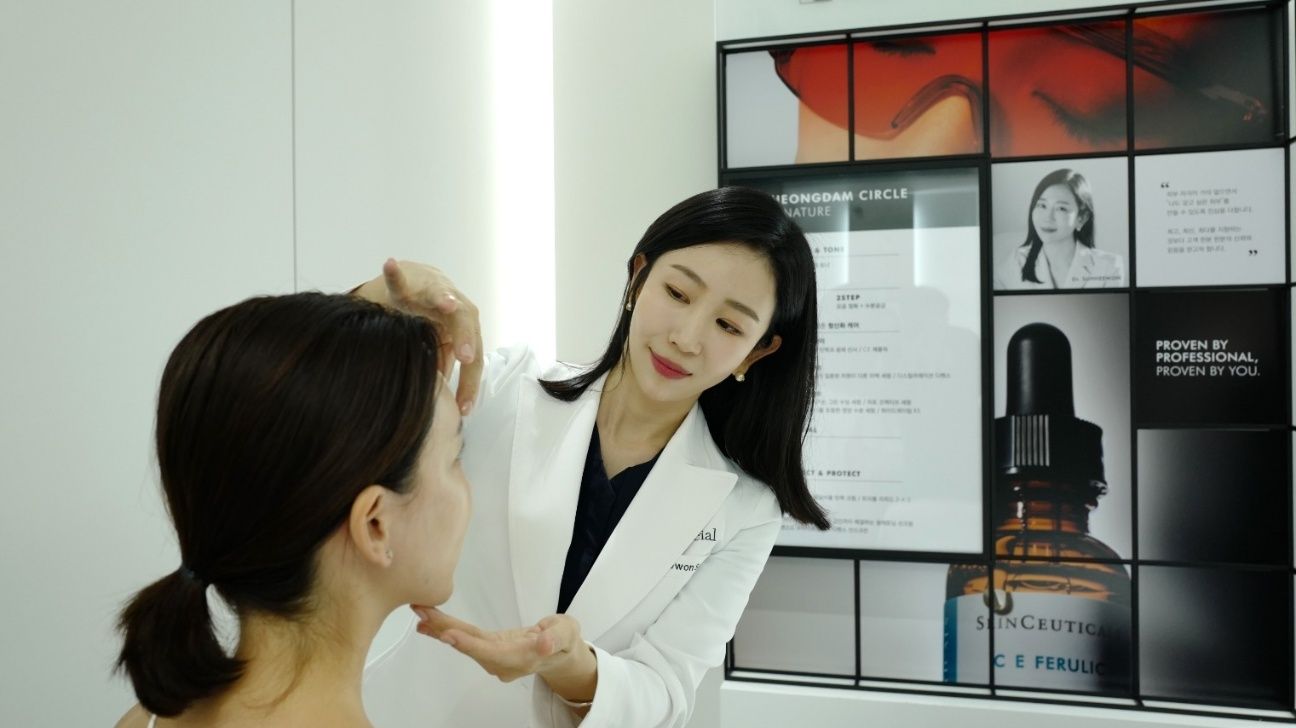
Why it mattersDr. Heewon Suh, a physician and renowned Korean aesthetic medicine expert, assesses a patient’s skin at her clinic in Seoul, Korea.
Dr. Heewon Suh, a physician and renowned Korean aesthetic medicine expert, assesses a patient’s skin at her clinic in Seoul, Korea. Photo credit: Cheongda…
By Chella·4h ago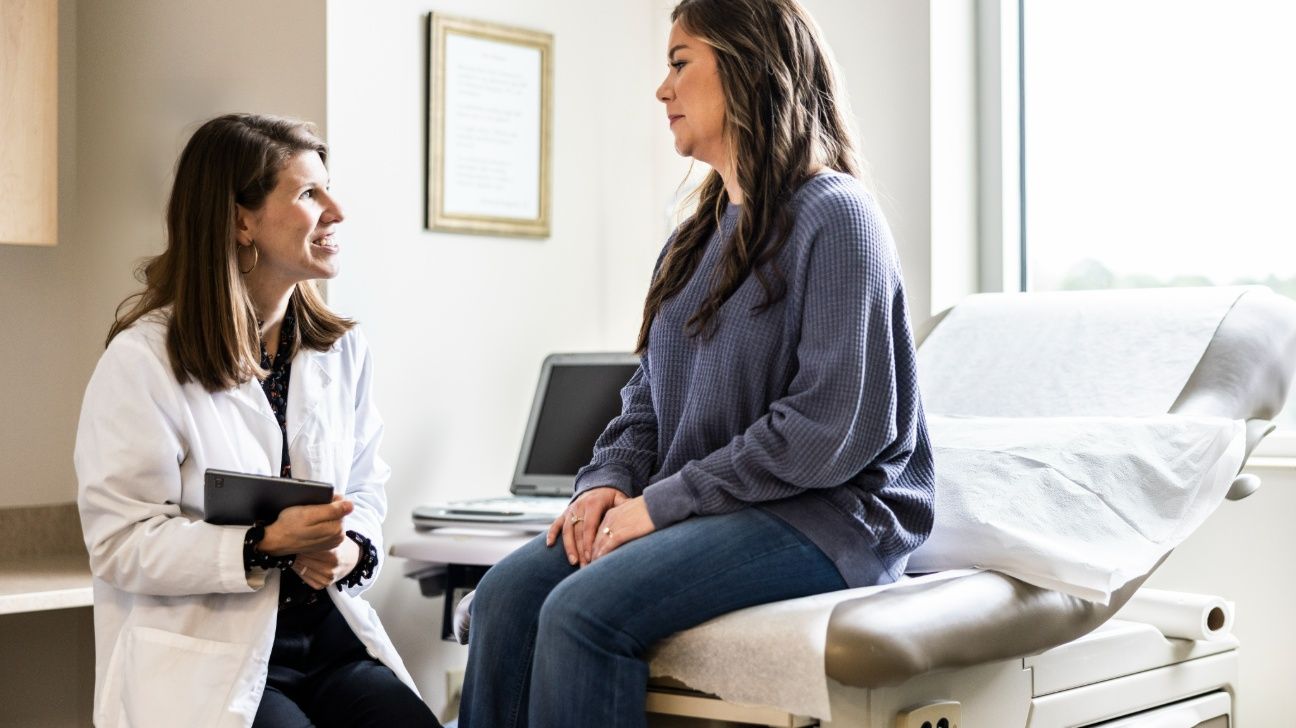
Why it mattersA tripling of unscreened women in their 20s since 2005 signals a potential public health risk, and the disparities suggest systemic barriers that could be addressed to prevent late-stage diagnoses.
According to recent research, nearly 32% of females in their 20s have never had a cervical screening. MoMo Productions · DigitalVision/Getty Recent research fou…
By Chella·19h ago