Thursday, July 9, 2026
NewsezeNews with Rewards · Earn while you read
+5 credits / query
local

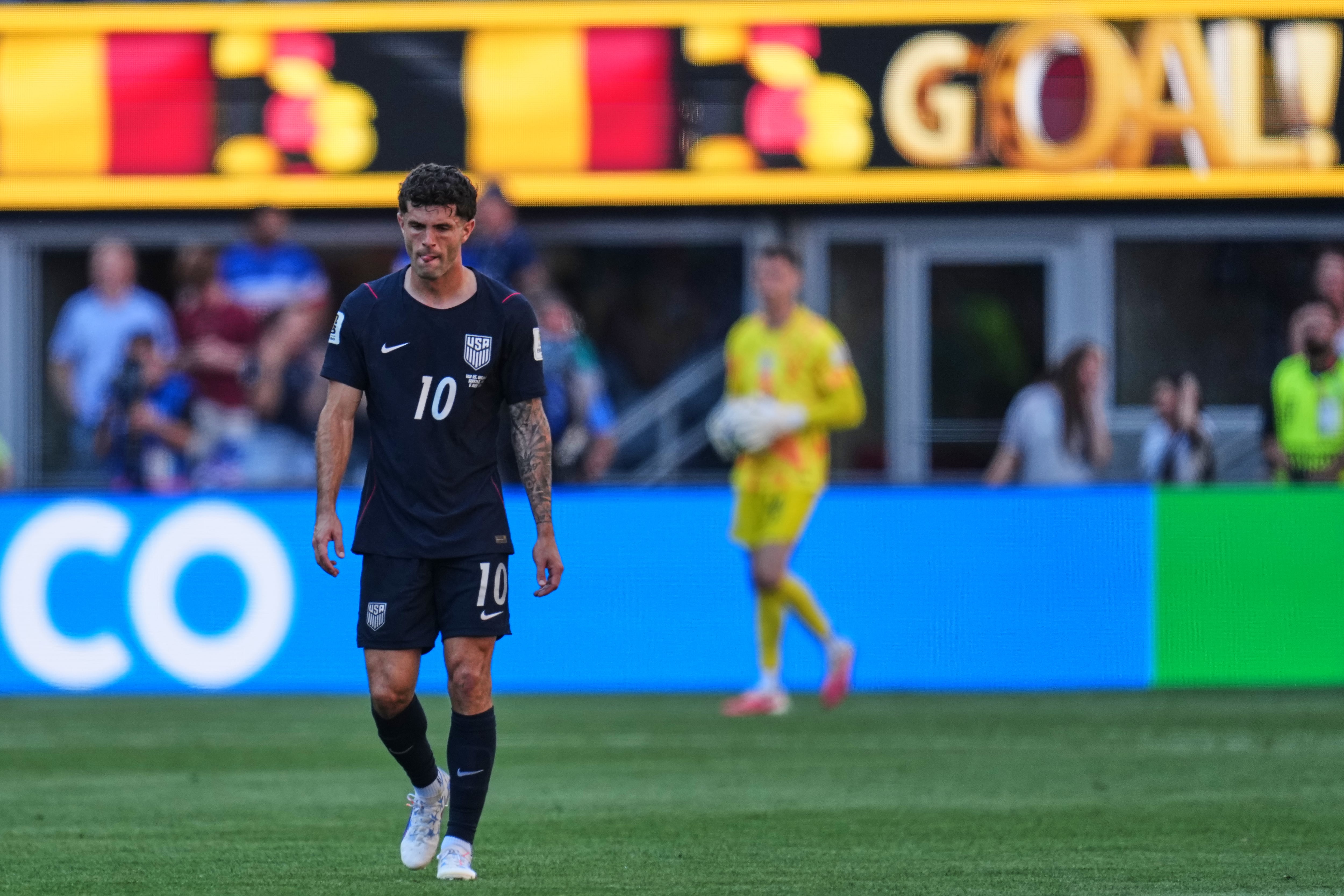
Same old story: US men's soccer team has been stagnant for quarter century
Newseze Wire·Tue, Jul 7, 11:14 PMWire: Philadelphia Inquirer
Open original source Read full story (in-site)
Same old story: US men's soccer team has been stagnant for quarter century

The U.S. men's national soccer team remains stagnant despite growth in American soccer

Sourcing & attribution. Newseze provides AI-curated summaries, narrative framing, and editorial analysis. The underlying reporting was contributed by Philadelphia Inquirer; tap “Open original source” above to read their full reporting and support the contributing newsroom directly.

Newseze Analysis427 words · original commentary
# American Soccer's Paradox: Growth at the Grassroots, Stagnation at the Summit The United States men's national soccer team faces a curious problem: the sport has never been more popular or professionally robust in America, yet the national team's competitive performance has plateaued for roughly 25 years. While youth soccer participation has surged, college programs have professionalized, and Major League Soccer now operates as a legitimate sports property with billion-dollar franchises, the USMNT continues to underperform relative to its resources and demographic advantages. This contradiction suggests that participation rates and infrastructure alone cannot guarantee elite international competitiveness—and that systemic issues may run deeper than simple neglect. The stagnation becomes more striking when viewed alongside demographic realities. The United States possesses a population exceeding 330 million and extraordinary wealth, yet regularly fails to advance past group stages in major tournaments or compete meaningfully against established soccer nations. Meanwhile, countries with smaller populations and less developed soccer academies consistently outperform American teams. Part of the explanation lies in structural differences: soccer remains a secondary sport culturally in the U.S., where football, basketball, and baseball still command elite athletic talent and primary media attention. The most physically gifted American athletes historically pursue these established sports, where professional pathways and earning potential are clearer. Additionally, American soccer development has long suffered from fragmentation—club systems, youth academy structures, and coaching methodologies have lacked the coordinated, long-term planning that smaller nations with soccer-first cultures have maintained for decades. The coaching pipeline, player development continuity, and tactical sophistication required to compete at soccer's highest level demand different organizational priorities than domestic league success alone provides. Evidence of this stagnation is straightforward: the USMNT's tournament records, qualification patterns, and head-to-head results against peer nations tell the story plainly. The team has failed to generate sustained periods of competitive excellence comparable to its soccer infrastructure investments. What distinguishes this from typical sports underperformance is the gap between potential and outcome—suggesting the problem is strategic and structural rather than attributable to simple resource constraints. **Worth knowing:** The American soccer ecosystem faces a distinctive test case in the coming years. With the USMNT's 2026 World Cup co-hosting opportunity and increased investment in player development, measurable improvement should become identifiable. Success will depend less on expanding the youth pyramid further and more on whether American soccer can implement the selective, rigorous talent filtering and long-term player development programs that perennially competitive nations have perfected. If stagnation persists despite unprecedented structural advantages, it will suggest deeper cultural or organizational barriers to elite performance in America's soccer landscape. Reporting: Philadelphia Inquirer.

Across the aisle

Same story · other lanes

Here's how the same story is being covered by outlets in other lanes. Read both — Newseze doesn't pick a side.

All lanes still pass Newseze's calm filters (no drama, no conspiracy, respect baseline).
Ask Us · Any Story, Any AnswerBe the first to ask

Newseze's algorithm reads the story and answers your question — calmly, factually, with source attribution. No comments, no flame wars — just answers.

No questions yet. Be the first.

Answers reflect Newseze's editorial framework applied under fair use (17 U.S.C. § 107). Not financial, legal, medical, or tax advice. Hate speech and racial slurs are blocked.

Related stories