Friday, June 26, 2026
NewsezeNews with Rewards · Earn while you read
+5 credits / query
markets

Plastics Shortages to Keep Food Prices High After War Disruptions
Newseze Wire·Wed, Jun 24, 10:05 PMWire: Bloomberg Markets
Open original source Read full story (in-site)
Plastics Shortages to Keep Food Prices High After War Disruptions

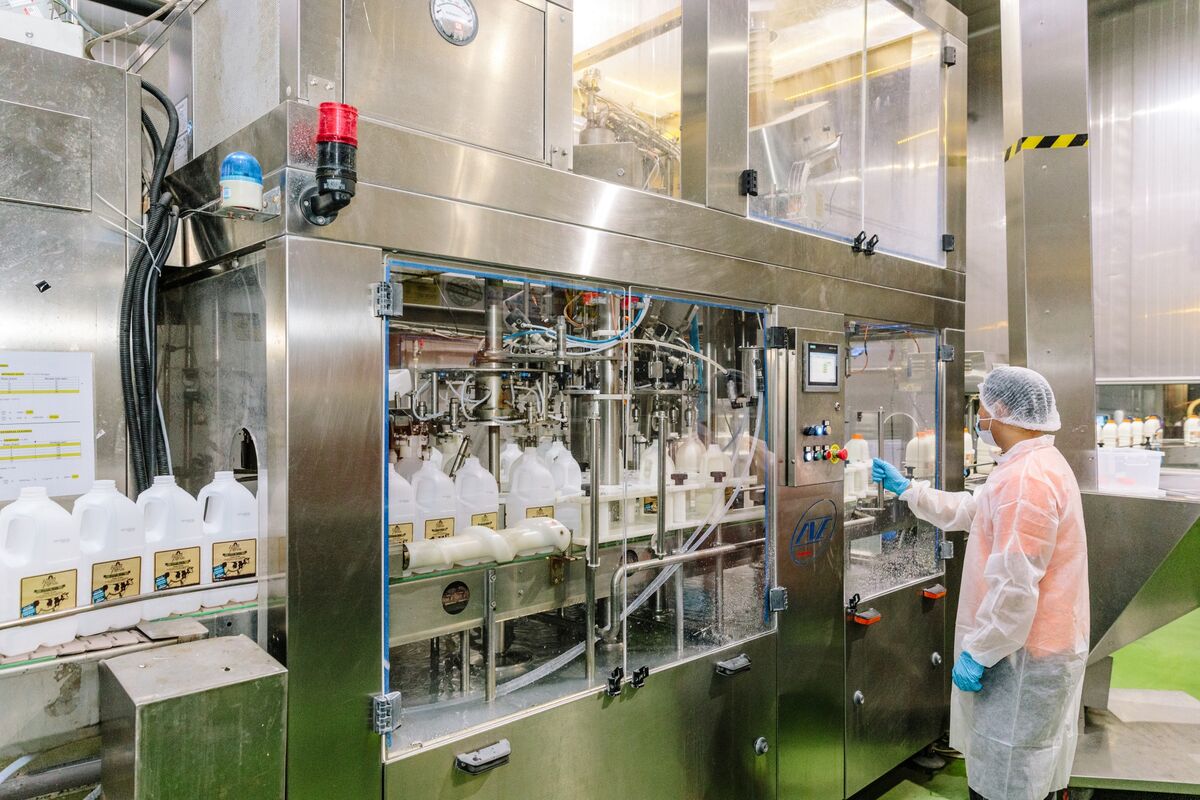
Asian consumers will be facing higher grocery bills for months thanks to costly packaging stemming from the Iran war, which created severe shortages of plastics needed to get food from farms to market.

Sourcing & attribution. Newseze provides AI-curated summaries, narrative framing, and editorial analysis. The underlying reporting was contributed by Bloomberg Markets; tap “Open original source” above to read their full reporting and support the contributing newsroom directly.

Newseze Analysis426 words · original commentary
# Packaging Crunch: How Middle East Conflict Reshapes Grocery Costs Across Asia The war in Iran has created an unexpected pinch on kitchen budgets thousands of miles away. Severe shortages in plastic packaging materials—triggered by regional conflict disrupting petrochemical supply chains—are now flowing through to Asian consumers in the form of elevated food prices. What began as a geopolitical event is materializing as a tangible cost-of-living pressure for ordinary families shopping for groceries, with relief unlikely before late 2025 at the earliest. The mechanism here is straightforward but often overlooked: modern food distribution depends entirely on reliable plastic packaging. Without adequate supplies of films, containers, and protective wrapping, fresh produce spoils in transit, processed foods cannot reach shelves safely, and cold chains collapse. When Iran-based petrochemical facilities and shipping routes face disruption, the ripple effects extend far beyond regional markets. Major Asian food supply chains, which depend on just-in-time logistics and lean inventory systems, lack buffers to absorb these shortages. The result is that packaging costs—normally a modest line item—have spiked dramatically, and food producers and retailers have little choice but to pass those costs to consumers. Evidence of this pressure is appearing across multiple Asian markets, particularly in Japan, Southeast Asia, and South Korea, where grocery inflation is increasingly attributed to packaging-related expenses rather than raw commodity prices alone. What makes this situation noteworthy is that it illustrates how tightly integrated global supply chains have become, and how political instability in one region can create measurable economic pain elsewhere without any direct trade relationship. It also highlights an asymmetry in modern supply-chain risk: while corporations can theoretically diversify sourcing, the speed and scale of disruption often outpaces adjustment capacity. Some packaging manufacturers are exploring alternative materials or increasing production capacity in other regions, but these solutions take months to implement and often carry their own cost premiums during transitions. The distribution of impact is uneven. Wealthier consumers can absorb moderate grocery cost increases; lower-income households face tighter budgetary constraints and may reduce food purchases or shift toward less nutritious options. Food importers and retailers with strong margins can absorb some costs; smaller grocers and local distributors have less flexibility. **Worth knowing:** This episode underscores a recurring blind spot in supply-chain resilience planning. Industries focus extensively on labor, tariffs, and logistics cost, but relatively little on the secondary materials—especially plastics derived from petrochemicals—that make modern food distribution possible. As geopolitical volatility persists, expect continued pressure on food affordability in Asia and growing discussion among policymakers about strategic packaging reserves or diversified sourcing mandates. Reporting: Bloomberg Markets.
Ask Us · Any Story, Any AnswerBe the first to ask

Newseze's algorithm reads the story and answers your question — calmly, factually, with source attribution. No comments, no flame wars — just answers.

No questions yet. Be the first.

Answers reflect Newseze's editorial framework applied under fair use (17 U.S.C. § 107). Not financial, legal, medical, or tax advice. Hate speech and racial slurs are blocked.

Related stories

'Chinamaxxing' bets at Mobile World Congress Shanghai
MARKETSTrending Righttrust 75
'Chinamaxxing' bets at Mobile World Congress Shanghai

Why it mattersA lot of mobile and consumer brands at the Mobile World Congress in Shanghai are taking advantage of the "Chinamaxxing" trend of targeting younger consumers abroad. Bloomberg's Chief North Asia correspondent Stephen Engl…

A lot of mobile and consumer brands at the Mobile World Congress in Shanghai are taking advantage of the "Chinamaxxing" trend of targeting younger consumers abr…

MichaelBy Michael·1h ago
WireBloomberg Markets
Full Analysis Comment PostRead →