Sunday, June 21, 2026
NewsezeNews with Rewards · Earn while you read
+5 credits / query
local

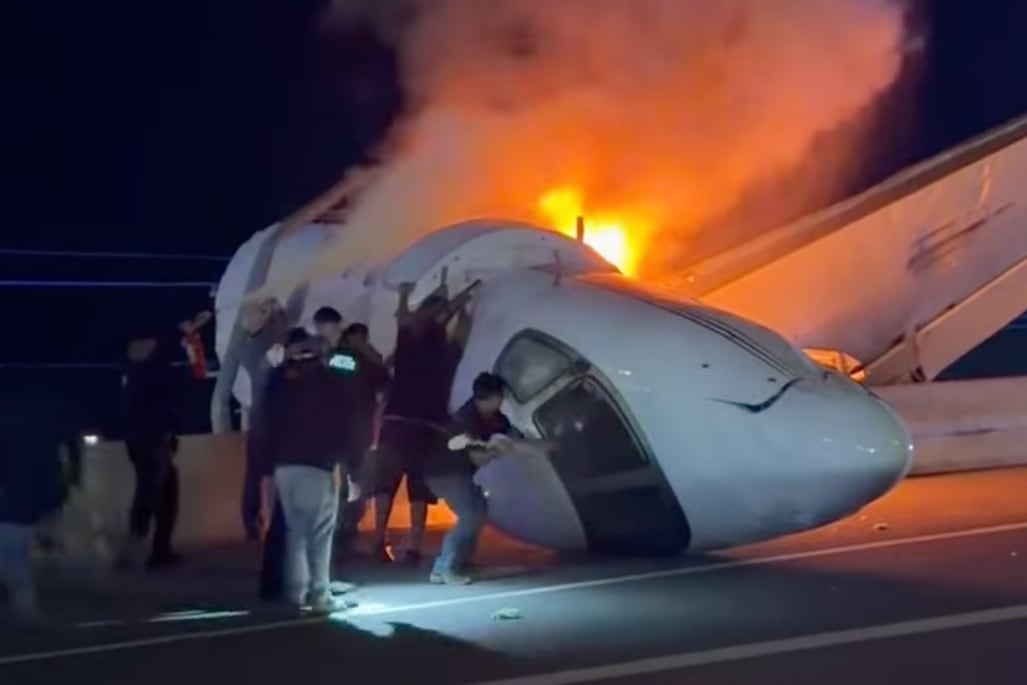
With a sledgehammer and a shovel, volunteers raced to save passengers in Texas plane crash
Newseze Wire·Thu, Jun 18, 11:17 PMWire: Philadelphia Inquirer
Open original source Read full story (in-site)
With a sledgehammer and a shovel, volunteers raced to save passengers in Texas plane crash

Several motorists who happened across a fiery plane crash on a Texas highway rushed to help — putting their own lives in danger to help those on board escape

Sourcing & attribution. Newseze provides AI-curated summaries, narrative framing, and editorial analysis. The underlying reporting was contributed by Philadelphia Inquirer; tap “Open original source” above to read their full reporting and support the contributing newsroom directly.

Newseze Analysis424 words · original commentary
# Civilian Rescue at Texas Crash Shows Both Heroism and Emergency Response Gaps A group of motorists encountered a burning aircraft on a Texas highway and immediately made the choice to intervene, using basic tools and their own hands to help trapped passengers escape before emergency crews arrived. The volunteers, armed with limited equipment like a sledgehammer and shovel, worked against both the fire and time—a stark reminder of how civilian action can prove decisive in catastrophic situations where minutes matter. The incident underscores an uncomfortable reality about emergency response in rural and semi-rural areas: trained first responders, however capable, cannot always be present within the critical window where life-saving intervention is possible. Random motorists becoming the first effective responders is either a success story or a cautionary tale, depending on perspective. On one hand, these volunteers demonstrated the kind of civic courage and quick thinking that saves lives when systems fail or circumstances prevent rapid official response. They accepted genuine danger—burning fuel and structural collapse are serious hazards—to help strangers. On the other hand, the fact that untrained civilians with hand tools became the primary rescue force suggests questions about emergency preparedness, highway monitoring, or response coordination in that area. The evidence here is straightforward: people acted, and it appears lives were saved as a result. What remains less clear is whether better infrastructure, communication systems, or positioned emergency assets could have reduced the window during which untrained motorists bore the rescue burden. This scenario also highlights the unpredictability of disaster. No amount of planning guarantees that trained responders will be seconds away when tragedy strikes on an isolated stretch of highway. The motorists who stopped could have continued driving. The fact that they didn't speaks to something difficult to mandate or train—the choice to see an emergency as yours to address, not someone else's problem. Their sledgehammer and shovel, crude as they were, became the difference between a manageable situation and a potential mass casualty event. The broader question worth considering is structural rather than personal: Are rural and highway corridors adequately equipped with emergency resources, communication redundancy, and pre-positioned equipment? Are drivers trained in basic emergency response? Should there be mandatory safety protocols for high-speed corridors that might speed official response? These questions don't diminish the volunteers' actions—they extend from them. **Worth knowing:** Citizen intervention in emergencies reflects both American civic responsibility and potential gaps in emergency infrastructure. The outcome was positive here, but relying on chance encounters with good Samaritans isn't a sustainable approach to public safety. Reporting: Philadelphia Inquirer.
Ask Us · Any Story, Any AnswerBe the first to ask

Newseze's algorithm reads the story and answers your question — calmly, factually, with source attribution. No comments, no flame wars — just answers.

No questions yet. Be the first.

Answers reflect Newseze's editorial framework applied under fair use (17 U.S.C. § 107). Not financial, legal, medical, or tax advice. Hate speech and racial slurs are blocked.

Related stories
Oklahoma One Win From Title After Routing North Carolina in CWS Finals Game 1
LOCALtrust 100
Oklahoma One Win From Title After Routing North Carolina in CWS Finals Game 1

Why it mattersOklahoma's dominant 9-3 victory puts the program one win away from a national championship, with the series now shifting to Game 2 where North Carolina must avoid elimination.

Deiten Lachance homered twice off North Carolina ace Jason DeCaro, Oklahoma shut down the Tar Heels after the first inning and the Sooners won Game 1 of the Col…

ChellaBy Chella·7h ago
WirePhiladelphia Inquirer
Full Analysis Comment PostRead →