Thursday, June 18, 2026
NewsezeNews with Rewards · Earn while you read
+5 credits / query
local

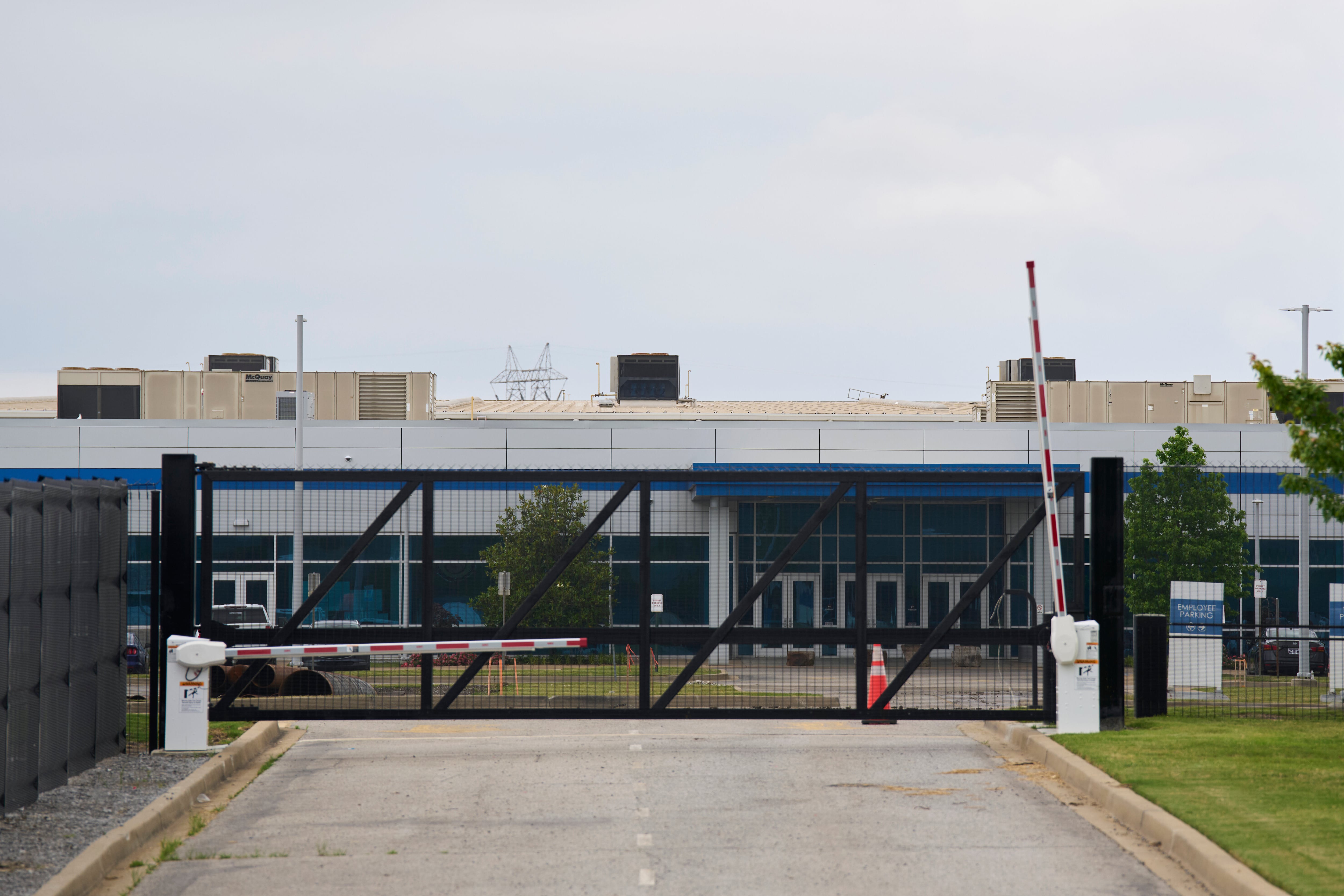
In boost to Musk, Justice Department seeks to dismiss air pollution lawsuit against xAI data center
Newseze Wire·Tue, Jun 16, 11:26 PMWire: Philadelphia Inquirer
Open original source Read full story (in-site)
In boost to Musk, Justice Department seeks to dismiss air pollution lawsuit against xAI data center

The Trump administration is helping one of Elon Musk’s companies fight a civil rights lawsuit that alleges it is illegally running dozens of natural gas turbines to power a $20 billion data center in Mississippi

Sourcing & attribution. Newseze provides AI-curated summaries, narrative framing, and editorial analysis. The underlying reporting was contributed by Philadelphia Inquirer; tap “Open original source” above to read their full reporting and support the contributing newsroom directly.

Newseze Analysis424 words · original commentary
# Justice Department Moves to Dismiss Pollution Lawsuit Against Musk's xAI Data Center The Trump administration has signaled support for Elon Musk's artificial intelligence company by filing a motion to dismiss an air pollution lawsuit targeting xAI's Mississippi data center operations. The facility, which represents a $20 billion investment in computing infrastructure, has faced legal challenges centered on the operation of multiple natural gas turbines allegedly running without proper environmental permitting. The case touches on broader tensions between accelerating AI development, energy demands of modern computing, and environmental compliance procedures that typically require lengthy approval processes. The Justice Department's intervention reflects the current administration's prioritization of removing regulatory obstacles to major infrastructure projects and technological advancement. The lawsuit alleges civil rights violations tied to air quality impacts on surrounding communities, a framework that typically involves EPA jurisdiction and environmental justice considerations. By seeking dismissal rather than defending the facility's operational practices directly, federal authorities are essentially arguing that the litigation lacks legal standing or jurisdiction—a procedural approach that would prevent examination of the underlying pollution allegations on their merits. This strategy benefits Musk's enterprise by potentially avoiding protracted litigation and the discovery process that might yield damaging documentation. For proponents of rapid AI development, the move reflects a view that computing infrastructure essential to American competitiveness should not be delayed by environmental litigation; for critics, it suggests regulatory capture and unequal enforcement of environmental law based on political connections. The evidence quality of the underlying lawsuit remains unclear from available reporting, though civil rights frameworks for environmental claims typically require showing both environmental harm and disparate impact on protected populations. The xAI facility's $20 billion scale places it among the largest computing investments outside major tech companies, underscoring genuine infrastructure stakes in the AI economy. However, the procedural approach—seeking dismissal before examining facts—deliberately sidesteps public scrutiny of how the turbines actually operate and what emissions levels they generate. Natural gas infrastructure for data center power remains common but increasingly controversial as climate concerns intensify, even among right-of-center stakeholders worried about energy reliability and grid stability. **Worth knowing:** This case represents an early test of how the Trump administration will balance its stated commitments to deregulation and technological leadership against longstanding environmental enforcement mechanisms. The outcome may signal whether federal agencies will actively reduce litigation exposure for favored industry players or maintain traditional arms-length postures toward environmental claims. For Mississippi residents near the facility and AI industry observers alike, the decision will provide clarity on the regulatory environment shaping next-generation computing infrastructure. Reporting: Philadelphia Inquirer.

Across the aisle

Same story · other lanes

Here's how the same story is being covered by outlets in other lanes. Read both — Newseze doesn't pick a side.

All lanes still pass Newseze's calm filters (no drama, no conspiracy, respect baseline).
Ask Us · Any Story, Any AnswerBe the first to ask

Newseze's algorithm reads the story and answers your question — calmly, factually, with source attribution. No comments, no flame wars — just answers.

No questions yet. Be the first.

Answers reflect Newseze's editorial framework applied under fair use (17 U.S.C. § 107). Not financial, legal, medical, or tax advice. Hate speech and racial slurs are blocked.

Related stories

Poland pitches permanent U.S. military base; Washington shows interest in bolstering Eastern European presence
LOCALTrending Righttrust 83
Poland pitches permanent U.S. military base; Washington shows interest in bolstering Eastern European presence

Why it mattersA permanent U.S. base in Poland would signal deeper NATO commitment to Eastern Europe amid Russian aggression and reshape the regional military balance that has shifted significantly since 2022.

Poland's deputy defense minister says the U.S. is interested in establishing a permanent military base in Poland

MarcusBy Marcus·8h ago
WirePhiladelphia Inquirer
Full Analysis Comment PostRead →