Bitcoin specialists cast doubt on Adorni's account of wealth surge
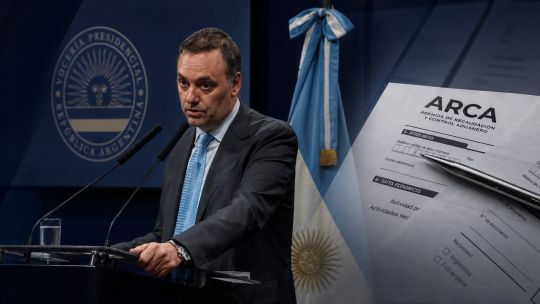
Blockchain specialist and programmer analyse Cabinet Chief Manuel Adorni’s Bitcoin explanation, which he says is responsible for the growth in his assets and wealth; They conclude the facts don’t add up. Leer más
Sourcing & attribution. Newseze provides AI-curated summaries, narrative framing, and editorial analysis. The underlying reporting was contributed by Buenos Aires Herald; tap “Open original source” above to read their full reporting and support the contributing newsroom directly.
Newseze's algorithm reads the story and answers your question — calmly, factually, with source attribution. No comments, no flame wars — just answers.
No questions yet. Be the first.
Answers reflect Newseze's editorial framework applied under fair use (17 U.S.C. § 107). Not financial, legal, medical, or tax advice. Hate speech and racial slurs are blocked.
Related stories
'/> </pattern> </defs> <rect width='1200' height='675' fill='url(%23g)'/> <rect width='1200' height='675' fill='url(%23dots)'/> <rect x='60' y='210' width='6' height='80' fill='%23f5a524'/> <text x='90' y='268' font-size='15' font-weight='900' letter-spacing='5' fill='%23f5a524'>WORLD</text> <g font-family='Inter, Arial, sans-serif'> <text x='60' y='320' font-size='44' font-weight='800' fill='rgba(255,255,255,0.97)' letter-spacing='-0.5'>Taiwan criticises China's 'irrelevant'</text><text x='60' y='376' font-size='44' font-weight='800' fill='rgba(255,255,255,0.97)' letter-spacing='-0.5'>World Cup viewing offer - Reuters</text> <text x='60' y='620' font-size='14' font-weight='700' letter-spacing='3' fill='rgba(255,255,255,0.7)'>REUTERS WORLD · NEWSEZE</text> </g> </svg>)
Why it mattersTaiwan criticises China's 'irrelevant' World Cup viewing offer Reuters
 By Chella·3h ago
Why it mattersIn fiery exchange, judge sentenced him to three life sentences plus 25 years to life on four other charges, all running consecutively.
By Chella·15h ago
Why it mattersBBC News understands the yacht had drifted towards the Admiral Grigorovich, a Russian frigate which has been operating in the Channel.
By Chella·1d ago
Why it mattersThe US vice-president says the agreement is "about a page and a half" and "very general", meaning many details will be worked out later.
By Chella·2d ago