Thursday, July 9, 2026
NewsezeNews with Rewards · Earn while you read
+5 credits / query
government

Rubio plan would allow users to upload passport photos using their phones or computers

Newseze Wire·Tue, Jul 7, 11:09 PMWire: Washington Examiner
Open original source Read full story (in-site)
Rubio plan would allow users to upload passport photos using their phones or computers

Secretary of State Marco Rubio said the State Department is developing a system that would allow Americans to take and upload passport photos from their phones or computers as part of a broader effort to modernize the passport applicatio…

Sourcing & attribution. Newseze provides AI-curated summaries, narrative framing, and editorial analysis. The underlying reporting was contributed by Washington Examiner; tap “Open original source” above to read their full reporting and support the contributing newsroom directly.

Newseze Analysis416 words · original commentary
# Rubio Pursues Digital-First Approach to Passport Photos The State Department under Secretary of State Marco Rubio is moving to streamline passport applications by permitting Americans to photograph themselves and submit those images digitally, rather than requiring in-person photo sessions at authorized facilities. This initiative represents part of a larger modernization agenda aimed at reducing processing bottlenecks and improving customer experience in a system that has faced considerable delays and backlogs in recent years. The shift toward self-submitted digital photography reflects practical recognition of how Americans now handle everyday documentation tasks. Passports remain essential travel documents that carry strict photo specifications—lighting, background color, facial positioning—yet the current process requires visits to dedicated photo vendors or government offices, adding time and cost to an already lengthy application cycle. A system enabling remote photo submission could lower administrative friction while maintaining security standards through digital verification protocols. The timing aligns with broader federal digitization efforts and echoes similar changes adopted by other nations' immigration systems. Implementation details—including facial recognition verification, quality assurance checks, and fraud prevention measures—will determine whether this delivers meaningful efficiency gains or introduces new vulnerabilities. The State Department's track record on technology projects offers mixed signals; while some digital initiatives have succeeded, others have encountered integration challenges or security concerns requiring course correction. The evidence quality here depends on execution specifics not yet detailed in public announcements. Passport photo standards exist for security and identification purposes, not bureaucratic convenience, so any system must maintain those safeguards. The plan's success hinges on whether State Department engineers can validate photo quality and authenticity reliably without human review, or whether the process simply relocates the bottleneck rather than eliminating it. Public statements emphasizing "modernization" don't automatically indicate solutions to genuine challenges—delays in passport processing stem partly from staffing constraints and application volume, issues that digital photo acceptance alone won't resolve. For Americans experiencing current passport delays averaging weeks or months, this potential improvement carries tangible value. Those living far from photo facilities particularly benefit. The policy appears non-controversial—Democrats and Republicans alike should favor reducing unnecessary friction in essential government services. The risk lies in implementation: insufficient quality controls could produce photos failing to meet security standards, requiring resubmission and defeating the purpose of digitization. **Worth knowing:** This initiative fits a broader pattern of State Department modernization under Rubio, though passport system improvements ultimately depend on whether digital efficiency gains translate to faster overall processing times, or merely shift the workflow without addressing underlying capacity constraints. Reporting: Washington Examiner.
Ask Us · Any Story, Any AnswerBe the first to ask

Newseze's algorithm reads the story and answers your question — calmly, factually, with source attribution. No comments, no flame wars — just answers.

No questions yet. Be the first.

Answers reflect Newseze's editorial framework applied under fair use (17 U.S.C. § 107). Not financial, legal, medical, or tax advice. Hate speech and racial slurs are blocked.

Related stories
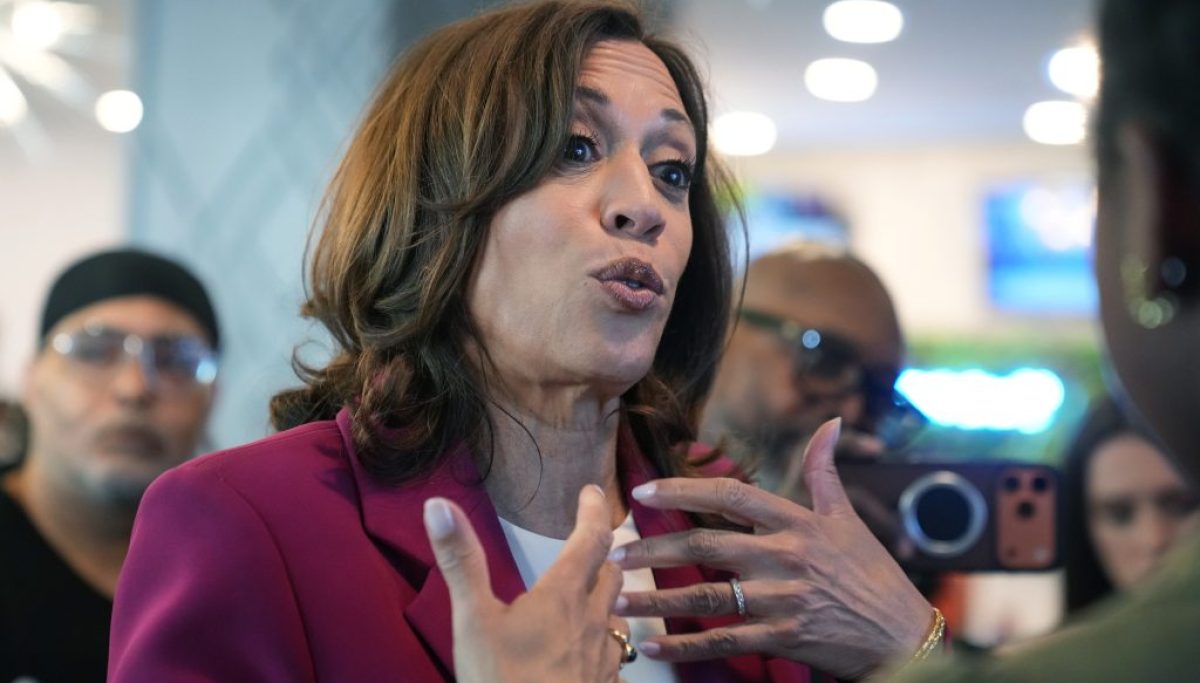
Democrats shy away from a Kamala Harris-style ‘coronation’ in Maine
POLITICSTrending Righttrust 73
Democrats shy away from a Kamala Harris-style ‘coronation’ in Maine

Why it mattersDemocrats are hoping to avoid a repeat of former Vice President Kamala Harris‘s shotgun run for president as they grapple with how to replace Graham Platner, their nominee in Maine‘s marquee Senate race. Platner’s exit f…

Democrats are hoping to avoid a repeat of former Vice President Kamala Harris‘s shotgun run for president as they grapple with how to replace Graham Platner, th…

ChellaBy Chella·4h ago
WireWashington Examiner
Full Analysis Comment PostRead →
Trump demands rehearing after Supreme Court’s ‘insane’ birthright citizenship ruling
POLITICSTrending Righttrust 72
Trump demands rehearing after Supreme Court’s ‘insane’ birthright citizenship ruling

Why it mattersPresident Donald Trump on Wednesday announced his legal team will “immediately” seek a rehearing before the Supreme Court on his efforts to overhaul birthright citizenship after a majority of justices ruled the White Hou…

President Donald Trump on Wednesday announced his legal team will “immediately” seek a rehearing before the Supreme Court on his efforts to overhaul birthright …

ChellaBy Chella·5h ago
WireWashington Examiner
Full Analysis Comment PostRead →