Monday, June 8, 2026
NewsezeNews with Rewards · Earn while you read
+5 credits / query
markets

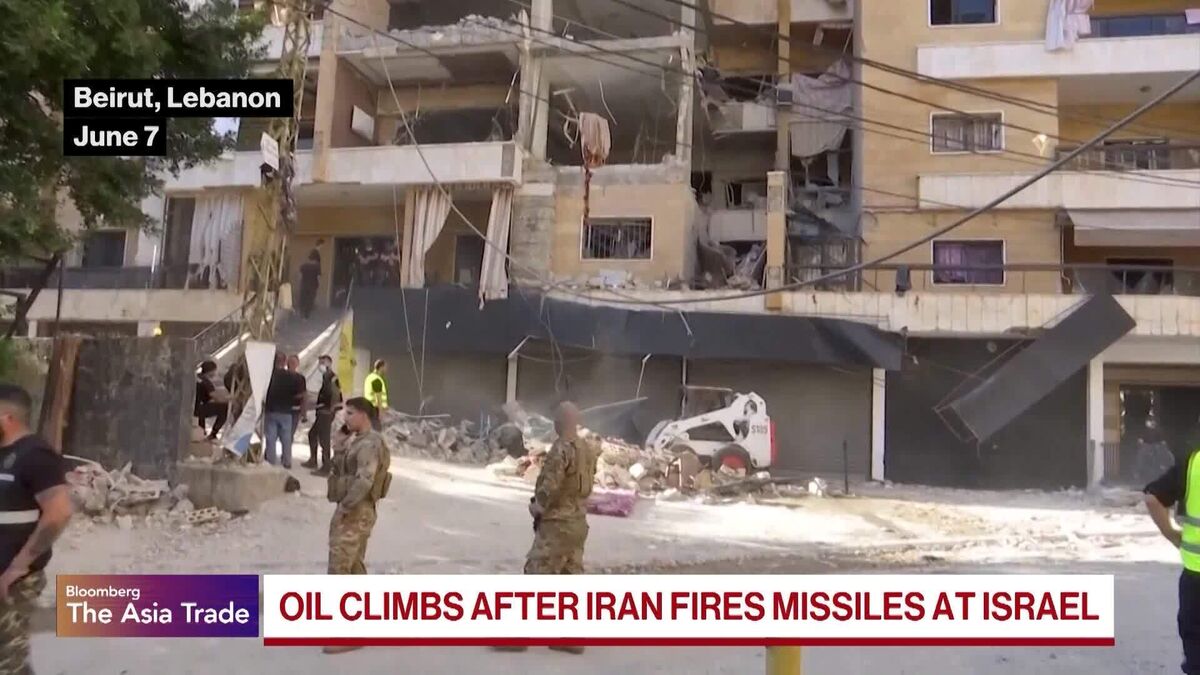
Dow Jones Futures Fall As Trump Says This After Iran Attacks Israel; Market Rally Faces First Real Test

Newseze Wire·Sun, Jun 7, 11:36 PMWire: Yahoo Finance
Open original source Read full story (in-site)
Dow Jones Futures Fall As Trump Says This After Iran Attacks Israel; Market Rally Faces First Real Test

Dow Jones Futures Fall As Trump Says This After Iran Attacks Israel; Market Rally Faces First Real Test

Sourcing & attribution. Newseze provides AI-curated summaries, narrative framing, and editorial analysis. The underlying reporting was contributed by Yahoo Finance; tap “Open original source” above to read their full reporting and support the contributing newsroom directly.

Newseze Analysis416 words · original commentary
# Market Volatility Tests Post-Election Rally as Geopolitical Tensions Resurface The stock market's strong post-election momentum encountered its first significant headwind this week as geopolitical tensions between Iran and Israel escalated, prompting comment from President-elect Trump and triggering futures declines. Dow Jones futures fell in response to the broader uncertainty, signaling investor caution ahead of potential policy responses and further regional developments. The incident underscores how external shocks—particularly those involving energy-producing nations and U.S. strategic interests—can quickly derail market sentiment regardless of domestic economic conditions. The market rally following the November election had been built on expectations of business-friendly policies, including potential tax cuts, deregulation, and infrastructure investment. Those fundamentals remain largely intact, but the Iran-Israel flare-up illustrates that equity markets operate within a complex geopolitical context. When military escalation appears possible in the Middle East, investors worry about oil price spikes, defense spending uncertainty, and broader economic disruption. Trump's statements on the matter carry particular weight given his incoming presidential authority over military and diplomatic responses. Markets are essentially pricing in multiple scenarios—from de-escalation to deeper involvement—while awaiting clearer policy signals. Historical precedent suggests such tensions typically produce short-term volatility rather than sustained bear markets, assuming military action remains limited. The quality of information available to investors remains constrained by real-time events still unfolding. Futures markets are sensitive instruments that react to headlines faster than fundamental conditions change, sometimes creating overreactions that get corrected within hours or days. What matters more for longer-term investors is whether the underlying business environment—corporate earnings potential, interest rate trajectory, regulatory outlook—shifts materially. So far, there's limited evidence that a single geopolitical incident will derail the structural factors that drove the post-election rally: earnings growth prospects, potential fiscal stimulus, and easing inflation concerns. The market's reaction is rational caution, not capitulation. The broader lesson is that investor portfolios built around single narratives—whether optimism about pro-business policies or pessimism about international conflict—face periodic tests. Diversification across asset classes and geographic exposure remains prudent for this reason. The current moment also highlights why clear, consistent communication from incoming leadership matters; ambiguity about military posture or diplomatic intentions tends to amplify market swings. **Worth knowing:** Geopolitical shocks rarely alter long-term market trajectories unless they trigger fundamental economic shifts (severe recessions, energy embargoes, major policy reversals). This week's futures decline likely reflects normal market functioning—price discovery under uncertainty—rather than a signal that the election-driven rally has broken down. Investors should monitor both regional developments and domestic policy implementation in coming weeks. Reporting: Yahoo Finance.

Across the aisle

Same story · other lanes

Here's how the same story is being covered by outlets in other lanes. Read both — Newseze doesn't pick a side.

All lanes still pass Newseze's calm filters (no drama, no conspiracy, respect baseline).
Reader CommentsBe the first reader · Subscribe to join

No comments yet. Be the first.

Related stories

Iran Launches Missile Strikes as Trump Seeks to Stabilize Fragile Ceasefire
MARKETSTrending Righttrust 77
Iran Launches Missile Strikes as Trump Seeks to Stabilize Fragile Ceasefire

Why it mattersA direct Iranian military action threatens to unravel months of diplomatic efforts and raises immediate questions about whether the administration's ceasefire strategy can survive sustained regional hostilities.

Iran fired several rounds of missiles toward Israel, as President Donald Trump pushed to preserve a faltering ceasefire in the US’s 100-day conflict with Tehran…

MarcusBy Marcus·1h ago
WireBloomberg Markets
The Knicks Lead The Spurs 2-0
MARKETSTrending Righttrust 78
The Knicks Lead The Spurs 2-0

Why it mattersThe NBA Finals features two of the most marketable teams in the league. On one side of the finals matchup, the New York Knicks have their ties to NYC, the iconic MSG, and their legacy as one of the original NBA franchise…

The NBA Finals features two of the most marketable teams in the league. On one side of the finals matchup, the New York Knicks have their ties to NYC, the iconi…

MichaelBy Michael·13h ago
WireBloomberg Markets
JetBlue CEO Opens Door to Airline Consolidation, Signals Strategic Flexibility
MARKETStrust 79
JetBlue CEO Opens Door to Airline Consolidation, Signals Strategic Flexibility

Why it mattersAs antitrust scrutiny intensifies across the aviation industry, JetBlue's willingness to consider mergers signals shifting market dynamics and potential paths to industry consolidation that could reshape competition and …

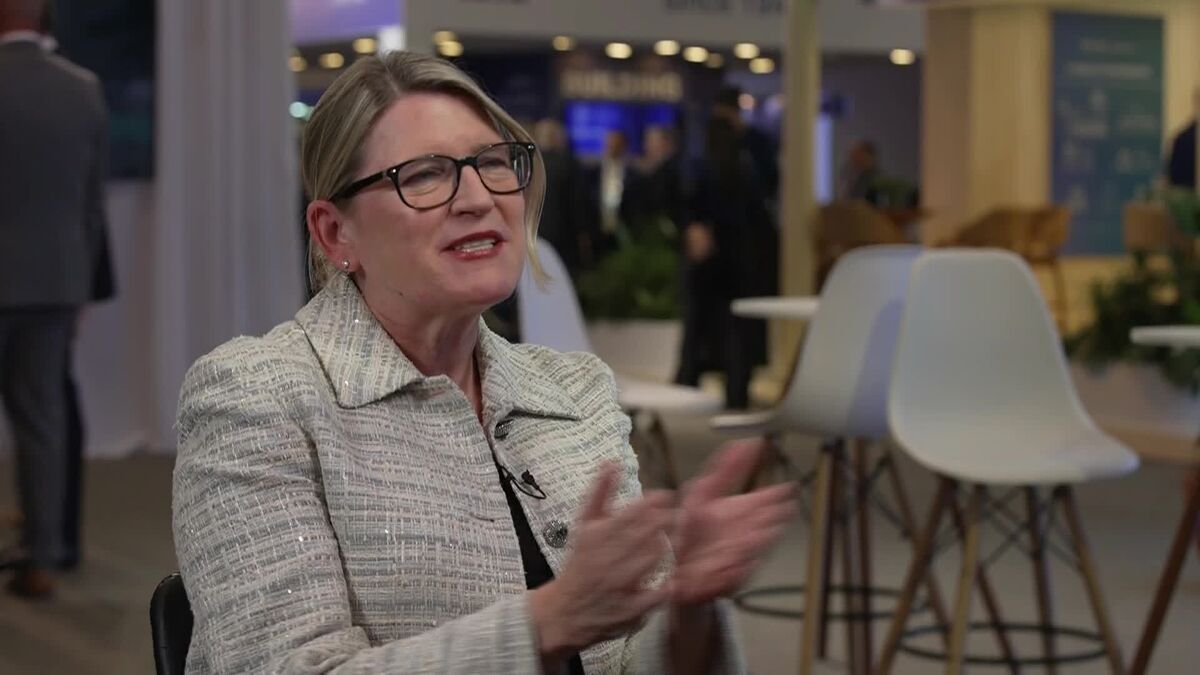
JetBlue CEO Joanna Geraghty speaks at the International Air Transport Association (IATA) saying "never say never" on potential consolidation. (Source: Bloomberg…

MichaelBy Michael·1d ago
WireBloomberg Markets
Delta Expands Middle East Routes as Premium Travel Demand Surges
MARKETStrust 78
Delta Expands Middle East Routes as Premium Travel Demand Surges

Why it mattersDelta's strategic push into Gulf markets reflects post-pandemic recovery in high-margin international travel and signals competitive positioning in the lucrative premium segment.

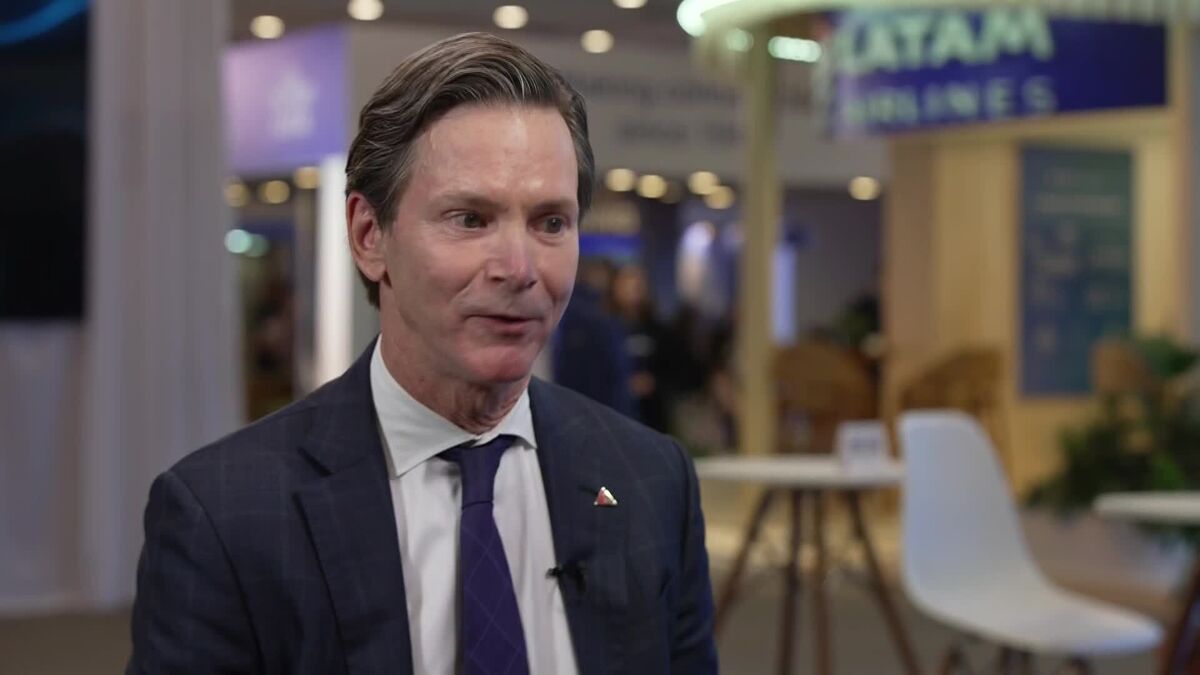
Delta Airlines President Peter Carter speaks at the International Air Transport Association (IATA) on Middle East, Rhiad flights and premium travel. (Source: Bl…

MichaelBy Michael·1d ago
WireBloomberg Markets