Sunday, June 21, 2026
NewsezeNews with Rewards · Earn while you read
+5 credits / query
world

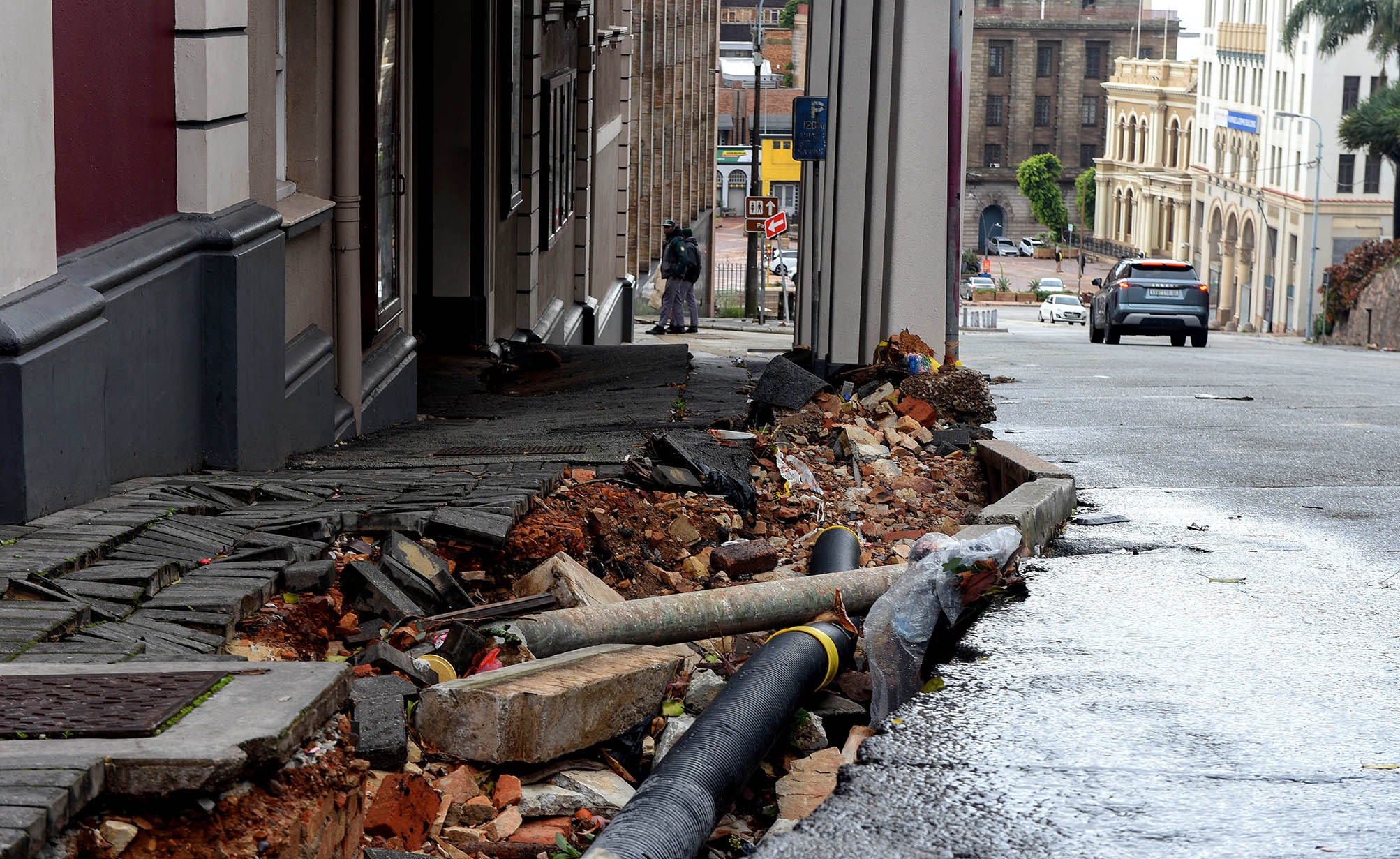
WATER CRISIS: Nelson Mandela Bay’s water crisis compounded by dysfunctional metro’s service and communication breakdowns
Newseze Wire·Thu, Jun 18, 11:09 PMWire: Daily Maverick
Open original source Read full story (in-site)
WATER CRISIS: Nelson Mandela Bay’s water crisis compounded by dysfunctional metro’s service and communication breakdowns

The water crisis in Nelson Mandela Bay worsens as treatment plants struggle, reservoirs drain and residents, contending with ongoing outages, voice growing frustrations.

Sourcing & attribution. Newseze provides AI-curated summaries, narrative framing, and editorial analysis. The underlying reporting was contributed by Daily Maverick; tap “Open original source” above to read their full reporting and support the contributing newsroom directly.

Newseze Analysis417 words · original commentary
# When Infrastructure and Communication Both Fail: Nelson Mandela Bay's Deepening Water Crisis Nelson Mandela Bay, South Africa's third-largest metropolitan area, faces a compounding crisis that extends beyond pipes and pumps. The region's water system has deteriorated to a point where treatment plants operate below capacity, reservoirs decline faster than replenishment cycles allow, and residents endure rotational outages with minimal advance notice. What distinguishes this failure is not merely the scarcity itself—a challenge many regions face—but the apparent breakdown in institutional communication and basic municipal coordination that might otherwise soften the impact on daily life. The mechanics of the crisis reveal systemic dysfunction at multiple levels. Treatment facilities struggle with operational capacity, suggesting either aging infrastructure, insufficient maintenance, or staffing challenges that haven't been adequately addressed. Simultaneously, reservoir depletion indicates demand outpaces supply consistently, a gap that should trigger long-term planning interventions years before acute shortages emerge. The layered nature of these failures suggests this didn't develop overnight; it represents accumulated neglect. For residents, the practical consequence is profound: unpredictable access to a basic utility forces households to maintain expensive backup systems, disrupts business operations, and strains public health efforts. The frustration residents express isn't merely about scarcity—it's about feeling unmanaged and uninformed by institutions ostensibly responsible for their welfare. The communication breakdown is perhaps the more damaging element. When metropolitan authorities fail to provide clear, timely information about outage schedules, water quality advisories, or restoration timelines, they compound the inconvenience with uncertainty. This gap between what residents need to know and what they actually receive erodes public confidence faster than the shortage itself. It signals either institutional incapacity or indifference, neither of which builds social cohesion during shared crises. Evidence of this disconnect appears in the reported frustration levels—residents don't simply cope with hardship; they feel abandoned by the systems meant to serve them. The broader implication extends beyond Nelson Mandela Bay. This scenario illustrates how infrastructure failures rarely stem from single causes. Physical asset deterioration combines with organizational dysfunction, staffing challenges, and communication gaps to create cascading effects. Addressing the water shortage requires simultaneous action on treatment capacity, supply management, and transparent public engagement—a coordination challenge that may exceed the current metro's institutional capacity. **Worth knowing:** Cities experiencing infrastructure crises often face a critical window where adequate investment and transparent communication can restore public trust and stabilize systems. The longer these communication gaps persist, the harder recovery becomes—not because the pipes can't be fixed, but because residents stop believing they will be. Reporting: Daily Maverick.
Ask Us · Any Story, Any AnswerBe the first to ask

Newseze's algorithm reads the story and answers your question — calmly, factually, with source attribution. No comments, no flame wars — just answers.

No questions yet. Be the first.

Answers reflect Newseze's editorial framework applied under fair use (17 U.S.C. § 107). Not financial, legal, medical, or tax advice. Hate speech and racial slurs are blocked.

Related stories