Trump administration asks Supreme Court to intervene to allow mail-in voting restrictions

A federal appeals court on Saturday kept the restrictions blocked in 23 states that sued, finding states must prepare for potentially disruptive election changes.
Sourcing & attribution. Newseze provides AI-curated summaries, narrative framing, and editorial analysis. The underlying reporting was contributed by CNBC Top News; tap “Open original source” above to read their full reporting and support the contributing newsroom directly.
Across the aisle
Same story · other lanesHere's how the same story is being covered by outlets in other lanes. Read both — Newseze doesn't pick a side.
Newseze's algorithm reads the story and answers your question — calmly, factually, with source attribution. No comments, no flame wars — just answers.
No questions yet. Be the first.
Answers reflect Newseze's editorial framework applied under fair use (17 U.S.C. § 107). Not financial, legal, medical, or tax advice. Hate speech and racial slurs are blocked.
Related stories
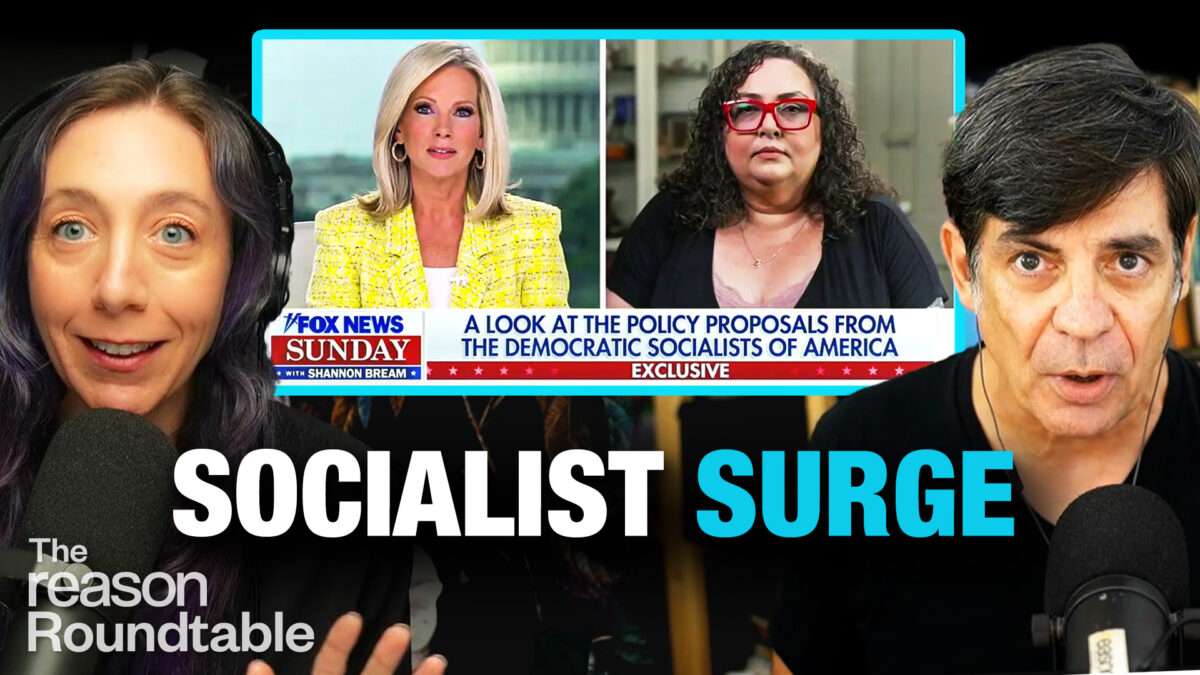
Why it mattersKatherine Mangu-Ward appears on the left. Nick Gillespie appears on the right.
Katherine Mangu-Ward appears on the left. Nick Gillespie appears on the right. An image of Shannon Bream interviewing DSA co-chair Megan Romer on Fox News Sunda…
 By Michael·1h ago
Why it mattersEnergy markets are pricing in reduced geopolitical risk if both Iran and the U.S. sustain a mutual de-escalation, which affects gas prices and inflation dynamics for American consumers and businesses.
Oil prices fell after Iran reportedly said it would suspend attacks as long as a U.S. pause in hostilities remains in place.
By Michael·22h ago
Why it matters/27/1929: The Geneva Conventions are signed by United States. The Supreme Court would consider the Conventions in Hamdan v.
/27/1929: The Geneva Conventions are signed by United States. The Supreme Court would consider the Conventions in Hamdan v. Rumsfeld (2006).… The post Tod…
By Michael·11h ago
Why it mattersMcConnell's office shared a written statement from the senator apologizing for being unable to attend an annual Kentucky picnic and a physician's assessment.
By Michael·5h ago