Sunday, June 21, 2026
NewsezeNews with Rewards · Earn while you read
+5 credits / query
government

Trump’s Iran agreement and the Middle East’s unthinkable next step
Newseze Wire·Thu, Jun 18, 10:09 PMWire: Washington Examiner
Open original source Read full story (in-site)
Trump’s Iran agreement and the Middle East’s unthinkable next step

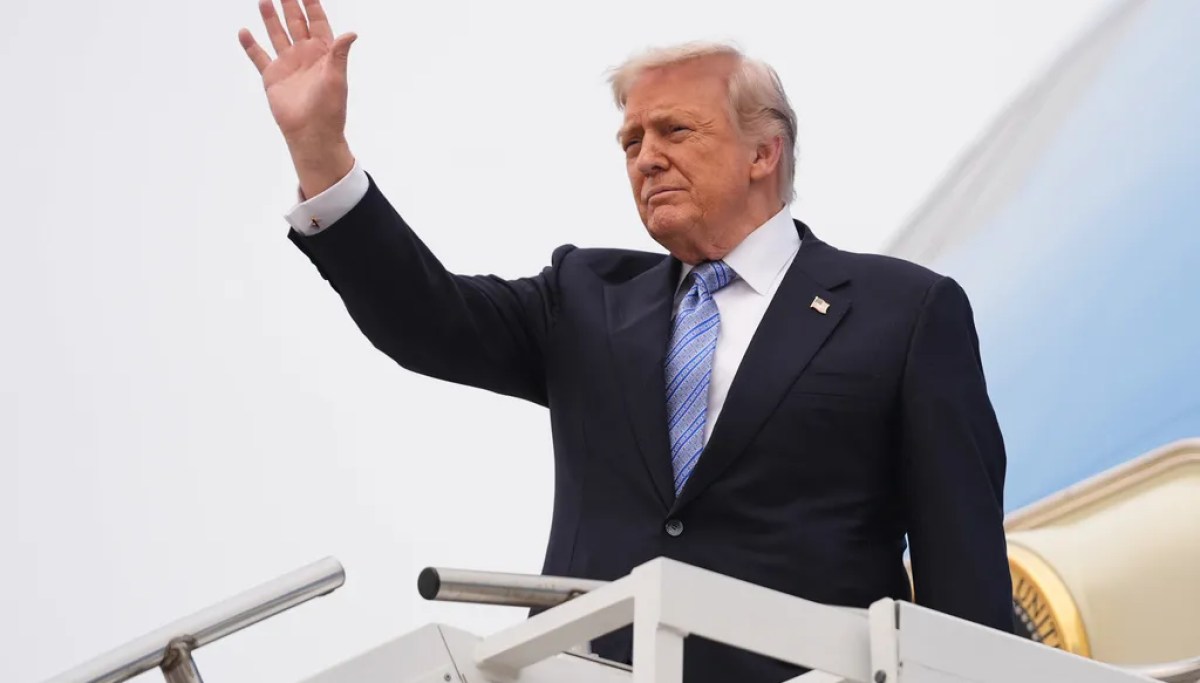
President Donald Trump has secured a framework agreement with Iran and is presenting it as a historic peace breakthrough. Supporters hail it as a major diplomatic achievement that reduces tensions, lowers the risk of war, and opens new c…

Sourcing & attribution. Newseze provides AI-curated summaries, narrative framing, and editorial analysis. The underlying reporting was contributed by Washington Examiner; tap “Open original source” above to read their full reporting and support the contributing newsroom directly.

Newseze Analysis427 words · original commentary
# Trump's Iran Framework: What the Middle East Deal Actually Changes President Trump has announced a framework agreement with Iran, framed as a historic diplomatic breakthrough that reduces regional tension and lowers the prospect of direct military conflict. The administration positions this accord as evidence that direct engagement and credible deterrence can succeed where the previous Iran nuclear deal (JCPOA) had failed to constrain Iranian regional behavior. The announcement comes amid broader Middle East realignment, including normalization efforts between Israel and Arab states, raising questions about whether this agreement represents genuine strategic progress or signals a shift in how the U.S. prioritizes Middle East relationships going forward. The agreement's practical significance depends heavily on verification mechanisms and Iranian compliance patterns. Supporters argue the framework addresses previous gaps—particularly regarding long-range missile development and regional proxy activities—that the JCPOA left unresolved. If Tehran honors restrictions on uranium enrichment beyond civilian thresholds and submits to rigorous inspections, the accord could meaningfully extend timelines before Iran could assemble a nuclear weapon. However, skeptics note that Iran has violated previous commitments and that any agreement requires sustained enforcement. The framework's strength ultimately rests on whether inspection regimes have teeth, what penalties follow violations, and whether allied nations maintain unified pressure if compliance falters. Early assessments from nonproliferation experts remain mixed, with some emphasizing procedural improvements and others questioning whether incentives sufficiently motivate long-term Iranian restraint. For regional stakeholders, the agreement signals a different U.S. approach than the maximum-pressure campaign of Trump's first term. Israel and Gulf Arab states must now calibrate their own strategies—weighing reduced nuclear proliferation risk against potential Iranian conventional military expansion if sanctions ease. The timing intersects with a broader U.S. strategic reorientation toward great-power competition with China and Russia, suggesting Iran policy will be evaluated partly through that lens. Whether the framework holds depends on circumstances beyond any single agreement: internal Iranian politics, regional conflict escalation (Gaza, Syria, Yemen), and American political continuity should administrations change. **Worth knowing:** The real test of any Iran agreement arrives not at signing but in the years that follow—in whether both parties find compliance rewarding enough to maintain it when geopolitical tempers flare. Diplomatic frameworks rarely fail because the words are poorly chosen; they fail because underlying incentive structures shift or enforcement proves impossible. Observers should watch three indicators: verification transparency in coming months, Iran's actual uranium enrichment levels, and whether Arab states move closer to formal ties with Iran or maintain distance. Those signals will reveal whether this represents durable realignment or another cycle in a long rivalry. Reporting: Washington Examiner.

Across the aisle

Same story · other lanes

Here's how the same story is being covered by outlets in other lanes. Read both — Newseze doesn't pick a side.

All lanes still pass Newseze's calm filters (no drama, no conspiracy, respect baseline).
Ask Us · Any Story, Any AnswerBe the first to ask

Newseze's algorithm reads the story and answers your question — calmly, factually, with source attribution. No comments, no flame wars — just answers.

No questions yet. Be the first.

Answers reflect Newseze's editorial framework applied under fair use (17 U.S.C. § 107). Not financial, legal, medical, or tax advice. Hate speech and racial slurs are blocked.

Related stories
California’s $100,000 poor people
POLITICSTrending Righttrust 78
California’s $100,000 poor people

Why it mattersIf you are a single person living alone and you make $46,000 a year, then you are a solidly middle-class American. Unless you live in Orange County, where you can make double that amount and still be considered poor.

If you are a single person living alone and you make $46,000 a year, then you are a solidly middle-class American. Unless you live in Orange County, where you c…

ChellaBy Chella·21h ago
WireWashington Examiner
Full Analysis Comment PostRead →
Trump says there ‘will be NO TOLLS’ in Strait of Hormuz during or after 60-day ceasefire
POLITICSTrending Righttrust 73
Trump says there ‘will be NO TOLLS’ in Strait of Hormuz during or after 60-day ceasefire

Why it mattersPresident Donald Trump said that no tolls will be imposed in the Strait of Hormuz by Iran after the 60-day ceasefire. In a post on Truth Social, Trump addressed one of the central concerns about the U.S.-Iran Memorandum …

President Donald Trump said that no tolls will be imposed in the Strait of Hormuz by Iran after the 60-day ceasefire. In a post on Truth Social, Trump addressed…

ChellaBy Chella·12h ago
WireWashington Examiner
Full Analysis Comment PostRead →