Iowa lead explosion: How did we get here?
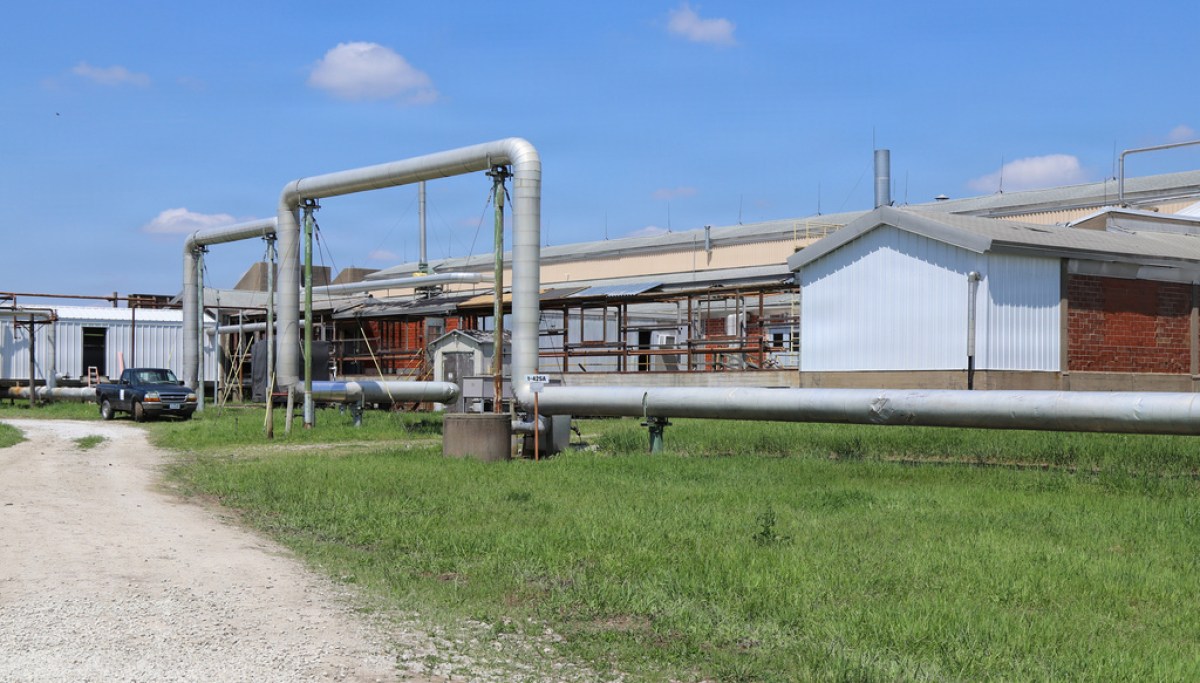
The Army announced on Sunday that it will detonate 5 tons of degraded lead azide Wednesday at a World War II-era ammunition plant in Iowa, marking the latest development in a saga that sparked intense debate over the merits of the planne…
Sourcing & attribution. Newseze provides AI-curated summaries, narrative framing, and editorial analysis. The underlying reporting was contributed by Washington Examiner; tap “Open original source” above to read their full reporting and support the contributing newsroom directly.
Newseze's algorithm reads the story and answers your question — calmly, factually, with source attribution. No comments, no flame wars — just answers.
No questions yet. Be the first.
Answers reflect Newseze's editorial framework applied under fair use (17 U.S.C. § 107). Not financial, legal, medical, or tax advice. Hate speech and racial slurs are blocked.
Related stories

Why it mattersA spokesman for Iran’s Foreign Ministry admitted that the country had “certainly been wounded” in its war against the United States and Israel. Speaking to reporters on Monday, Esmaeil Baghaei was asked about Treasury Se…
A spokesman for Iran’s Foreign Ministry admitted that the country had “certainly been wounded” in its war against the United States and Israel. Speaking to repo…
 By Chella·19m ago
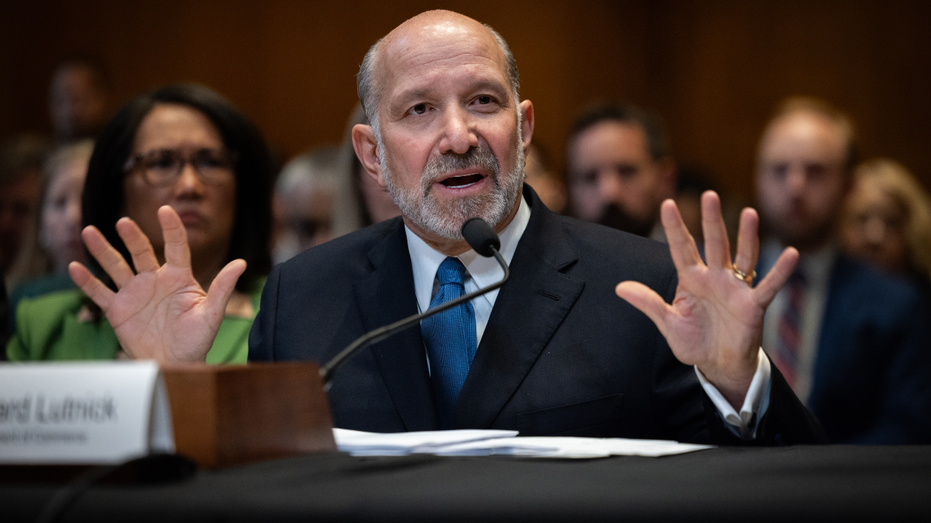
Why it mattersSen. John Kennedy wants Howard Lutnick and Scott Bessent to testify under oath over claims Commerce let China circumvent chip export controls.
By Chella·1h ago
Why it mattersNearly three dozen governors across the country have announced plans to opt into a new tax credit that can save parents money and open new opportunities for their children. If we learned anything from this past election,…
Nearly three dozen governors across the country have announced plans to opt into a new tax credit that can save parents money and open new opportunities for the…
By Chella·1h ago
Why it mattersPresident Donald Trump said he spoke directly and indirectly with Nvidia’s board to reinstate CEO Jensen Huang, insisting his return poses no national security risk.
By Chella·1h ago