Tuesday, July 7, 2026
NewsezeNews with Rewards · Earn while you read
+5 credits / query
government

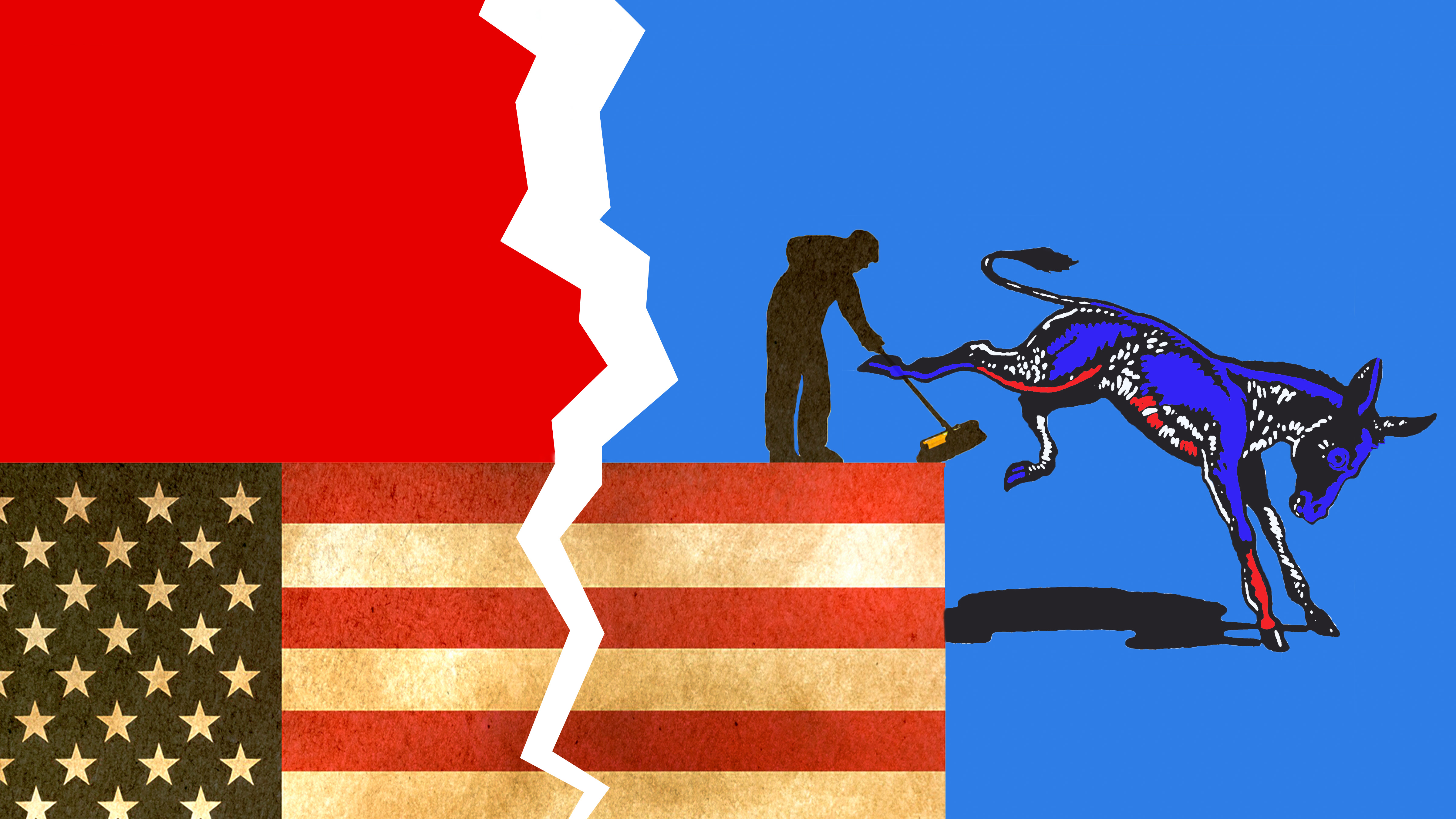
My Former Colleagues Are Destroying the Democratic Party
Newseze Wire·Mon, Jul 6, 10:26 PMWire: The Free Press
Open original source Read full story (in-site)
My Former Colleagues Are Destroying the Democratic Party

As a former Democratic operative, I worked with many of today’s rising far-left candidates. What you’re seeing now is only the beginning.

Sourcing & attribution. Newseze provides AI-curated summaries, narrative framing, and editorial analysis. The underlying reporting was contributed by The Free Press; tap “Open original source” above to read their full reporting and support the contributing newsroom directly.

Newseze Analysis468 words · original commentary
# How Internal Democratic Fractures May Shape Party Strategy Ahead A former Democratic operative has published a firsthand account describing ideological tensions within the party's infrastructure, drawing on personal experience working alongside candidates who have since embraced more progressive positions. The piece frames these internal dynamics not as isolated incidents but as part of a broader pattern that the author suggests will intensify. This insider perspective offers a useful lens for understanding why Democratic messaging and candidate selection have shifted noticeably in recent years, and what party leadership may face operationally as these tensions play out. The significance of insider critiques lies in what they reveal about organizational health and strategic coherence. When practitioners who have worked within party structures publicly describe dysfunction or ideological misalignment, it typically signals real operational friction—not merely disagreement about policy direction, which is normal in any large political movement. The author's framing suggests the issue goes beyond typical left-right debate; instead, it touches on how candidates are recruited, how party resources are allocated, and whether institutional Democrats retain meaningful influence over their own apparatus. This matters because parties that experience sustained internal coordination problems often struggle with message discipline, candidate viability, and donor confidence. The Democratic Party, like the Republican Party, benefits from some degree of coherent institutional voice—when that voice fractures, primary races become more unpredictable and general-election positioning becomes harder to execute. The credibility of such critiques depends heavily on specificity and evidence. Assertions about candidate ideology or party direction carry more weight when grounded in named individuals, documented decisions, or institutional changes rather than broad characterizations. Without those specifics, insider narratives can sometimes reflect personal grievance or generational disagreement rather than systemic problems. That said, the Democratic Party's recent primary races and policy positioning have visibly shifted on issues like energy, law enforcement, and economic regulation—changes that correlate with increased influence of younger, more progressive figures. Whether this represents healthy democratic evolution or institutional capture depends partly on perspective, but the pattern itself is empirically observable. The timing of such commentary is also noteworthy. Internal party criticism during periods when the party holds the presidency typically carries different weight than similar criticism during opposition periods. Public airing of internal disagreements can either clarify values for voters or signal weakness to opponents, depending on how it's managed. **Worth knowing:** Democratic Party unity has historically been fragile, cycling between periods of tight coordination and visible factionalism. This piece suggests the party may be entering—or already in—another fragmentation cycle. For voters and observers, this means Democratic primary races and policy messaging may remain unpredictable and contentious through the next election cycle. For the party itself, the key strategic question is whether these internal differences can be managed as healthy debate or whether they become liabilities in general elections. Reporting: The Free Press.

Across the aisle

Same story · other lanes

Here's how the same story is being covered by outlets in other lanes. Read both — Newseze doesn't pick a side.

All lanes still pass Newseze's calm filters (no drama, no conspiracy, respect baseline).
Ask Us · Any Story, Any AnswerBe the first to ask

Newseze's algorithm reads the story and answers your question — calmly, factually, with source attribution. No comments, no flame wars — just answers.

No questions yet. Be the first.

Answers reflect Newseze's editorial framework applied under fair use (17 U.S.C. § 107). Not financial, legal, medical, or tax advice. Hate speech and racial slurs are blocked.

Related stories

Chinese Pastor Ezra Jin Released After 266 Days in Prison; Reunites With Family in America
POLITICSTrending Righttrust 92
Chinese Pastor Ezra Jin Released After 266 Days in Prison; Reunites With Family in America

Why it mattersThe release of a religious leader detained by Beijing signals shifting dynamics in China's treatment of faith communities and tests whether diplomatic pressure can secure freedom for imprisoned Americans abroad.

The church leader was reunited with his family in America on Friday, after 266 days in Chinese prison, writes Frannie Block.

ChellaBy Chella·2d ago
WireThe Free Press
Full Analysis Comment PostRead →
Trump says senators would approve Cruz as Supreme Court justice to ‘get him the hell out’
POLITICSTrending Righttrust 78
Trump says senators would approve Cruz as Supreme Court justice to ‘get him the hell out’

Why it mattersPresident Donald Trump brought up the prospect of nominating Sen. Ted Cruz (R-TX) to the Supreme Court in jest on Monday during a White House event on Trump Accounts.

President Donald Trump brought up the prospect of nominating Sen. Ted Cruz (R-TX) to the Supreme Court in jest on Monday during a White House event on Trump Acc…

ChellaBy Chella·11h ago
WireWashington Examiner
Full Analysis Comment PostRead →
The DSA’s Communist Turn
POLITICStrust 73
The DSA’s Communist Turn

Why it mattersA majority of the organization’s governing board openly identifies with Communist ideology. Those who dismiss it as hyperbole should look more carefully.

ChellaBy Chella·1h ago
WireThe Free Press
Full Analysis Comment PostRead →
Supreme Court protected birthright citizenship. Here’s what it didn’t do
POLITICSTrending Righttrust 76
Supreme Court protected birthright citizenship. Here’s what it didn’t do

Why it mattersThe Supreme Court last week struck down an executive order in Trump v. Barbara, over whether a president can redefine birthright citizenship by executive action.

The Supreme Court last week struck down an executive order in Trump v. Barbara, over whether a president can redefine birthright citizenship by executive action…

ChellaBy Chella·9h ago
WireWashington Examiner
Full Analysis Comment PostRead →