Sunday, July 5, 2026
NewsezeNews with Rewards · Earn while you read
+5 credits / query
local

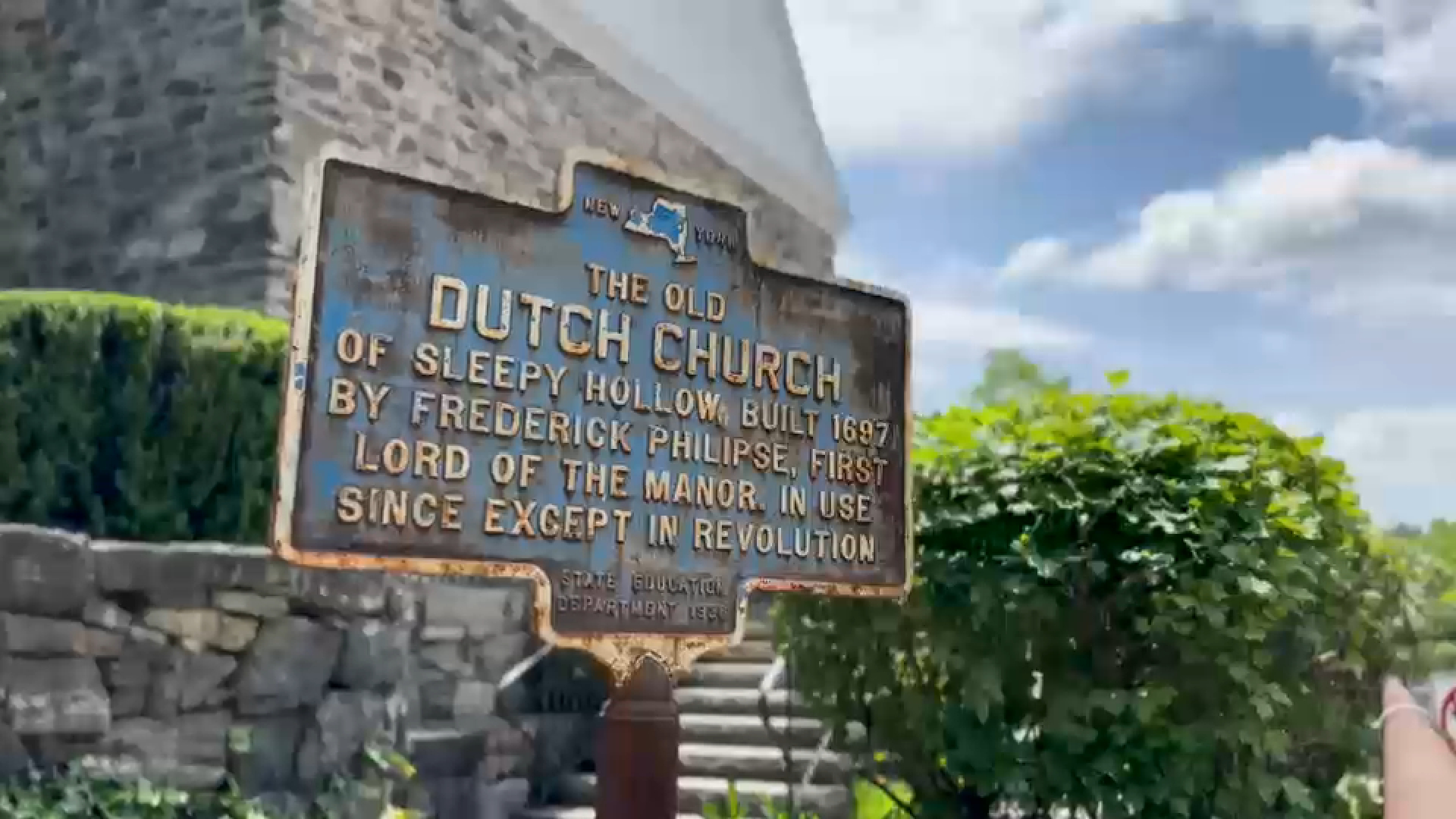
Where history meets legend: Inside Sleepy Hollow's Old Dutch Church
Newseze Wire·Fri, Jul 3, 9:59 PMWire: ABC 7 New York
Open original source Read full story (in-site)
Where history meets legend: Inside Sleepy Hollow's Old Dutch Church

That wartime history would later help inspire one of America's most famous ghost stories.

Sourcing & attribution. Newseze provides AI-curated summaries, narrative framing, and editorial analysis. The underlying reporting was contributed by ABC 7 New York; tap “Open original source” above to read their full reporting and support the contributing newsroom directly.

Newseze Analysis465 words · original commentary
# Where History Meets Legend: Inside Sleepy Hollow's Old Dutch Church The Old Dutch Church of Tarry Town stands as one of the Hudson Valley's most enduring landmarks, a structure that has witnessed nearly four centuries of American history while inadvertently inspiring one of the nation's most recognizable fictional characters. Built in 1685, the church's stone walls and surrounding cemetery have become so inseparable from Washington Irving's "The Legend of Sleepy Hollow" that visitors often struggle to distinguish historical fact from literary fiction. The building itself, however, tells a far different story than the headless horseman—one rooted in wartime trauma, community resilience, and the complex way cultural narratives are born from real events. The church's "wartime history" referenced in its modern tourist materials likely refers to the Revolutionary War period, when the Hudson Valley served as a contested zone between British and American forces. Like much of the region, the church and its cemetery would have been affected by the conflict's upheaval, potential desecration, and the psychological toll of occupation. This historical reality—burial grounds disturbed by warfare, soldiers interred in unfamiliar soil, and the general atmosphere of dread that accompanies invasion—created fertile ground for the gothic sensibilities that Irving would later channel into his novella, published in 1820. The author, a New York native, drew from local folklore, landscape, and documented historical unease to craft a story that transformed Sleepy Hollow into an American cultural touchstone. What makes this convergence particularly noteworthy is how Irving's literary genius essentially rewrote local memory. The church and cemetery became less important as authentic historical sites and more valuable as pilgrimage destinations for fans of American literature. Visitors arrive seeking the setting of fiction rather than knowledge of actual events. This raises interesting questions about historical preservation and public engagement: Does the fictional version serve the historical reality, or does it obscure it? The Old Dutch Church has ultimately benefited from the association, gaining visibility and funding that pure historical significance might not have generated. At the same time, serious historians and the local community have had to work harder to separate Irving's imaginative landscape from the documented realities of colonial life, wartime experience, and religious community. Today's visitors to Tarry Town can see both layers—the genuine artifact and the legendary overlay. The church's surviving architecture, documented records of its congregation, and the cemetery itself provide tangible connections to the past. Yet Irving's narrative remains so powerful that many people cannot experience the location without mentally conjuring horsemen and supernatural dread. **Worth knowing:** The story exemplifies how American historical consciousness is often shaped as much by our storytellers as by our archives. Understanding this dynamic helps explain why some historical sites achieve lasting prominence while others fade into obscurity, regardless of their actual significance. Reporting: ABC 7 New York.
Ask Us · Any Story, Any AnswerBe the first to ask

Newseze's algorithm reads the story and answers your question — calmly, factually, with source attribution. No comments, no flame wars — just answers.

No questions yet. Be the first.

Answers reflect Newseze's editorial framework applied under fair use (17 U.S.C. § 107). Not financial, legal, medical, or tax advice. Hate speech and racial slurs are blocked.

Related stories

Seen on TV: July 4
LOCALTrending Righttrust 73
Seen on TV: July 4

Why it mattersMiss it on-air? Looking for links and contact info for a story?

Miss it on-air? Looking for links and contact info for a story? Check here first!

ChellaBy Chella·18m ago
WireFox 10 Phoenix
Full Analysis Comment PostRead →