Thursday, July 9, 2026
NewsezeNews with Rewards · Earn while you read
+5 credits / query
local

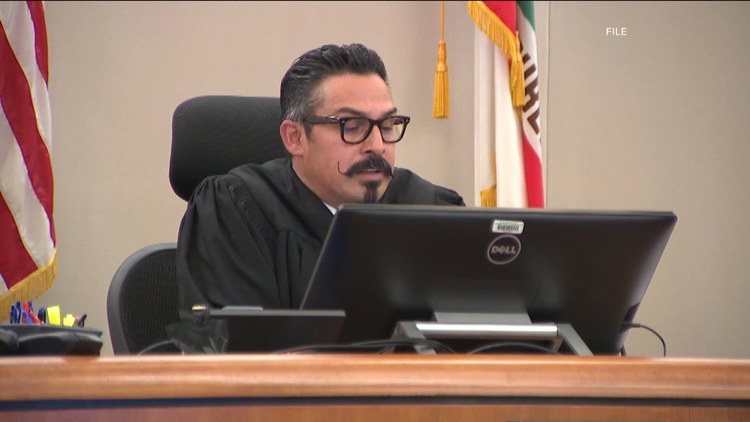
Larry Millete Murder Trial | Judge says jury can consider first-degree murder to manslaughter charges
Newseze Wire·Tue, Jul 7, 11:15 PMWire: CBS 8 San Diego
Open original source Read full story (in-site)
Larry Millete Murder Trial | Judge says jury can consider first-degree murder to manslaughter charges

Involuntary manslaughter can be considered due to the poison in this case. The jury has the option of deciding Larry poisoned Maya, without the intent to kill her.

Sourcing & attribution. Newseze provides AI-curated summaries, narrative framing, and editorial analysis. The underlying reporting was contributed by CBS 8 San Diego; tap “Open original source” above to read their full reporting and support the contributing newsroom directly.

Newseze Analysis438 words · original commentary
# Judge Expands Larry Millete Trial Options: Jury Can Now Consider Manslaughter The murder trial of Larry Millete has taken a procedural turn that broadens the jury's sentencing options. A San Diego judge has ruled that jurors may consider an involuntary manslaughter charge alongside the first-degree murder count, giving them flexibility in how they assess the evidence surrounding the death of Maya Millete. This ruling hinges on whether poison played a role in her death—and critically, whether Larry Millete administered it knowingly but without specific intent to kill. The significance of this decision lies in the legal framework it creates. First-degree murder requires proof of deliberate intent and premeditation. Involuntary manslaughter, by contrast, applies when someone causes death through reckless or grossly negligent conduct, or through an act that is inherently dangerous, regardless of whether death was the intended outcome. By allowing the jury to consider this lesser charge, the court acknowledges that evidence presented may support a narrative of harmful conduct that fell short of calculated murder. This is a meaningful distinction: a person could have poisoned another with knowledge of serious risk without specifically planning to end their life. The jury now has legal permission to reach that conclusion if the evidence supports it. From an evidentiary standpoint, this ruling suggests the court found sufficient basis to believe poison may have been involved in Maya's death—a significant element in the prosecution's case. However, the availability of the manslaughter option also signals judicial recognition that the evidence may not conclusively establish premeditation, the highest bar in criminal law. Courts typically allow lesser-included charges when there is reasonable doubt about the more severe allegation but credible evidence of a lesser one. The judge's decision reflects standard legal practice: when a defendant's conduct could fit multiple criminal categories, the jury deserves the chance to apply the one most supported by facts they believe proven. For the defense, this ruling creates an off-ramp of sorts—not an acquittal, but potentially a more survivable outcome than first-degree murder conviction. For prosecutors, it means their case must be strong enough to persuade jurors that Larry Millete acted with calculated intent, not merely recklessly. The availability of a middle option can sometimes complicate prosecutorial strategy, as jurors may be tempted to "split the difference." **Worth knowing:** Criminal trials hinge on precise legal definitions. The difference between first-degree murder and involuntary manslaughter represents the difference between decades in prison and potentially far shorter sentences. This judge's ruling doesn't indicate weakness in the prosecution's case—rather, it reflects the legal requirement to let juries consider all charges reasonably supported by evidence presented. Reporting: CBS 8 San Diego.
Ask Us · Any Story, Any AnswerBe the first to ask

Newseze's algorithm reads the story and answers your question — calmly, factually, with source attribution. No comments, no flame wars — just answers.

No questions yet. Be the first.

Answers reflect Newseze's editorial framework applied under fair use (17 U.S.C. § 107). Not financial, legal, medical, or tax advice. Hate speech and racial slurs are blocked.

Related stories