Meta plans billions for first AI data center in Canada, largest outside the US
'/> </pattern> </defs> <rect width='1200' height='675' fill='url(%23g)'/> <rect width='1200' height='675' fill='url(%23dots)'/> <rect x='60' y='210' width='6' height='80' fill='%23f5a524'/> <text x='90' y='268' font-size='15' font-weight='900' letter-spacing='5' fill='%23f5a524'>LOCAL</text> <g font-family='Inter, Arial, sans-serif'> <text x='60' y='320' font-size='44' font-weight='800' fill='rgba(255,255,255,0.97)' letter-spacing='-0.5'>Meta plans billions for first AI data</text><text x='60' y='376' font-size='44' font-weight='800' fill='rgba(255,255,255,0.97)' letter-spacing='-0.5'>center in Canada, largest outside the</text><text x='60' y='432' font-size='44' font-weight='800' fill='rgba(255,255,255,0.97)' letter-spacing='-0.5'>US…</text> <text x='60' y='620' font-size='14' font-weight='700' letter-spacing='3' fill='rgba(255,255,255,0.7)'>PHILADELPHIA INQUIRER · NEWSEZE</text> </g> </svg>)
Facebook and Instagram parent Meta said Wednesday it will invest more than 13 billion Canadian dollars ($9.1 billion) to build its first artificial intelligence data center in Canada and its largest outside the United States
Sourcing & attribution. Newseze provides AI-curated summaries, narrative framing, and editorial analysis. The underlying reporting was contributed by Philadelphia Inquirer; tap “Open original source” above to read their full reporting and support the contributing newsroom directly.
Across the aisle
Same story · other lanesHere's how the same story is being covered by outlets in other lanes. Read both — Newseze doesn't pick a side.
Newseze's algorithm reads the story and answers your question — calmly, factually, with source attribution. No comments, no flame wars — just answers.
No questions yet. Be the first.
Answers reflect Newseze's editorial framework applied under fair use (17 U.S.C. § 107). Not financial, legal, medical, or tax advice. Hate speech and racial slurs are blocked.
Related stories

Why it mattersA federal appeals court on Thursday upheld an Illinois ban on semiautomatic weapons, keeping in place a law passed largely in response to a deadly Independence Day parade shooting. The ruling by the U.S.
A federal appeals court on Thursday upheld an Illinois ban on semiautomatic weapons, keeping in place a law passed largely in response to a deadly Independence …
 By Chella·1h ago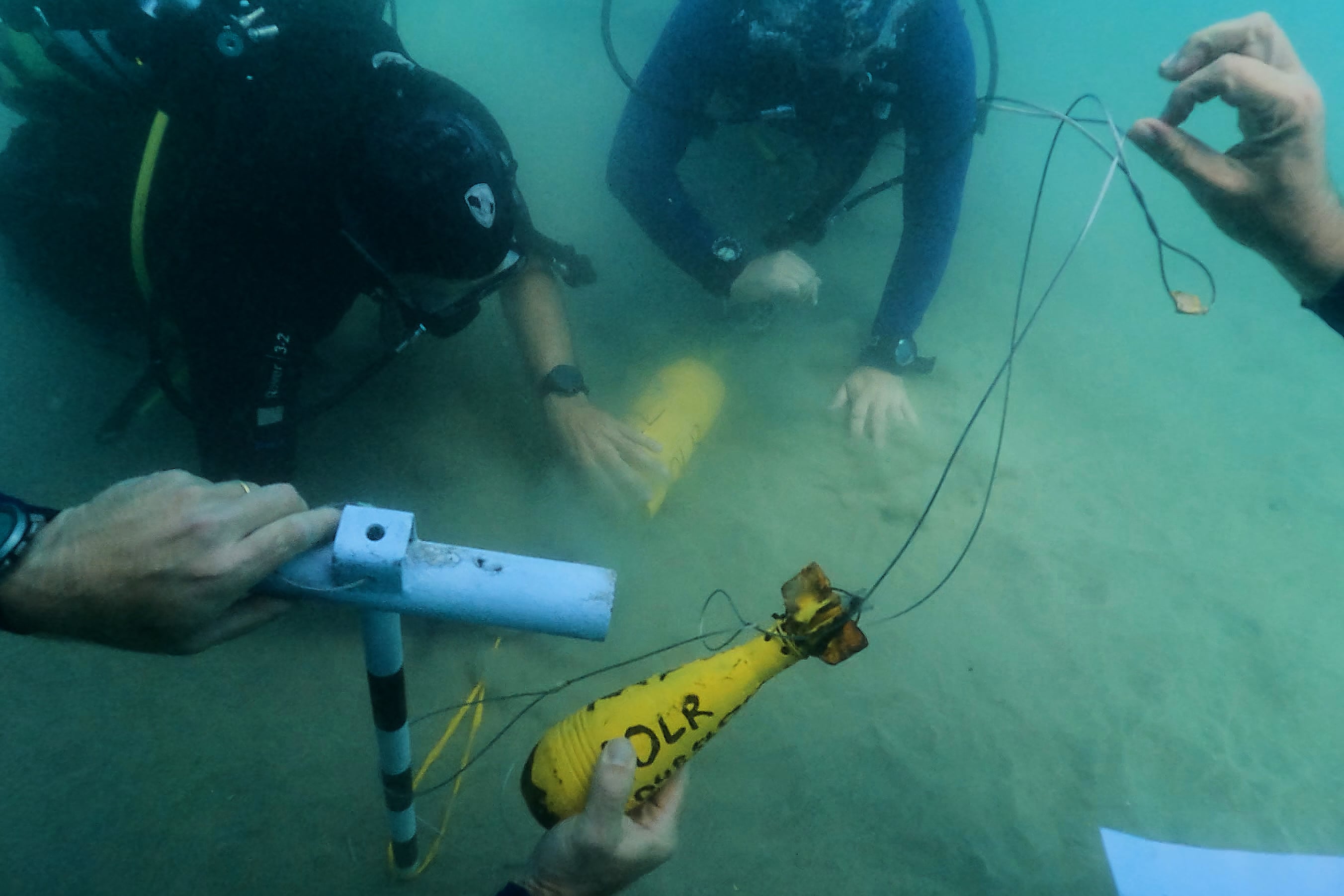
Why it mattersIsrael has launched a project aimed at clearing part of the seas to give beach space back to the population
By Chella·37m ago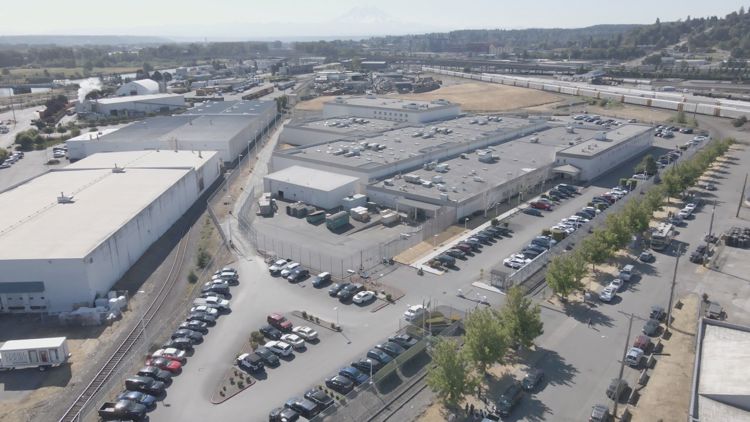
Why it mattersThe judge said the organization that runs the private detention facility, the GEO Group, must allow state health inspectors inside.
By Chella·58m ago
Why it mattersKylian Mbappé shook off a missed penalty kick to score his eighth goal of the World Cup, helping France to beat Morocco 2-0 and reach the semifinals for the third time in a row
By Chella·1h ago