Saturday, July 4, 2026
NewsezeNews with Rewards · Earn while you read
+5 credits / query
world

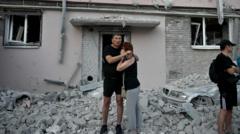
Rescue teams free survivor stuck under rubble in Venezuela

Newseze Wire·Thu, Jul 2, 10:03 PMWire: The Globe and Mail
Open original source Read full story (in-site)
Rescue teams free survivor stuck under rubble in Venezuela

Rescue teams on Thursday rescued Hernan Alberto Gil, who had been trapped in the Venezuelan mall of Galerias Playa Grande for over a week. Alberto Gil, 44, had been trapped some 29 feet underground, according to the Costa Rican Red Cross.

Sourcing & attribution. Newseze provides AI-curated summaries, narrative framing, and editorial analysis. The underlying reporting was contributed by The Globe and Mail; tap “Open original source” above to read their full reporting and support the contributing newsroom directly.

Newseze Analysis440 words · original commentary
# Rescue Operation in Venezuela Highlights Infrastructure Fragility in Latin America A 44-year-old man emerged from beneath a collapsed Venezuelan shopping mall on Thursday, having survived more than a week trapped nearly 30 feet underground. Hernan Alberto Gil was rescued from the ruins of Galerias Playa Grande by international rescue teams coordinating with the Costa Rican Red Cross. The successful extraction marks a dramatic recovery in a region where structural failures and emergency response capabilities remain significant challenges for citizens and authorities alike. The incident underscores persistent vulnerabilities in Venezuela's built environment and public infrastructure. Shopping malls and commercial structures across Latin America have faced recurring problems related to maintenance backlogs, aging construction standards, and insufficient oversight. While individual collapses capture headlines, they typically reflect broader patterns of deferred maintenance and resource constraints affecting developing nations. What distinguishes this case is the survival outcome—a seven-plus-day rescue operation successfully locating and extracting a victim from extreme depth suggests both the determination of international rescue personnel and, paradoxically, the dire circumstances that necessitate such efforts. The involvement of Costa Rican Red Cross resources indicates how regional humanitarian networks sometimes compensate for gaps in local emergency infrastructure. The medical and logistical aspects of this rescue warrant attention. Survival for over a week under concrete and rubble, without apparent access to food or water, represents an extreme physiological challenge. Medical teams responding to such rescues must assess dehydration, crush injuries, and organ damage before extraction—rushing can prove fatal. The fact that Gil was conscious enough to be located and successfully freed suggests either fortunate timing in the collapse's structure or effective signaling that enabled rescuers to pinpoint his location. The success rate for survivors in similar situations globally remains sobering; extended entrapment typically produces grim outcomes, making this case exceptional rather than typical. For observers assessing infrastructure risks in developing economies, this incident offers a reminder that catastrophic failures—whether from seismic activity, poor maintenance, or construction defects—often occur without warning and with limited institutional resources to respond. Wealthier nations with robust building codes, regular inspections, and well-funded emergency services experience fewer such incidents. The international response here, while admirable, also highlights how individual rescues, however successful, do not address systemic problems affecting millions who live and work in structures lacking similar safeguards. **Worth knowing:** Survival stories from structural collapses tend to generate disproportionate media attention relative to their frequency. What's more significant than any single rescue is the underlying pattern: whether Venezuela and similar regions will commit to infrastructure upgrades and enforcement mechanisms that prevent collapses entirely, rather than relying on heroic rescue operations as a substitute for prevention. Reporting: The Globe and Mail.

Across the aisle

Same story · other lanes

Here's how the same story is being covered by outlets in other lanes. Read both — Newseze doesn't pick a side.

All lanes still pass Newseze's calm filters (no drama, no conspiracy, respect baseline).
Ask Us · Any Story, Any AnswerBe the first to ask

Newseze's algorithm reads the story and answers your question — calmly, factually, with source attribution. No comments, no flame wars — just answers.

No questions yet. Be the first.

Answers reflect Newseze's editorial framework applied under fair use (17 U.S.C. § 107). Not financial, legal, medical, or tax advice. Hate speech and racial slurs are blocked.

Related stories