Sunday, June 14, 2026
NewsezeNews with Rewards · Earn while you read
+5 credits / query
local

Tick Bites Trigger Meat Allergy That's Rising in U.S.—What Patients Need to Know About Alpha-Gal Syndrome
Newseze Wire·Sun, Jun 14, 12:42 AMWire: Philadelphia Inquirer
Open original source Read full story (in-site)
Tick Bites Trigger Meat Allergy That's Rising in U.S.—What Patients Need to Know About Alpha-Gal Syndrome

Alpha-gal syndrome, a potentially serious allergy acquired through tick bites, is increasing in prevalence; public awareness of symptoms and prevention could help patients avoid severe reactions and improve early detection.

Sourcing & attribution. Newseze provides AI-curated summaries, narrative framing, and editorial analysis. The underlying reporting was contributed by Philadelphia Inquirer; tap “Open original source” above to read their full reporting and support the contributing newsroom directly.

Newseze Analysis440 words · original commentary
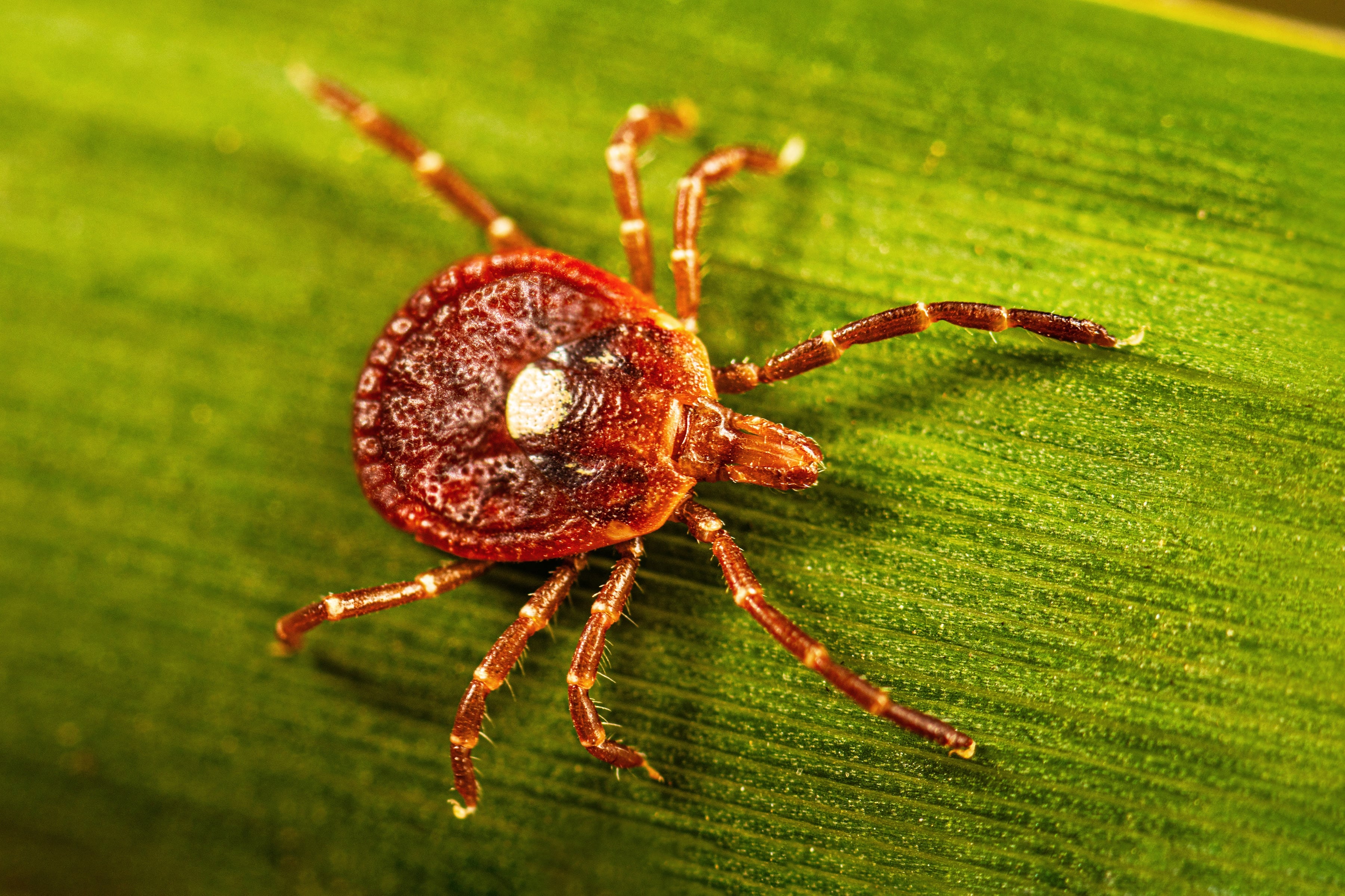
# The Rising Tick-Borne Allergy Americans Are Only Beginning to Understand A peculiar medical phenomenon is gaining recognition across the United States: alpha-gal syndrome, a meat allergy acquired not through genetics or early childhood exposure, but through the bite of a lone star tick. The condition, which prevents sufferers from consuming beef, pork, and lamb without risk of allergic reaction, has been documented with increasing frequency in recent years. Public health officials and medical professionals are now raising awareness about symptoms, prevention, and early detection—recognizing that many Americans may be living with undiagnosed cases simply because they're unfamiliar with how the allergy develops or manifests. Alpha-gal syndrome represents a medical intersection worth understanding: it's neither rare nor trivial, yet remains poorly known among the general public. The condition emerges when a lone star tick injects alpha-gal, a sugar molecule found in mammalian meat, into the human bloodstream during a bite. The immune system then develops antibodies against this compound, triggering reactions ranging from mild rashes and gastrointestinal distress to severe anaphylaxis. What makes this particularly noteworthy is its epidemiology—cases are clustering in regions where lone star tick populations are expanding, particularly in the Southeast and mid-Atlantic states. The condition disproportionately affects adults who spend time outdoors, suggesting occupational and recreational exposure patterns. Early data suggests rising incidence, though researchers debate whether this reflects genuine increases or improved diagnostic awareness. The public health implications warrant attention from both patients and policymakers. Early symptom recognition—delayed allergic reactions occurring hours after consuming red meat, often dismissed as food poisoning—could prevent emergency room visits and severe complications. Current management relies on dietary modification and carrying epinephrine auto-injectors, placing responsibility on patients to understand their condition. Prevention messaging around tick avoidance, though already well-established for Lyme disease prevention, takes on added importance. The evidence base here is solid: tick exposure remains the confirmed pathway, and allergic testing can identify the condition reliably. However, treatment options remain limited; no cure exists, and some patients experience gradual tolerance recovery over years while others don't. The story illustrates how environmental and epidemiological shifts can create medical challenges that outpace public awareness. Alpha-gal syndrome isn't a new disease, but its rising visibility reflects changing tick populations, expanded geographic ranges, and physicians becoming more attuned to the diagnosis. For Americans in affected regions—or those planning outdoor activities there—understanding that tick prevention serves multiple purposes beyond Lyme disease prevention seems prudent. **Worth knowing:** If you experience delayed allergic reactions hours after consuming red meat, particularly if you've had recent tick exposure in the Southeast or mid-Atlantic, discussing alpha-gal testing with your physician could prevent misdiagnosis and serious reactions. Reporting: Philadelphia Inquirer.
Reader CommentsBe the first reader · Subscribe to join

No comments yet. Be the first.

Related stories

Former 49ers linebacker Aldon Smith, a top-10 draft pick, dies at 36
LOCALtrust 98
Former 49ers linebacker Aldon Smith, a top-10 draft pick, dies at 36

Why it mattersSmith's death marks the loss of a prominent NFL figure who shaped San Francisco's defense during the franchise's recent competitive window, and raises questions about the off-field challenges he faced throughout his care…

Smith was originally drafted by the San Francisco 49ers as the seventh overall selection in the 2011 NFL Draft, and he played in 50 games during his four years …

ChellaBy Chella·10h ago
WireKTVU Fox 2 Bay Area
Full Analysis Comment PostRead →
Phoenix reaches 110 degrees as heat ridge settles over Arizona for the week
LOCALtrust 86
Phoenix reaches 110 degrees as heat ridge settles over Arizona for the week

Why it mattersExtreme heat poses immediate risks to public health, energy infrastructure, and outdoor work schedules, with temperatures expected to persist through the coming days.

Phoenix recorded its first 110-degree temperature of 2026 on Saturday as an unseasonably hot ridge of high pressure settles over Arizona. FOX 10's Ashley Loaeza…

ChellaBy Chella·9h ago
WireFox 10 Phoenix
Full Analysis Comment PostRead →
Griffith Park Hiker Airlifted After 50-Foot Fall Near Bird Sanctuary
LOCALtrust 89
Griffith Park Hiker Airlifted After 50-Foot Fall Near Bird Sanctuary

Why it mattersThe rescue demonstrates how quickly first responders can reach hikers in difficult terrain, while also highlighting the real risks that come with popular recreational trails.

A hiker was rescued after they fell 50 feet from a trail near the Griffith Park bird sanctuary Sunday. Rescuers with the Los Angeles Fire Department responded t…

ChellaBy Chella·10h ago
WireKTLA Los Angeles
Full Analysis Comment PostRead →