Malicious Perplexity Chrome Extension Intercepted Searches and Address Bar Input

Microsoft has found a malicious Chrome extension that posed as the AI search engine Perplexity and quietly logged what people searched for. It routed every query and every character typed into the address bar through an attacker-controll…
Sourcing & attribution. Newseze provides AI-curated summaries, narrative framing, and editorial analysis. The underlying reporting was contributed by The Hacker News; tap “Open original source” above to read their full reporting and support the contributing newsroom directly.
Newseze's algorithm reads the story and answers your question — calmly, factually, with source attribution. No comments, no flame wars — just answers.
No questions yet. Be the first.
Answers reflect Newseze's editorial framework applied under fair use (17 U.S.C. § 107). Not financial, legal, medical, or tax advice. Hate speech and racial slurs are blocked.
Related stories
'/> </pattern> </defs> <rect width='1200' height='675' fill='url(%23g)'/> <rect width='1200' height='675' fill='url(%23dots)'/> <rect x='60' y='210' width='6' height='80' fill='%23f5a524'/> <text x='90' y='268' font-size='15' font-weight='900' letter-spacing='5' fill='%23f5a524'>NEWSEZE</text> <g font-family='Inter, Arial, sans-serif'> <text x='60' y='320' font-size='44' font-weight='800' fill='rgba(255,255,255,0.97)' letter-spacing='-0.5'>CISA warns Russian intelligence</text><text x='60' y='376' font-size='44' font-weight='800' fill='rgba(255,255,255,0.97)' letter-spacing='-0.5'>actively exploiting commercial</text><text x='60' y='432' font-size='44' font-weight='800' fill='rgba(255,255,255,0.97)' letter-spacing='-0.5'>messaging apps to access U.S. networks…</text> <text x='60' y='620' font-size='14' font-weight='700' letter-spacing='3' fill='rgba(255,255,255,0.7)'>CISA ALERTS VIA GOOGLE NEWS · NEWSEZE</text> </g> </svg>)
Why it mattersRussian state-sponsored hackers are using everyday messaging platforms as entry points into American infrastructure, prompting federal cybersecurity officials to alert private companies and users to tighten access contro…
Russian Intelligence Services Continue to Target Commercial Messaging Applications CISA (.gov)
 By Chella·3d ago
Why it mattersThe guilty pleas expose critical vulnerabilities in critical infrastructure security and demonstrate the reach of organized cybercrime groups operating across borders; the case signals both improved law enforcement coord…
Two men pleaded guilty in the United Kingdom this week to criminal charges stemming from an August 2024 cyberattack that crippled Transport for London, the enti…
By Chella·6d ago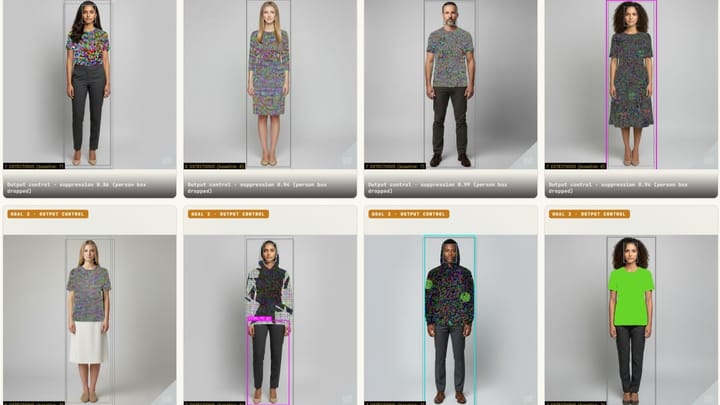
Why it mattersDoes life feel Orwellian sometimes? One researcher has a solution for you: graphic tees that confuse the neural networks in surveillance cameras.
By Chella·1h ago'/> </pattern> </defs> <rect width='1200' height='675' fill='url(%23g)'/> <rect width='1200' height='675' fill='url(%23dots)'/> <rect x='60' y='210' width='6' height='80' fill='%23f5a524'/> <text x='90' y='268' font-size='15' font-weight='900' letter-spacing='5' fill='%23f5a524'>NEWSEZE</text> <g font-family='Inter, Arial, sans-serif'> <text x='60' y='320' font-size='44' font-weight='800' fill='rgba(255,255,255,0.97)' letter-spacing='-0.5'>CISA Releases Zero Trust Modernization</text><text x='60' y='376' font-size='44' font-weight='800' fill='rgba(255,255,255,0.97)' letter-spacing='-0.5'>Guide for Federal Agencies</text> <text x='60' y='620' font-size='14' font-weight='700' letter-spacing='3' fill='rgba(255,255,255,0.7)'>CISA ALERTS VIA GOOGLE NEWS · NEWSEZE</text> </g> </svg>)
Why it mattersFederal agencies now have concrete technical guidance to strengthen cybersecurity defenses against sophisticated threats, addressing a critical vulnerability in how government systems authenticate users and devices.
New CISA Guide Assists Federal Agencies with Transitioning to Modernized Zero Trust Architectures CISA (.gov)
By Chella·5d ago