Tuesday, June 30, 2026
NewsezeNews with Rewards · Earn while you read
+5 credits / query
world

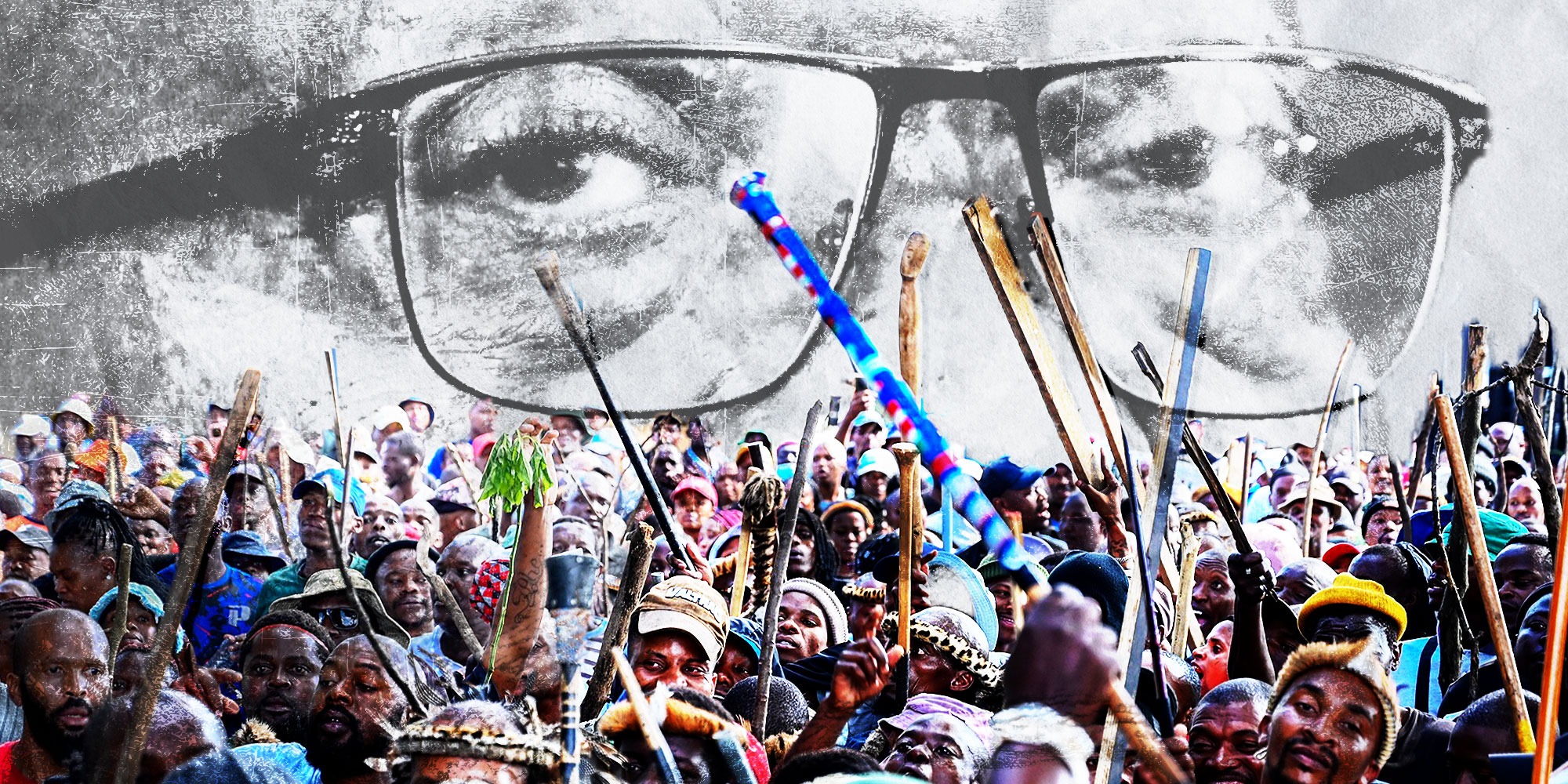
POLITICS: Poverty, political playbooks and Jacob Zuma — the forces behind SA’s anti-immigrant crisis
Newseze Wire·Sun, Jun 28, 11:57 PMWire: Daily Maverick
Open original source Read full story (in-site)
POLITICS: Poverty, political playbooks and Jacob Zuma — the forces behind SA’s anti-immigrant crisis

As the ANC connects Jacob Zuma to the anti-immigrant protests, the underlying challenges of living standards and identity politics reveal the complex layers of South Africa’s migration debate.

Sourcing & attribution. Newseze provides AI-curated summaries, narrative framing, and editorial analysis. The underlying reporting was contributed by Daily Maverick; tap “Open original source” above to read their full reporting and support the contributing newsroom directly.

Newseze Analysis447 words · original commentary
# The Political Architecture Behind South Africa's Anti-Immigrant Unrest South Africa's recent wave of anti-immigrant sentiment reflects a convergence of genuine economic hardship, calculated political messaging, and historical fault lines within the African National Congress itself. As the ruling party attempts to distance itself from the violence by linking former president Jacob Zuma to organizing efforts, the episode exposes how migration—often a technical policy issue in developed nations—becomes a flashpoint when combined with unemployment, service delivery failures, and fractious internal party politics. The question is not simply whether immigrants are the root cause of South Africa's problems, but why political actors have found it advantageous to frame them as such at this particular moment. The economic foundations are real and deserve serious treatment. South Africa's unemployment rate hovers near 35 percent, with youth joblessness even higher. In township and informal settlement economies where competition for casual labor, informal trade, and scarce services is direct and daily, the presence of foreign nationals does create tangible friction—not necessarily because immigrants cause unemployment writ large, but because they're visible participants in survival-level economic activity. When living standards stagnate and state capacity deteriorates, citizens reasonably seek explanations and solutions. The mistake would be dismissing this frustration as mere xenophobia; it's also rational economic anxiety channeled through available grievance frameworks. That framing, however, has been actively constructed by political entrepreneurs. The ANC's effort to blame Zuma—a figure who retains support among certain party factions and retains symbolic weight among poorer constituencies—suggests internal party competition over who controls the anti-establishment narrative. By attributing the protests to Zuma's organizing rather than examining why such messaging resonates, the party avoids reckoning with its own policy failures and legitimacy deficit. The evidence quality here matters. Reports of organized coordination versus spontaneous uprising require careful documentation. If Zuma-linked actors did mobilize the protests, that's newsworthy; but it's a different story than asking whether anti-immigrant sentiment among South Africans is itself manufactured. The distinction is crucial. People can simultaneously hold genuine concerns about economic competition while being susceptible to organized amplification of those concerns. Both things can be true. The migration debate in South Africa thus becomes a window into how political legitimacy erodes: when governments fail to deliver broadly shared prosperity, alternative explanations for failure—and alternative political leaders offering solutions—gain traction, sometimes dangerously. **Worth knowing:** South Africa's anti-immigrant crisis reveals that migration debates, globally, are rarely purely about immigration policy. They're about whether ordinary people believe their government has their interests at heart. In South Africa's case, years of ANC governance combined with structural economic challenges have created conditions where blaming outsiders becomes politically viable. This dynamic—desperation plus political opportunity—appears wherever economic confidence erodes. Reporting: Daily Maverick.
Ask Us · Any Story, Any AnswerBe the first to ask

Newseze's algorithm reads the story and answers your question — calmly, factually, with source attribution. No comments, no flame wars — just answers.

No questions yet. Be the first.

Answers reflect Newseze's editorial framework applied under fair use (17 U.S.C. § 107). Not financial, legal, medical, or tax advice. Hate speech and racial slurs are blocked.

Related stories

Rescue teams pull two boys from Venezuela earthquake rubble as 33 saved over weekend; tens of thousands still unaccounted for
WORLDtrust 85
Rescue teams pull two boys from Venezuela earthquake rubble as 33 saved over weekend; tens of thousands still unaccounted for

Why it mattersAs the critical 72-hour window for finding survivors narrows, thousands of families remain without word of missing relatives, testing both rescue capacity and the country's disaster response infrastructure.

With tens of thousands of people missing, relatives face another night waiting for news of loved ones as the crucial window for locating survivors closes.

ChellaBy Chella·1d ago
WireBBC World
Full Analysis Comment PostRead →