Sunday, July 12, 2026
NewsezeNews with Rewards · Earn while you read
+5 credits / query
government

Why the Olympics won’t have a Balogate

Newseze Wire·Fri, Jul 10, 10:15 PMWire: Politico
Open original source Read full story (in-site)
Why the Olympics won’t have a Balogate

The International Olympic Committee has approached the Trump White House very differently than FIFA has.

Sourcing & attribution. Newseze provides AI-curated summaries, narrative framing, and editorial analysis. The underlying reporting was contributed by Politico; tap “Open original source” above to read their full reporting and support the contributing newsroom directly.

Newseze Analysis434 words · original commentary
# How the Olympics Learned From FIFA's Misstep The International Olympic Committee's measured approach to White House relations offers a studied contrast to FIFA's recent diplomatic stumble, revealing how international sports bodies calibrate their engagement with U.S. administrations. While FIFA's handling of certain policy matters drew public attention and criticism, the IOC has opted for a more deliberate strategy of coordination and behind-the-scenes dialogue with the Trump transition team—one designed to avoid the appearance of either capitulation or confrontation that might trigger controversy back home. The substantive difference lies in timing and tone. FIFA's more visible public positions on various political matters created what some observers called "Balogate"—a framework of controversy around how international sports organizations navigate U.S. political dynamics. The IOC, by contrast, has engaged through traditional diplomatic channels, requesting clarity on policies affecting Olympic operations, athlete visas, and security protocols. This approach carries institutional logic: the Summer and Winter Olympics depend heavily on U.S. participation, viewership, and hosting relationships. The IOC's leadership understands that appearing to take public political stances risks alienating portions of its American stakeholder base, whether athletes, broadcasters, or state governments. By keeping discussions private, the organization preserves its image as a neutral convener of global sport while still protecting its interests. The evidence supporting this divergence is structural rather than anecdotal. The IOC has had decades of experience managing relationships across U.S. administrations of both parties. Its institutional culture prizes discretion; major decisions about Olympic host cities, athlete eligibility, and competition rules happen in closed sessions. FIFA, by contrast, faces more immediate political pressures in member states and has historically been more willing to make public declarations on social issues. The Trump transition team appears to have signaled openness to traditional diplomatic engagement, which the IOC recognized and leveraged effectively. This doesn't suggest either organization compromised its values—rather, they chose different communication strategies based on their organizational cultures and strategic vulnerabilities. The practical outcome matters for 2026 and beyond. An IOC that maintains credibility with the White House and Congress smooths pathways for American Olympic candidates seeking hosting rights, protects U.S. athletes' ability to compete internationally, and preserves broadcasting relationships worth billions. A FIFA that navigates similar relationships more publicly faces constant scrutiny about consistency and independence. **Worth knowing:** International sports organizations operate under a different playbook than NGOs or advocacy groups. Their primary obligation is to their sport and member nations, not to public positioning on external political questions. The IOC's quieter approach isn't necessarily more or less principled than FIFA's visibility—it's an institutional choice reflecting different organizational histories and stakes in American political relationships. Reporting: Politico.
Ask Us · Any Story, Any AnswerBe the first to ask

Newseze's algorithm reads the story and answers your question — calmly, factually, with source attribution. No comments, no flame wars — just answers.

No questions yet. Be the first.

Answers reflect Newseze's editorial framework applied under fair use (17 U.S.C. § 107). Not financial, legal, medical, or tax advice. Hate speech and racial slurs are blocked.

Related stories

At least two killed in shooting at Toronto music festival
POLITICSTrending Righttrust 73
At least two killed in shooting at Toronto music festival

Why it mattersAt least two people are dead and three more are injured after a shooting Saturday evening in Toronto, Canada. According to Toronto Police Operations, police responded at 8:12 p.m.

At least two people are dead and three more are injured after a shooting Saturday evening in Toronto, Canada. According to Toronto Police Operations, police res…

ChellaBy Chella·1h ago
WireWashington Examiner
Full Analysis Comment PostRead →
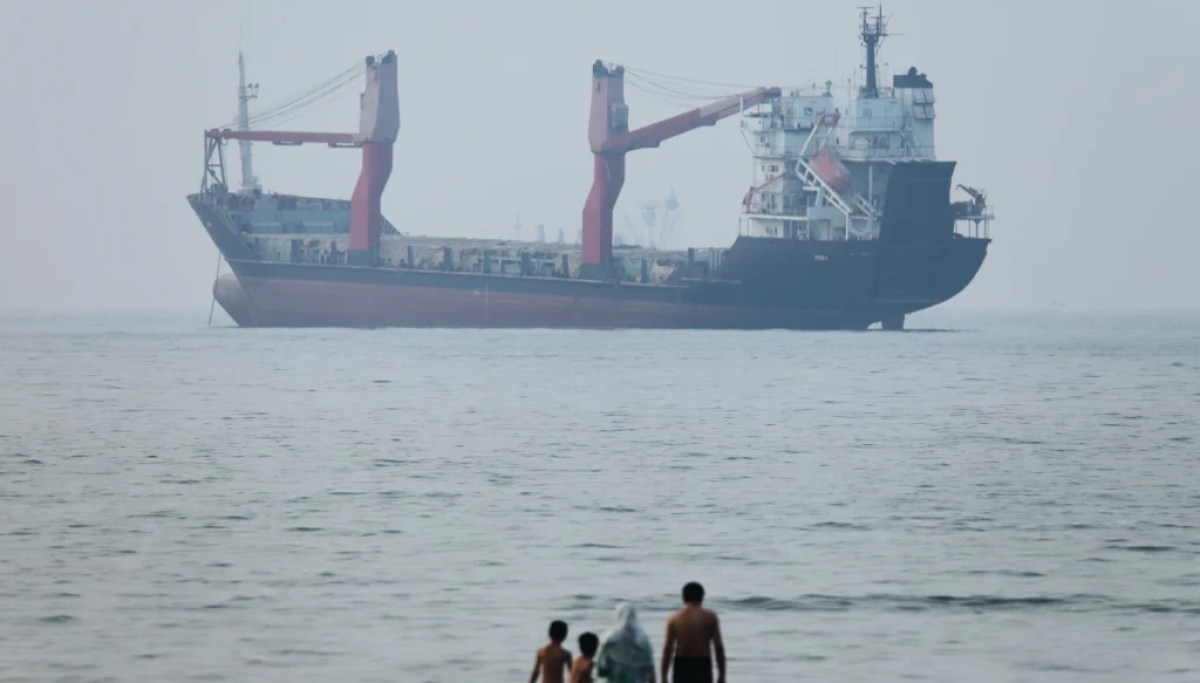
Iran Strikes Commercial Vessel in Hormuz; U.S. Readies Response After Ceasefire Collapses
POLITICSTrending Righttrust 84
Iran Strikes Commercial Vessel in Hormuz; U.S. Readies Response After Ceasefire Collapses

Why it mattersA direct Iranian attack on international shipping and the breakdown of an active ceasefire escalates the risk of broader conflict in one of the world's most critical energy corridors, affecting global oil markets and Ame…

An Iranian missile has struck a commercial cargo ship in the Strait of Hormuz, prompting Iran’s military to declare the waterway closed and U.S. Central Command…

MarcusBy Marcus·2h ago
WireWashington Examiner
Full Analysis Comment PostRead →
Iran Strikes Commercial Ship in Hormuz; U.S. Responds With Strikes as Ceasefire Collapses
POLITICSTrending Righttrust 84
Iran Strikes Commercial Ship in Hormuz; U.S. Responds With Strikes as Ceasefire Collapses

Why it mattersDirect military escalation in one of the world's most critical shipping chokepoints threatens global oil markets and signals breakdown of diplomatic constraints between Tehran and Washington.

An Iranian missile has struck a commercial cargo ship in the Strait of Hormuz, prompting Iran’s military to declare the waterway closed and U.S. Central Command…

MarcusBy Marcus·2h ago
WireWashington Examiner
Full Analysis Comment PostRead →