Friday, July 10, 2026
NewsezeNews with Rewards · Earn while you read
+5 credits / query
government

Eating Anti-Racist Candy

Newseze Wire·Thu, Jul 9, 10:07 PMWire: National Review
Open original source Read full story (in-site)
Eating Anti-Racist Candy

We can’t forget that the activism in 2020 was so totalitarian that even candy companies issued statements about racism.

Sourcing & attribution. Newseze provides AI-curated summaries, narrative framing, and editorial analysis. The underlying reporting was contributed by National Review; tap “Open original source” above to read their full reporting and support the contributing newsroom directly.

Newseze Analysis463 words · original commentary
# The Corporate Response to 2020's Social Justice Moment In the summer of 2020, amid nationwide protests following George Floyd's death, American corporations faced intense pressure to publicly address racial justice concerns. Candy manufacturers were among the hundreds of companies that issued statements, reviewed their product names and branding, or announced diversity initiatives—a phenomenon that reflected both genuine corporate introspection and, critics argue, performative activism. The episode offers a revealing window into how market pressure, activist campaigns, and corporate risk-management calculus converged during an exceptional moment in American culture. The involvement of candy companies in broader racial justice conversations seems, on its surface, incongruous. These firms sell confectionery products, not social policy. Yet their participation underscores how thoroughly activist messaging had permeated institutional America by mid-2020. Companies feared consumer backlash, employee discontent, or reputational damage if perceived as indifferent to social concerns. For some manufacturers, this meant examining product names with potentially offensive histories; for others, it involved pledging hiring commitments or financial donations to racial equity causes. The corporate world's near-unanimous pivot was striking—dissent from the prevailing activist framework carried meaningful business risk. What's notable is that candy companies faced little consumer demand for such statements; the pressure came primarily from activist groups, media coverage, and internal organizational dynamics rather than from customers voting with their wallets. This episode reveals important truths about how cultural consensus forms in contemporary America. When activist energy reaches sufficient intensity and mainstream media amplify it, corporations often respond less because their stakeholders demand it and more because silence carries perceived risks. The candy company statements typically involved minimal actual operational change—they were primarily communicative acts. This distinction matters: performative corporate activism can create an illusion of systemic change without addressing underlying policy or structural questions. It also raises questions about whether corporate responsiveness to activist pressure represents authentic value alignment or risk mitigation dressed in the language of social justice. Observers across the political spectrum noted the pattern: companies that had previously remained neutral on contentious issues suddenly felt obligated to take public stances, suggesting that the 2020 environment created unusual organizational pressure. The candy company example remains worth examining because it illustrates how quickly activist consensus can reshape institutional behavior, even in low-stakes domains. It demonstrates the power of coordinated messaging and the real costs companies perceive in perceived opposition to prevailing activist frameworks. Whether one views this as healthy democratic pressure or as an uncomfortable homogenization of institutional speech likely depends on one's broader political perspective—but the fact of the pressure itself is undeniable and worth understanding. **Worth knowing:** Corporate activism statements, while symbolically significant, often represent communication strategy rather than operational change. Understanding the difference helps voters and consumers assess whether institutions are genuinely addressing concerns or managing reputational risk. Reporting: National Review.
Ask Us · Any Story, Any AnswerBe the first to ask

Newseze's algorithm reads the story and answers your question — calmly, factually, with source attribution. No comments, no flame wars — just answers.

No questions yet. Be the first.

Answers reflect Newseze's editorial framework applied under fair use (17 U.S.C. § 107). Not financial, legal, medical, or tax advice. Hate speech and racial slurs are blocked.

Related stories
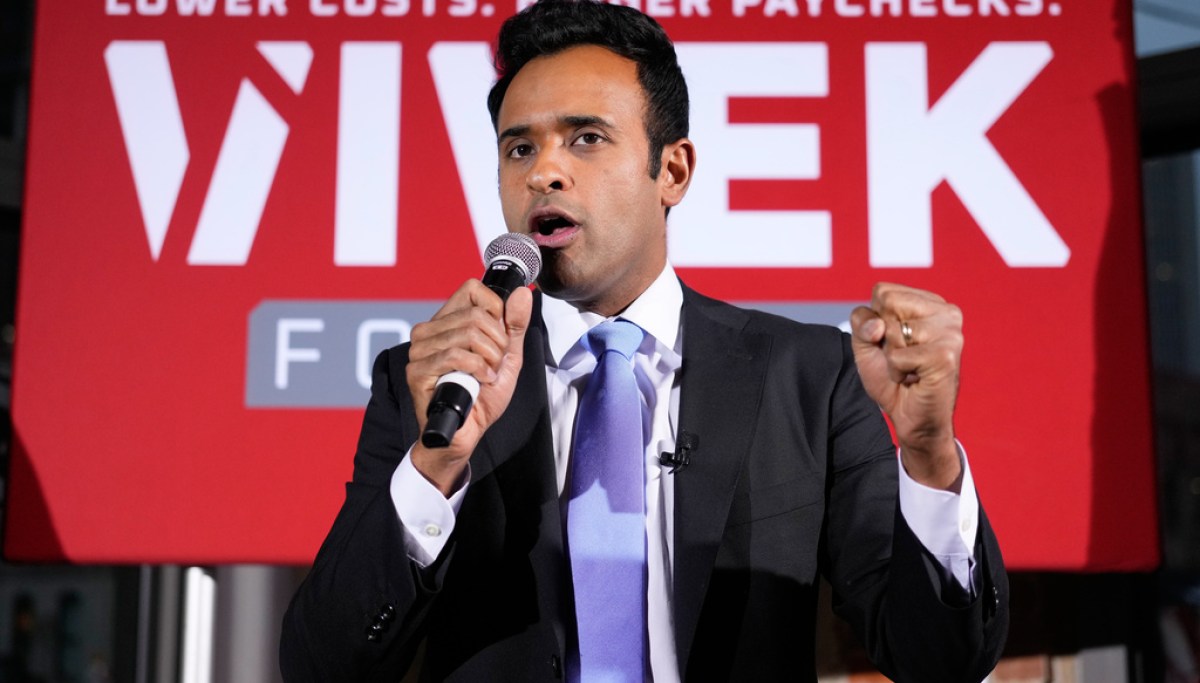
Ohio gubernatorial race shifts toward Democrats as Ramaswamy weaknesses come to the fore
POLITICSTrending Righttrust 76
Ohio gubernatorial race shifts toward Democrats as Ramaswamy weaknesses come to the fore

Why it mattersOhio’s governor’s seat tilted toward the Democratic Party’s favor, as Republican gubernatorial nominee Vivek Ramaswamy challenges a rival with broad name recognition.  The Cook Political Report on Wednesday shifted …

Ohio’s governor’s seat tilted toward the Democratic Party’s favor, as Republican gubernatorial nominee Vivek Ramaswamy challenges a rival with broad name recogn…

ChellaBy Chella·7m ago
WireWashington Examiner
Full Analysis Comment PostRead →
Democratic Socialists of America want to ‘tear the whole’ country down: Joe Concha
POLITICSTrending Righttrust 73
Democratic Socialists of America want to ‘tear the whole’ country down: Joe Concha

Why it mattersWashington Examiner columnist Joe Concha warned against socialist candidates as they continue to win Democratic primaries across the country, arguing the Democratic Socialists of America want to watch “the whole thing bu…

Washington Examiner columnist Joe Concha warned against socialist candidates as they continue to win Democratic primaries across the country, arguing the Democr…

ChellaBy Chella·49m ago
WireWashington Examiner
Full Analysis Comment PostRead →