District Court Says License-Plate Cameras Don't Trigger Fourth Amendment Protections—First Post-Chatrie Test
'/> </pattern> </defs> <rect width='1200' height='675' fill='url(%23g)'/> <rect width='1200' height='675' fill='url(%23dots)'/> <rect x='60' y='210' width='6' height='80' fill='%23f5a524'/> <text x='90' y='268' font-size='15' font-weight='900' letter-spacing='5' fill='%23f5a524'>BUSINESS</text> <g font-family='Inter, Arial, sans-serif'> <text x='60' y='320' font-size='44' font-weight='800' fill='rgba(255,255,255,0.97)' letter-spacing='-0.5'>District Court Says License-Plate</text><text x='60' y='376' font-size='44' font-weight='800' fill='rgba(255,255,255,0.97)' letter-spacing='-0.5'>Cameras Don't Trigger Fourth Amendment</text><text x='60' y='432' font-size='44' font-weight='800' fill='rgba(255,255,255,0.97)' letter-spacing='-0.5'>Protections—First Post-Chatrie Test…</text> <text x='60' y='620' font-size='14' font-weight='700' letter-spacing='3' fill='rgba(255,255,255,0.7)'>REASON · NEWSEZE</text> </g> </svg>)
A federal court has now clarified how privacy law applies to Flock cameras, the automated license-plate readers cities use at scale, shaping whether law enforcement needs warrants to use mass surveillance tools.
Sourcing & attribution. Newseze provides AI-curated summaries, narrative framing, and editorial analysis. The underlying reporting was contributed by Reason; tap “Open original source” above to read their full reporting and support the contributing newsroom directly.
Newseze's algorithm reads the story and answers your question — calmly, factually, with source attribution. No comments, no flame wars — just answers.
No questions yet. Be the first.
Answers reflect Newseze's editorial framework applied under fair use (17 U.S.C. § 107). Not financial, legal, medical, or tax advice. Hate speech and racial slurs are blocked.
Related stories

Why it mattersAs AI infrastructure demands surge, states gain tools to prevent utility costs from spiking for ordinary consumers while preserving competitive data center markets.
The bipartisan legislation would create a regulatory framework states could adopt to prevent data center-related energy costs from being passed on to consumers.
 By Michael·2h ago
Why it mattersPresident Donald Trump previously threatened to cut off trade with countries that have trade surpluses with the U.S. if the Fed doesn't cut interest rates.
By Michael·5h ago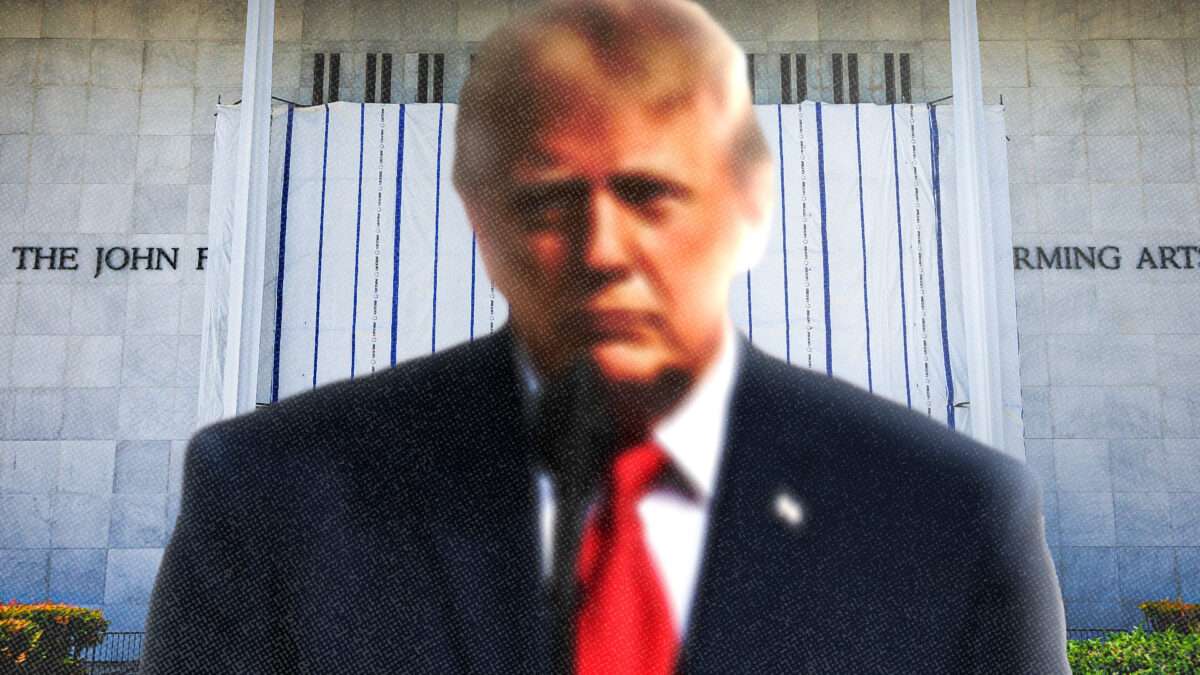
Why it mattersDonald Trump in front of the Kennedy Center
By Michael·13h ago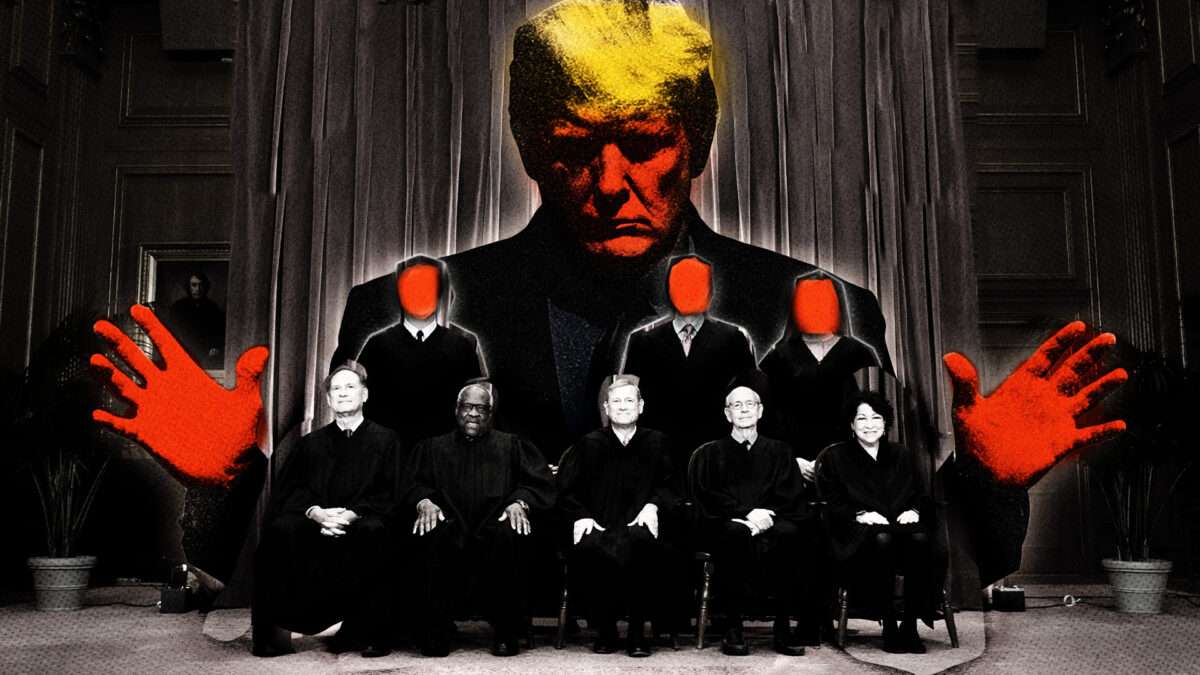
Why it mattersPresident Donald Trump looms over a portrait of the Supreme Court
By Michael·1d ago