Dave Lee: Anthropic Brings ‘Anti-Sell’ Strategy to Its IPO
'/> </pattern> </defs> <rect width='1200' height='675' fill='url(%23g)'/> <rect width='1200' height='675' fill='url(%23dots)'/> <rect x='60' y='210' width='6' height='80' fill='%23f5a524'/> <text x='90' y='268' font-size='15' font-weight='900' letter-spacing='5' fill='%23f5a524'>MARKETS</text> <g font-family='Inter, Arial, sans-serif'> <text x='60' y='320' font-size='44' font-weight='800' fill='rgba(255,255,255,0.97)' letter-spacing='-0.5'>Dave Lee: Anthropic Brings ‘Anti-Sell’</text><text x='60' y='376' font-size='44' font-weight='800' fill='rgba(255,255,255,0.97)' letter-spacing='-0.5'>Strategy to Its IPO</text> <text x='60' y='620' font-size='14' font-weight='700' letter-spacing='3' fill='rgba(255,255,255,0.7)'>BLOOMBERG MARKETS · NEWSEZE</text> </g> </svg>)
Dave Lee, Bloomberg Opinion US Technology Columnist, joins Bloomberg Businessweek Daily to discuss his piece about Anthropic's IPO announcement. Lee writes about the firm's S-1 containing warnings about the company and prospects for huma…
Sourcing & attribution. Newseze provides AI-curated summaries, narrative framing, and editorial analysis. The underlying reporting was contributed by Bloomberg Markets; tap “Open original source” above to read their full reporting and support the contributing newsroom directly.
Newseze's algorithm reads the story and answers your question — calmly, factually, with source attribution. No comments, no flame wars — just answers.
No questions yet. Be the first.
Answers reflect Newseze's editorial framework applied under fair use (17 U.S.C. § 107). Not financial, legal, medical, or tax advice. Hate speech and racial slurs are blocked.
Related stories
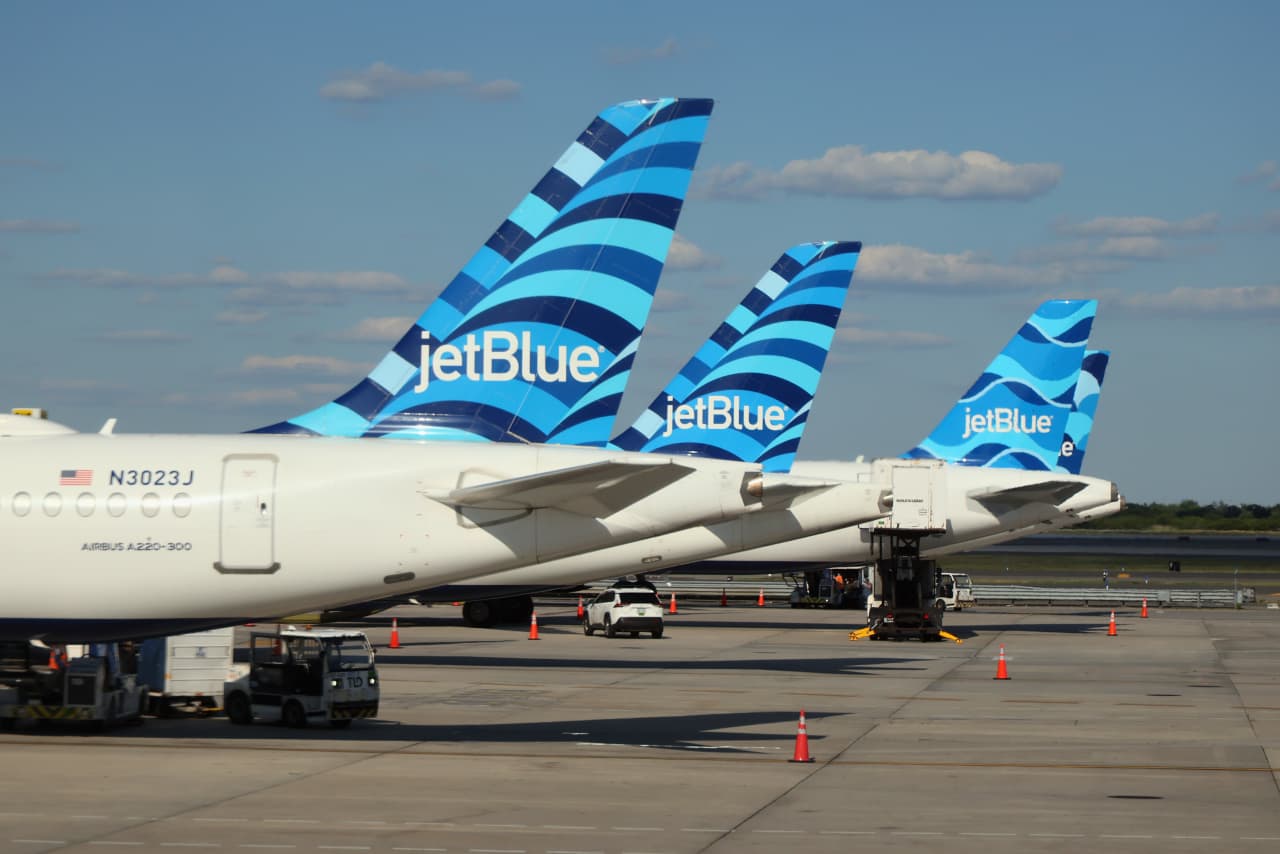
Why it mattersJetBlue’s stock rises more than 20% as a new profit target helps calm fears about the airline’s viability.
 By Michael·9h ago

Why it mattersBig life decisions in your 30s and 40s will determine just how well you retire.
By Michael·12h ago
Why it matters“Consider some familiar examples of poor decisions: accumulating credit-card debt or failing to plan for retirement.”
By Michael·14h ago'/> </pattern> </defs> <rect width='1200' height='675' fill='url(%23g)'/> <rect width='1200' height='675' fill='url(%23dots)'/> <rect x='60' y='210' width='6' height='80' fill='%23f5a524'/> <text x='90' y='268' font-size='15' font-weight='900' letter-spacing='5' fill='%23f5a524'>MARKETS</text> <g font-family='Inter, Arial, sans-serif'> <text x='60' y='320' font-size='44' font-weight='800' fill='rgba(255,255,255,0.97)' letter-spacing='-0.5'>New Zealand Dollar Slides Most Versus</text><text x='60' y='376' font-size='44' font-weight='800' fill='rgba(255,255,255,0.97)' letter-spacing='-0.5'>Aussie Since 2017 on RBNZ</text> <text x='60' y='620' font-size='14' font-weight='700' letter-spacing='3' fill='rgba(255,255,255,0.7)'>BLOOMBERG MARKETS · NEWSEZE</text> </g> </svg>)
Why it mattersThe New Zealand dollar tumbled after the central bank unexpectedly kept its policy rate on hold, defying economists’ forecasts for an interest-rate hike.
By Michael·24m ago