Tuesday, June 16, 2026
NewsezeNews with Rewards · Earn while you read
+5 credits / query
local

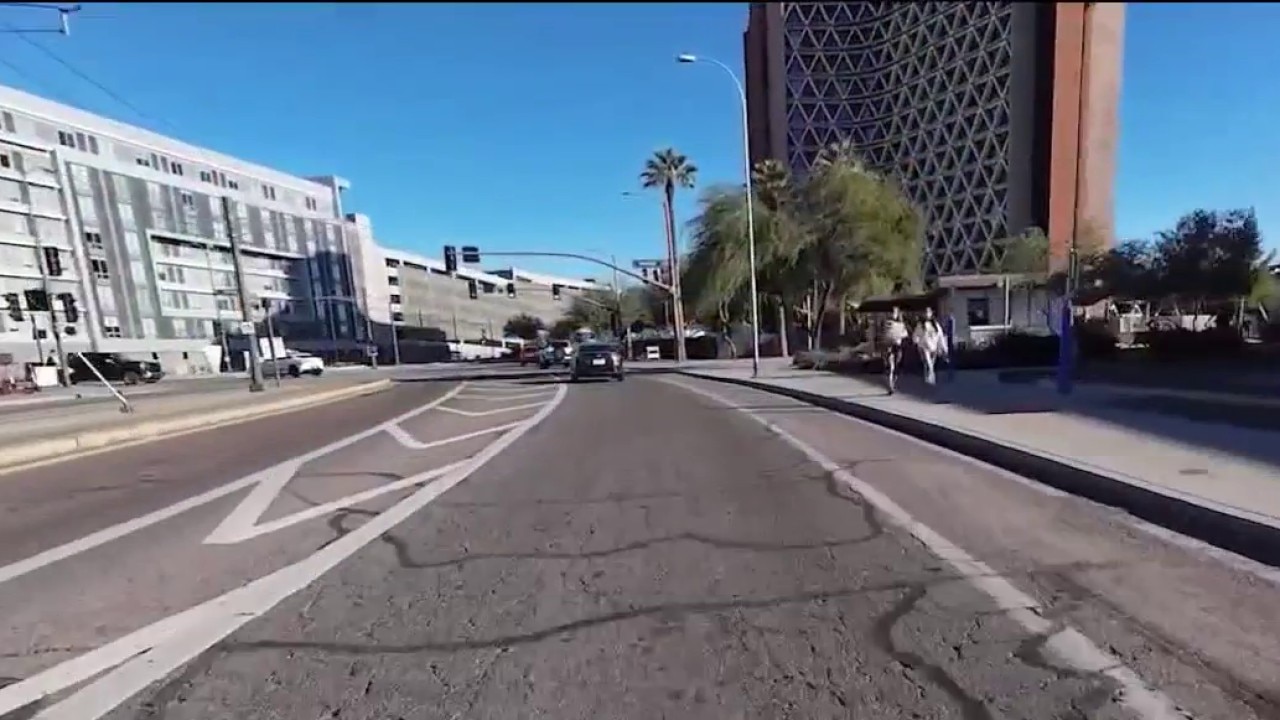
Tempe cuts speed limits 5 mph on seven major roads to manage pedestrian and e-bike safety
Newseze Wire·Sun, Jun 14, 12:13 AMWire: Fox 10 Phoenix
Open original source Read full story (in-site)
Tempe cuts speed limits 5 mph on seven major roads to manage pedestrian and e-bike safety

The policy tests whether modest speed reductions can reduce accidents without severely hampering traffic flow—a common tradeoff cities face as urban transportation becomes more mixed.

Sourcing & attribution. Newseze provides AI-curated summaries, narrative framing, and editorial analysis. The underlying reporting was contributed by Fox 10 Phoenix; tap “Open original source” above to read their full reporting and support the contributing newsroom directly.

Newseze Analysis438 words · original commentary
# Tempe's Modest Experiment in Traffic Calming: What Lower Speed Limits Reveal About Urban Safety Trade-offs Tempe, Arizona has reduced speed limits by 5 miles per hour on seven major roads in an effort to improve safety for pedestrians and e-bike riders. The move reflects a broader trend in city planning: the hypothesis that incremental speed reductions can meaningfully cut accident rates while preserving reasonable traffic flow for commuters. It's a pragmatic test of whether modest policy changes can address rising concerns about mixed-use urban mobility without imposing severe costs on the driving public—a question many mid-sized American cities are now attempting to answer. The calculus behind such reductions is rooted in physics and traffic safety research. Lower speeds reduce stopping distances and impact severity; a pedestrian struck at 20 mph has a far better survival chance than one hit at 30 mph. Yet speed limits are also instrumental: they affect commute times, commercial logistics, and public tolerance for transportation policy. Tempe's 5 mph reduction sits in the middle ground—conservative enough to be implementable without triggering widespread public backlash, but substantial enough (in controlled conditions) to measurably affect crash outcomes. The seven-road test is methodologically sound: it allows the city to gather collision and injury data before scaling the policy citywide. Whether the reductions actually correlate with fewer accidents—rather than merely shifting traffic patterns—will depend on rigorous before-and-after analysis. Cities often find that isolated interventions have smaller effects than modeled; enforcement consistency and driver compliance matter enormously. The underlying tension here is genuinely difficult to resolve. Tempe's growing e-bike and pedestrian populations represent legitimate safety interests; so do commuters trying to move efficiently through the city. This is not ideological; it's operational. Well-executed speed management can reduce accidents without crippling urban mobility, but poorly designed interventions—sudden limits without supporting infrastructure, inconsistent enforcement, or changes that redirect traffic to residential side streets—can create new problems. Tempe's decision to test on major roads specifically is sensible; those corridors already carry mixed traffic and likely have clearer data-collection infrastructure. **Worth knowing:** The real insight from Tempe's move isn't the 5 mph number itself, but the underlying acknowledgment that American cities are now managing transportation systems fundamentally different from those of a generation ago. E-bikes, shared scooters, and rising urban populations have changed the equation. Cities trying incremental, data-driven interventions—rather than sweeping bans or radical redesigns—are taking a measured approach that respects both safety and functionality. Watch whether Tempe's accident data actually improves, and whether the findings get adopted elsewhere. That will tell us whether modest speed reductions work in practice, or whether cities need more comprehensive solutions. Reporting: Fox 10 Phoenix.

Across the aisle

Same story · other lanes

Here's how the same story is being covered by outlets in other lanes. Read both — Newseze doesn't pick a side.

All lanes still pass Newseze's calm filters (no drama, no conspiracy, respect baseline).
Reader CommentsBe the first reader · Subscribe to join

No comments yet. Be the first.

Related stories

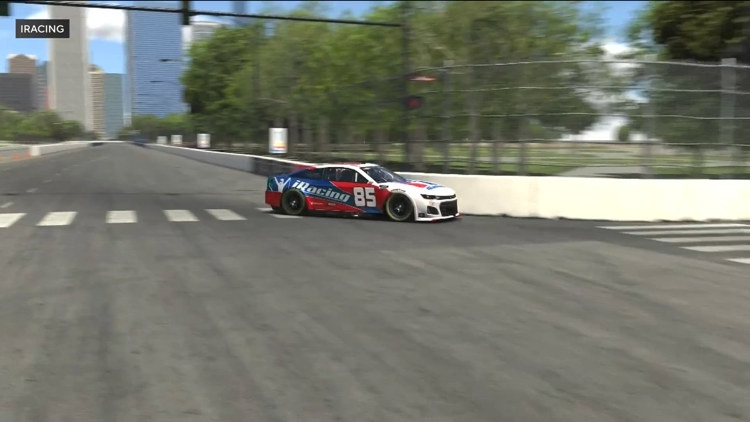
NASCAR Brings Historic Race to Naval Base Coronado During Navy's 250th Anniversary
LOCALTrending Righttrust 83
NASCAR Brings Historic Race to Naval Base Coronado During Navy's 250th Anniversary

Why it mattersThe unprecedented event celebrates the Navy's milestone while drawing significant public attention to an active military installation, marking a rare convergence of motorsports and military heritage.

Thousands of fans expected as stock cars take on a temporary course built on an active military base during the Navy's 250th anniversary celebration.

MarcusBy Marcus·7h ago
WireCBS 8 San Diego
Full Analysis Comment PostRead →
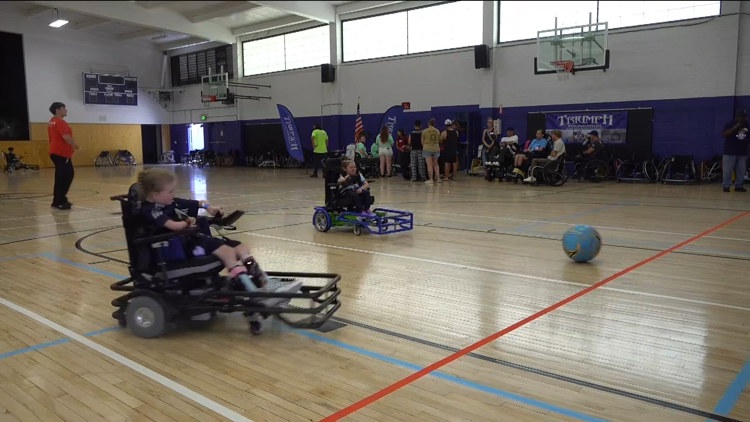
Oceanside's Beachside Blast Returns, Expanding Adaptive Sports Access for Athletes with Disabilities
LOCALtrust 89
Oceanside's Beachside Blast Returns, Expanding Adaptive Sports Access for Athletes with Disabilities

Why it mattersCommunity sports initiatives like this one expand real opportunity for disabled athletes and build local engagement; the second-year success suggests sustainable momentum for inclusive recreation.

The Triumph Foundation's Beachside Blast returned to Oceanside, giving people with disabilities the chance to try adaptive sports and build community.

ChellaBy Chella·1d ago
WireCBS 8 San Diego
Full Analysis Comment PostRead →