House passes bill to 'ditch the switch' and make daylight saving time permanent
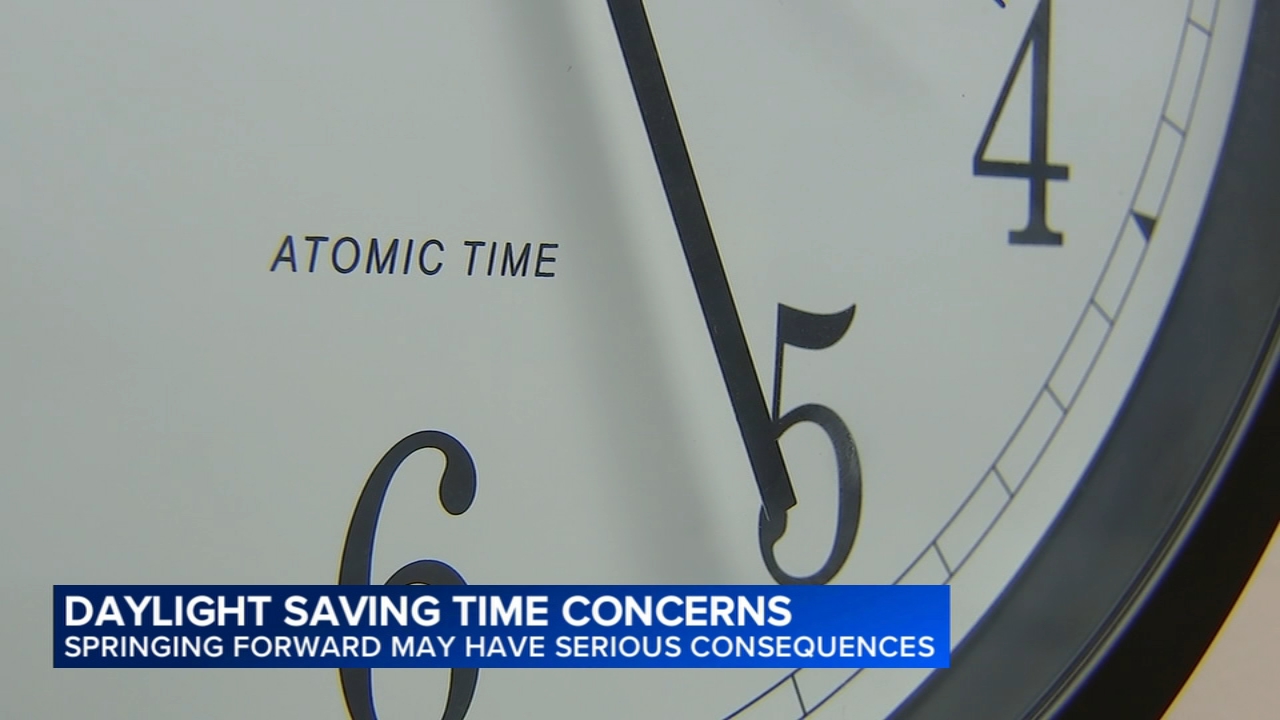
The Senate passed a bill four years ago to make daylight saving time permanent, but it stalled in the House.
Sourcing & attribution. Newseze provides AI-curated summaries, narrative framing, and editorial analysis. The underlying reporting was contributed by ABC 7 Los Angeles; tap “Open original source” above to read their full reporting and support the contributing newsroom directly.
Across the aisle
Same story · other lanesHere's how the same story is being covered by outlets in other lanes. Read both — Newseze doesn't pick a side.
Newseze's algorithm reads the story and answers your question — calmly, factually, with source attribution. No comments, no flame wars — just answers.
No questions yet. Be the first.
Answers reflect Newseze's editorial framework applied under fair use (17 U.S.C. § 107). Not financial, legal, medical, or tax advice. Hate speech and racial slurs are blocked.
Related stories

Why it mattersEarly detection of SMA through routine heel prick tests can unlock treatment options that dramatically improve outcomes, shifting a once-fatal diagnosis into a manageable condition when caught before symptoms appear.
All newborn babies are set to have a heel prick test for Spinal Muscular Atrophy (SMA) in England.
 By Chella·2h ago
'/> </pattern> </defs> <rect width='1200' height='675' fill='url(%23g)'/> <rect width='1200' height='675' fill='url(%23dots)'/> <rect x='60' y='210' width='6' height='80' fill='%23f5a524'/> <text x='90' y='268' font-size='15' font-weight='900' letter-spacing='5' fill='%23f5a524'>LOCAL</text> <g font-family='Inter, Arial, sans-serif'> <text x='60' y='320' font-size='44' font-weight='800' fill='rgba(255,255,255,0.97)' letter-spacing='-0.5'>US airstrikes hit northern Iran as it</text><text x='60' y='376' font-size='44' font-weight='800' fill='rgba(255,255,255,0.97)' letter-spacing='-0.5'>disables ship trying to run the</text><text x='60' y='432' font-size='44' font-weight='800' fill='rgba(255,255,255,0.97)' letter-spacing='-0.5'>blockade…</text> <text x='60' y='620' font-size='14' font-weight='700' letter-spacing='3' fill='rgba(255,255,255,0.7)'>PHILADELPHIA INQUIRER · NEWSEZE</text> </g> </svg>)
Why it mattersThe United States has intensified its strikes targeting Iran, hitting targets further north
By Chella·1h ago
Why it mattersDramatic moments in a Phoenix courtroom as trial begins for Tyler Moldovan shooting suspect; Arizona police chief vows to prosecute own nephew over gun incident; and more - here's a look at your top stories this evening.
By Chella·1h ago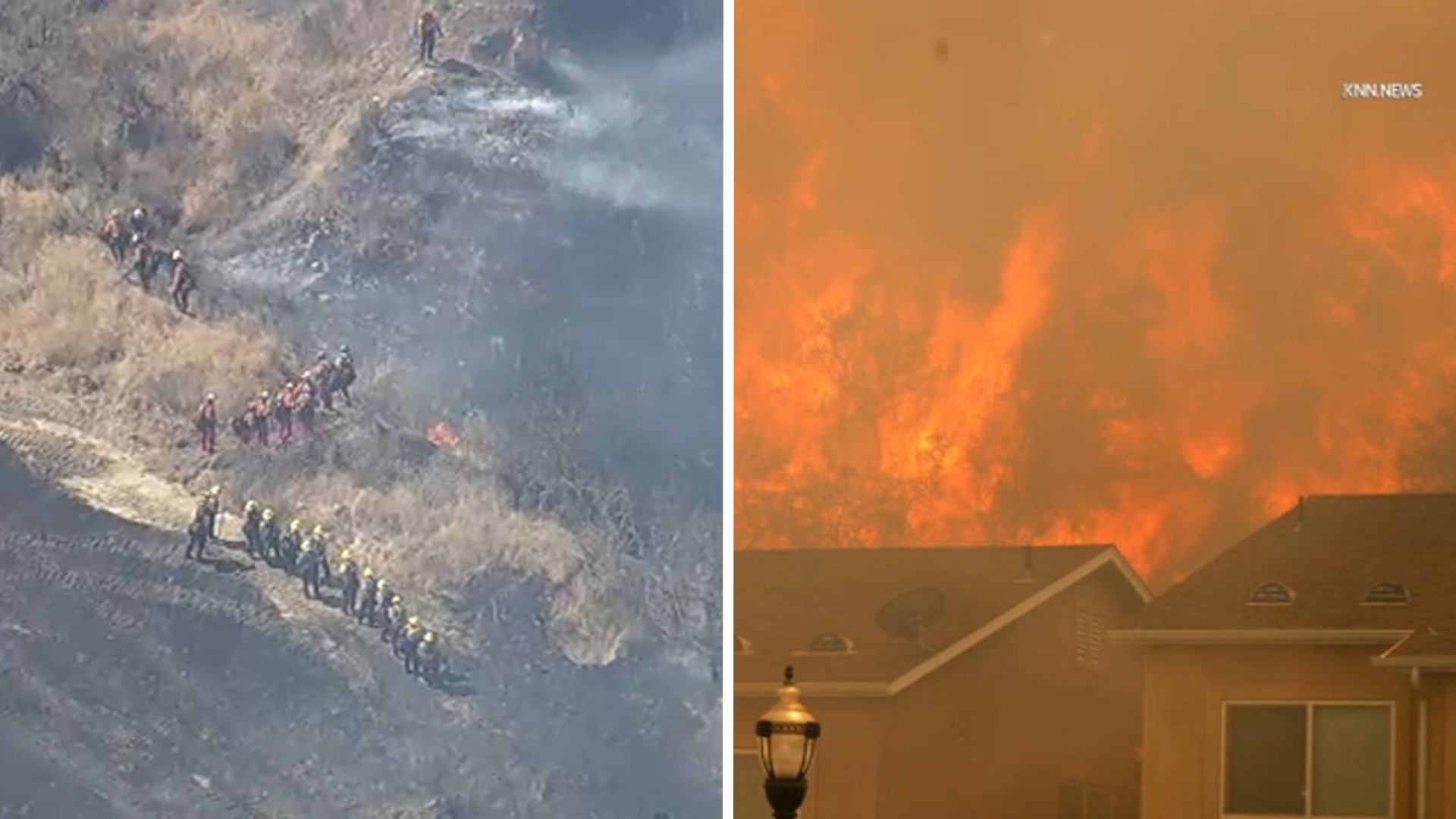
Why it mattersQuick containment prevented major property loss and allowed residents to return home, but the incident underscores rising wildfire risk as Southern California enters peak fire season under dangerous heat conditions.
A brush fire that erupted in Santa Clarita prompted evacuation warnings, but crews quickly got it under control despite the extreme heat and difficult condition…
By Chella·3h ago