Thursday, July 2, 2026
NewsezeNews with Rewards · Earn while you read
+5 credits / query
local

DeWine rejects new mail-in voting hurdles in Ohio in vetoing HB 472

Newseze Wire·Tue, Jun 30, 11:42 PMWire: Cleveland.com
Open original source Read full story (in-site)
DeWine rejects new mail-in voting hurdles in Ohio in vetoing HB 472

Fortunately, Gov. DeWine saw through the election-integrity ruse and chose to protect access to the ballot box by vetoing HB 472.

Sourcing & attribution. Newseze provides AI-curated summaries, narrative framing, and editorial analysis. The underlying reporting was contributed by Cleveland.com; tap “Open original source” above to read their full reporting and support the contributing newsroom directly.

Newseze Analysis397 words · original commentary
# Ohio Governor Rejects New Voting Restrictions, Protects Mail-In Access Governor Mike DeWine has vetoed House Bill 472, rejecting proposed restrictions on mail-in voting in Ohio. The measure would have introduced additional procedural requirements for voters using absentee ballots, but DeWine determined the changes would create unnecessary barriers without demonstrable benefits to election administration or security. His decision preserves Ohio's current mail-in voting framework, which has functioned without significant incident in recent election cycles. The veto reflects a practical tension in election policy: balancing legitimate verification procedures against operational accessibility. HB 472 supporters argued the new requirements would strengthen security protocols, yet the bill faced skepticism from election officials and voting-rights advocates who questioned whether the added steps solved real problems or simply complicated voting for citizens with valid reasons to cast ballots remotely—including military personnel, the elderly, and those with mobility limitations. DeWine's analysis apparently concluded that Ohio's existing safeguards adequately protect against fraud while maintaining reasonable access. This positions Ohio differently than some neighboring states, which have tightened mail-in procedures in recent years; the governor essentially chose to hold the current line rather than shift further toward restriction. The episode illustrates how election reform debates often divide along different fault lines than partisan affiliation alone. While voting-access and voting-security concerns sometimes align with party interests, they don't always. Republican governors like DeWine have rejected certain restrictions when convinced they create more problems than they solve, while some Democratic officials have supported tighter verification procedures. Ohio's mail-in system has processed millions of ballots across multiple general elections with low documented fraud rates, which likely informed DeWine's judgment that additional hurdles weren't necessary. The veto also reflects institutional learning: election officials in counties across Ohio presumably communicated their operational concerns to the governor's office, and those on-the-ground perspectives carry weight in governors' decision-making on election administration. Worth knowing: DeWine's veto suggests that election-reform debates in states like Ohio may be moving toward narrower, more evidence-based terrain. Rather than sweeping expansions or contractions of mail-in voting, voters and officials appear increasingly focused on specific procedural questions: Does this change solve a documented problem? Will it complicate voting for people entitled to it? Can election administrators implement it reliably? When governors apply pragmatic tests rather than ideological litmus tests, the results may look less dramatic than either side of the national debate prefers—but they're often more stable. Reporting: Cleveland.com
Ask Us · Any Story, Any AnswerBe the first to ask

Newseze's algorithm reads the story and answers your question — calmly, factually, with source attribution. No comments, no flame wars — just answers.

No questions yet. Be the first.

Answers reflect Newseze's editorial framework applied under fair use (17 U.S.C. § 107). Not financial, legal, medical, or tax advice. Hate speech and racial slurs are blocked.

Related stories
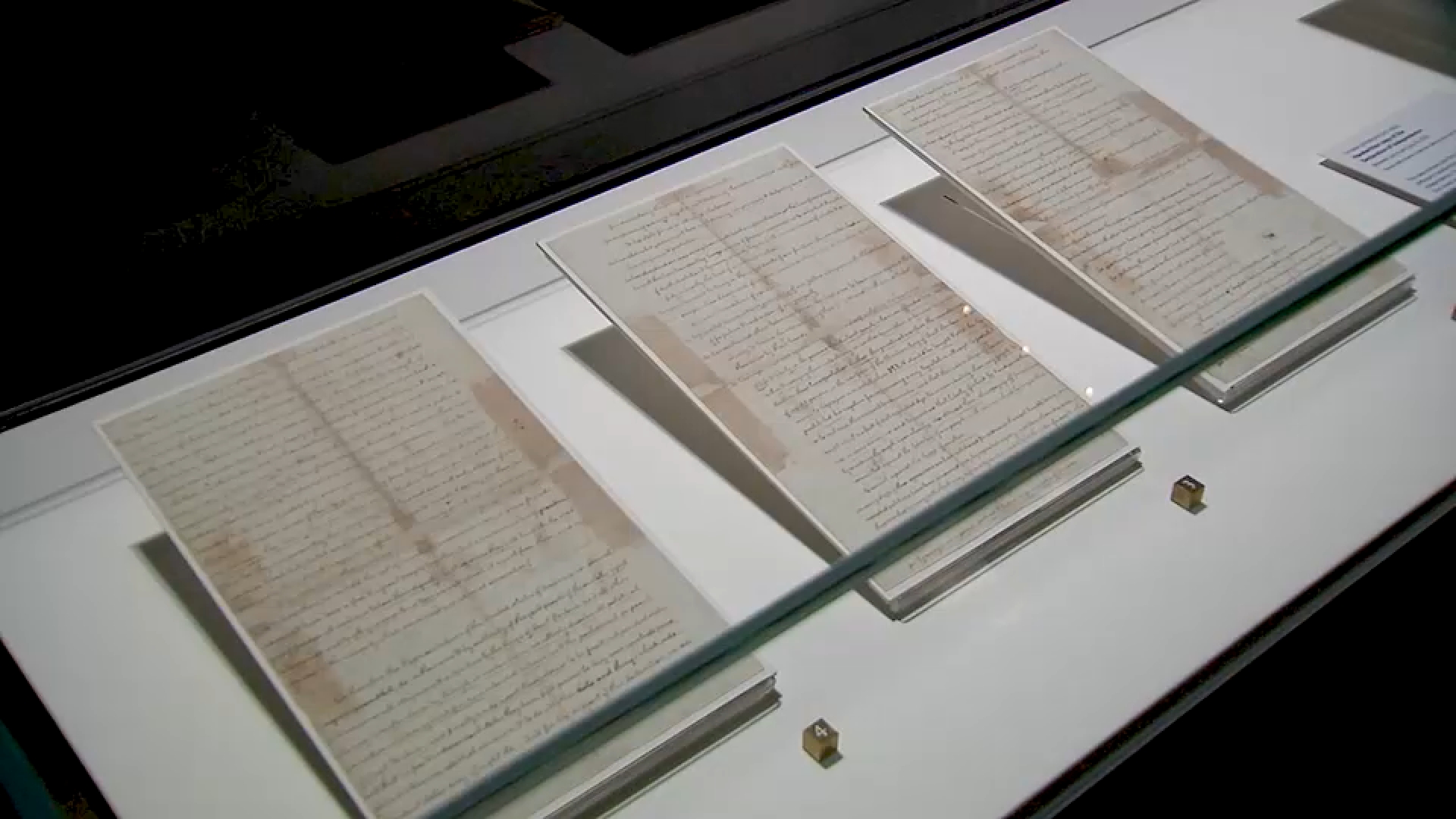
New York Public Library opens rare Jefferson manuscript to visitors this month
LOCALtrust 97
New York Public Library opens rare Jefferson manuscript to visitors this month

Why it mattersOne of the nation's founding documents in Thomas Jefferson's own hand is now accessible to the public, allowing New Yorkers a rare chance to witness the constitutional origins of American law and liberty.

Visitors with tickets can view the manuscript which is handwritten by Thomas Jefferson.

ChellaBy Chella·1h ago
WireABC 7 New York
Full Analysis Comment PostRead →
Brooklyn Launches Affordable Housing Complex with Rents Starting at $777
LOCALtrust 87
Brooklyn Launches Affordable Housing Complex with Rents Starting at $777

Why it mattersAs New York faces a severe housing shortage, a new mixed-income residential development offers immediate options for working families earning between $30K and $183K annually, demonstrating one market-based approach to th…

NEW YORK (PIX11) -- A New affordable housing opportunity with an outdoor terrace, an elevator, and high-speed internet will offer dozens of rental units beginni…

ChellaBy Chella·2h ago
WirePIX 11 New York
Full Analysis Comment PostRead →
Sharp Tri-City partnership secures $100M for upgrades
LOCALTrending Righttrust 73
Sharp Tri-City partnership secures $100M for upgrades

Why it mattersSharp HealthCare has partnered with the Tri-City Healthcare District to operate the newly renamed Sharp Tri-City Medical Center in northern San Diego County. The 30-year partnership, which was approved by voters in a 92.…

Sharp HealthCare has partnered with the Tri-City Healthcare District to operate the newly renamed Sharp Tri-City Medical Center in northern San Diego County. Th…

ChellaBy Chella·5h ago
WireFox 5 San Diego
Full Analysis Comment PostRead →