Thursday, June 18, 2026
NewsezeNews with Rewards · Earn while you read
+5 credits / query
local

San Andreas Fault hits highest stress level in 1,000 years, study finds
Newseze Wire·Mon, Jun 15, 11:52 PMWire: ABC 7 Los Angeles
Open original source Read full story (in-site)
San Andreas Fault hits highest stress level in 1,000 years, study finds

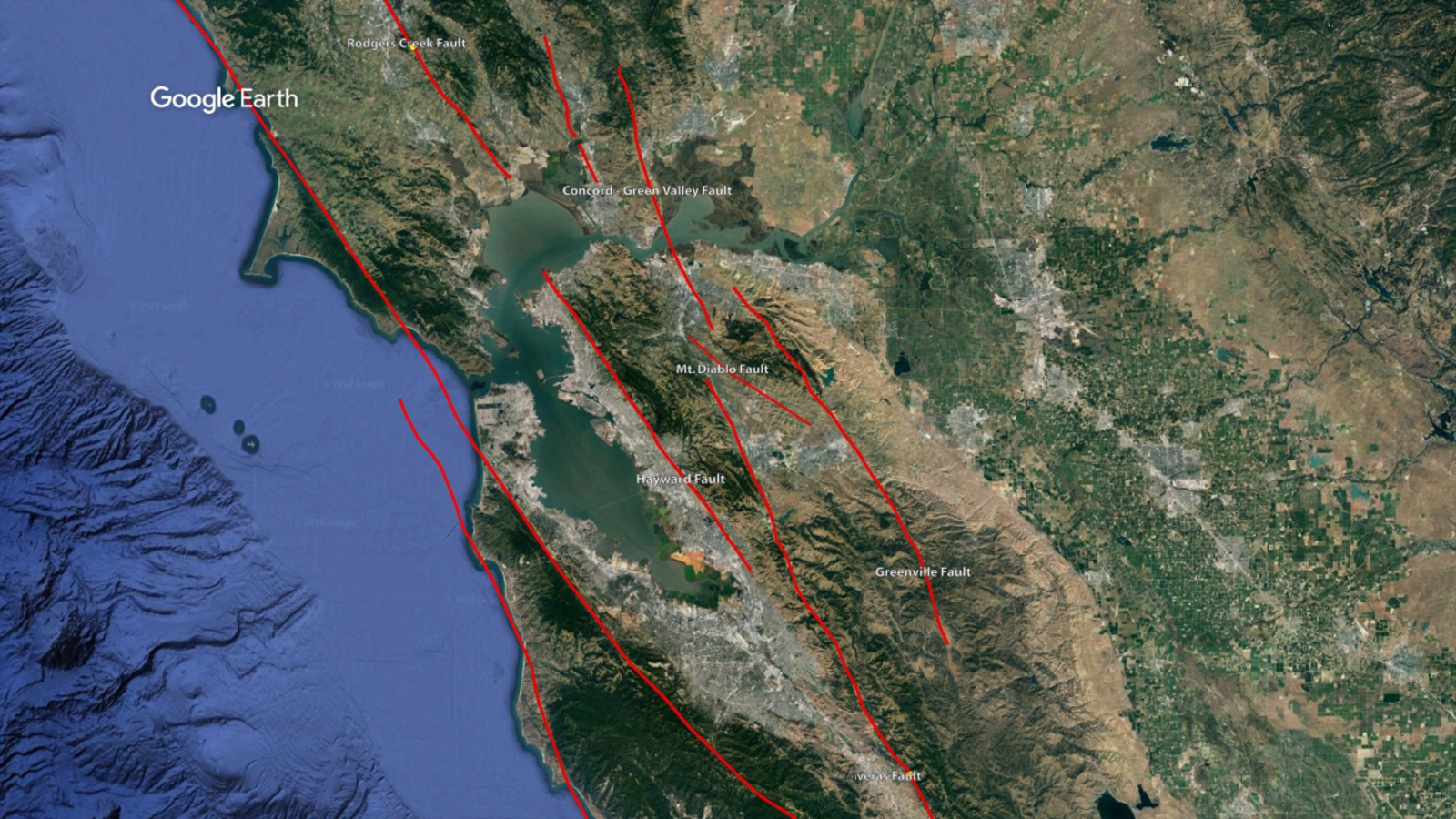
Stress along the San Andreas and San Jacinto faults in Southern California has reached the highest levels in 1,000 years, according to new research from the University of Hawaiʻi at Mānoa.

Sourcing & attribution. Newseze provides AI-curated summaries, narrative framing, and editorial analysis. The underlying reporting was contributed by ABC 7 Los Angeles; tap “Open original source” above to read their full reporting and support the contributing newsroom directly.

Newseze Analysis416 words · original commentary
# San Andreas Fault Stress Reaches Millennium-High: What Researchers Found Seismic stress along California's San Andreas and San Jacinto faults has climbed to its highest measurable levels in approximately 1,000 years, according to research from the University of Hawaiʻi at Mānoa. The finding adds new data to long-standing questions about when—and how severely—the region might experience a major earthquake. While the research doesn't predict an imminent quake, it underscores the physical forces building beneath Southern California and raises questions about seismic preparedness in one of America's most densely populated regions. The study's significance lies in its methodology and scope. Researchers reconstructed historical stress patterns by examining geological records and modeling current conditions, allowing them to place today's stress levels in a millennial context. High stress doesn't automatically trigger earthquakes; rather, it indicates the accumulated force awaiting release. Think of it as a stretched spring holding more tension than it has in ten centuries. This matters because stress accumulation is one piece of the earthquake risk puzzle. The San Andreas Fault system, which extends roughly 800 miles through California, has produced major earthquakes throughout recorded history—most notably the 1906 San Francisco quake and the 1994 Northridge event near Los Angeles. Understanding stress buildup helps seismologists refine forecasts about the likelihood and potential magnitude of future events. The University of Hawaiʻi research contributes peer-reviewed data to that ongoing effort, though predicting *when* an earthquake will strike remains beyond current scientific capability. For Southern California residents and policymakers, the findings reinforce existing risk assessments rather than dramatically altering them. The U.S. Geological Survey already identifies the San Andreas system as carrying elevated earthquake risk. Building codes, emergency preparedness initiatives, and infrastructure planning in California account for significant seismic hazards. This new research doesn't change those baseline realities but does strengthen the scientific case for continued investment in earthquake-resistant construction, early warning systems, and public education. The study may also prompt insurance and risk-management discussions among property owners and municipalities. Evidence quality appears solid—university-based seismic research undergoes peer review and builds on decades of accumulated geological data—though like all predictive science, it carries inherent uncertainties. **Worth knowing:** Stress levels hitting a 1,000-year high sounds alarming but requires context. California already operates under the assumption of significant seismic risk. This research validates that caution and highlights why earthquake preparedness—maintaining emergency supplies, securing heavy furniture, knowing how to respond—remains sensible for anyone living near active fault zones. The finding is scientifically noteworthy without being cause for panic. Reporting: ABC 7 Los Angeles.

Across the aisle

Same story · other lanes

Here's how the same story is being covered by outlets in other lanes. Read both — Newseze doesn't pick a side.

All lanes still pass Newseze's calm filters (no drama, no conspiracy, respect baseline).
Ask Us · Any Story, Any AnswerBe the first to ask

Newseze's algorithm reads the story and answers your question — calmly, factually, with source attribution. No comments, no flame wars — just answers.

No questions yet. Be the first.

Answers reflect Newseze's editorial framework applied under fair use (17 U.S.C. § 107). Not financial, legal, medical, or tax advice. Hate speech and racial slurs are blocked.

Related stories

Poland pitches permanent U.S. military base; Washington shows interest in bolstering Eastern European presence
LOCALTrending Righttrust 83
Poland pitches permanent U.S. military base; Washington shows interest in bolstering Eastern European presence

Why it mattersA permanent U.S. base in Poland would signal deeper NATO commitment to Eastern Europe amid Russian aggression and reshape the regional military balance that has shifted significantly since 2022.

Poland's deputy defense minister says the U.S. is interested in establishing a permanent military base in Poland

MarcusBy Marcus·7h ago
WirePhiladelphia Inquirer
Full Analysis Comment PostRead →