Sunday, June 21, 2026
NewsezeNews with Rewards · Earn while you read
+5 credits / query
markets

Oil Set for Deep Weekly Loss as Hormuz Traffic Starts to Pick Up
Newseze Wire·Thu, Jun 18, 10:04 PMWire: Bloomberg Markets
Open original source Read full story (in-site)
Oil Set for Deep Weekly Loss as Hormuz Traffic Starts to Pick Up

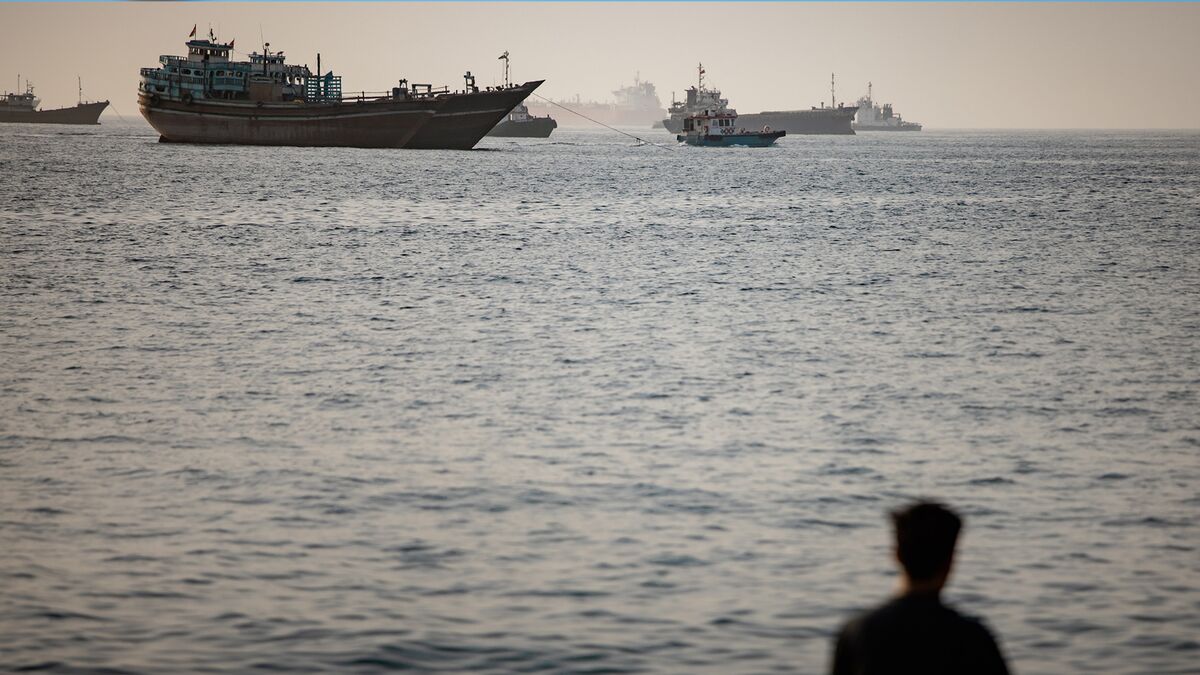
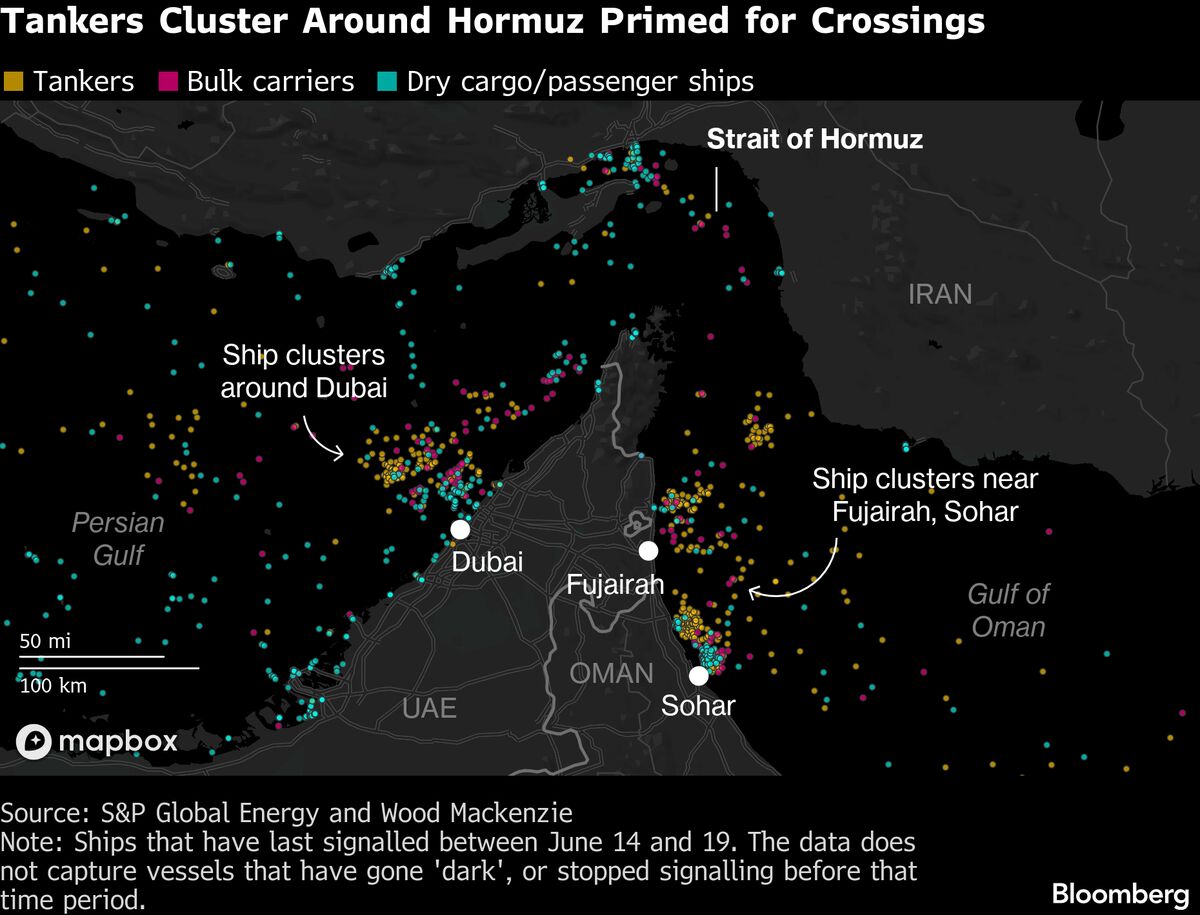
Oil headed for a substantial weekly drop as the US-Iran interim peace deal saw shipping through the Strait of Hormuz start to return to normal, easing the global crude market’s biggest ever supply shock.

Sourcing & attribution. Newseze provides AI-curated summaries, narrative framing, and editorial analysis. The underlying reporting was contributed by Bloomberg Markets; tap “Open original source” above to read their full reporting and support the contributing newsroom directly.

Newseze Analysis439 words · original commentary
# Oil Markets Ease as Strait of Hormuz Returns to Normal Shipping Patterns The global oil market is experiencing a significant weekly decline as geopolitical tensions ease in one of the world's most critical shipping corridors. Following an interim peace agreement between the United States and Iran, traffic through the Strait of Hormuz—the vital waterway through which roughly one-third of seaborne crude oil passes—has begun normalizing. This reduction in supply-chain risk is unwinding the premium that energy markets had priced in during periods of heightened tension, sending crude prices notably lower for the week. The Strait of Hormuz disruption represents what market analysts have characterized as the most severe supply shock the oil market has faced. When geopolitical risk rises in this region, energy traders immediately increase price expectations to compensate for the possibility of blocked shipments, reduced production, or delayed deliveries. The interim agreement appears to have shifted market sentiment substantially, reducing that risk premium as traders gain confidence that commerce can continue uninterrupted. This represents a classic case of markets pricing in probabilities: when the likelihood of a disruption falls, so too does the insurance premium embedded in prices. The magnitude of the weekly loss reflects how significant the tension premium had become. For consumers and policymakers, the implications are mixed. Lower oil prices generally support broader economic activity and reduce inflationary pressure—outcomes most administrations welcome. Energy-dependent sectors like transportation and manufacturing benefit from improved cost predictability. However, the move also reflects a genuine shift in geopolitical risk calculus. The credibility of the peace agreement and the mechanisms for ensuring compliance remain open questions; markets are forward-looking, and sustained price declines will depend on whether normalization holds. Additionally, domestic energy producers operating at higher cost structures may face margin pressure if prices remain depressed, potentially affecting investment in new capacity development. The Hormuz situation illustrates how concentrated global energy infrastructure remains despite decades of diversification efforts. A single chokepoint controlling roughly 30 percent of seaborne oil creates inherent fragility in the global energy system. While this week's agreement is welcome news for price stability, it underscores the ongoing geopolitical risks that can rapidly reshape energy markets with minimal warning. The evidence quality here is strong: actual shipping traffic data and stated agreements provide concrete anchors for the market movements we're observing, rather than speculation about future tensions or hypothetical scenarios. **Worth knowing:** Watch whether the price stability holds and shipping volumes remain normalized. Sustained peace in this corridor could reshape energy markets for years; any reversal would likely trigger sharp, sudden price movements given how tightly markets are now pricing in the agreement's success. Reporting: Bloomberg Markets.
Ask Us · Any Story, Any AnswerBe the first to ask

Newseze's algorithm reads the story and answers your question — calmly, factually, with source attribution. No comments, no flame wars — just answers.

No questions yet. Be the first.

Answers reflect Newseze's editorial framework applied under fair use (17 U.S.C. § 107). Not financial, legal, medical, or tax advice. Hate speech and racial slurs are blocked.

Related stories

Iran Sanctions Losing Efficacy
MARKETSTrending Righttrust 75
Iran Sanctions Losing Efficacy

Why it mattersIn 2015, sanctions played a key role in bringing Iran to the negotiating table but now warfare has been the primary tool. Oliver Wyman Partner and Global Anti-Financial Crime Practice Leader Daniel Tannebaum explains to …

In 2015, sanctions played a key role in bringing Iran to the negotiating table but now warfare has been the primary tool. Oliver Wyman Partner and Global Anti-F…

MichaelBy Michael·16h ago
WireBloomberg Markets
Full Analysis Comment PostRead →
Trump Seeks Iran Offramp
MARKETSTrending Righttrust 75
Trump Seeks Iran Offramp

Why it mattersPresident and Founder of Eurasia Group and GZERO Media Ian Bremmer joins David Gura and Christina Ruffini on Bloomberg This Weekend to discuss how in the face of the United States failing to achieve any of the war goals …

President and Founder of Eurasia Group and GZERO Media Ian Bremmer joins David Gura and Christina Ruffini on Bloomberg This Weekend to discuss how in the face o…

MichaelBy Michael·19h ago
WireBloomberg Markets
Full Analysis Comment PostRead →