Sunday, June 21, 2026
NewsezeNews with Rewards · Earn while you read
+5 credits / query
local

America 250: How the UAW and other labor unions helped shape the nation

Newseze Wire·Thu, Jun 18, 10:06 PMWire: KGTV ABC 10 San Diego
Open original source Read full story (in-site)
America 250: How the UAW and other labor unions helped shape the nation

The weekend. The 40-hour work week.

Sourcing & attribution. Newseze provides AI-curated summaries, narrative framing, and editorial analysis. The underlying reporting was contributed by KGTV ABC 10 San Diego; tap “Open original source” above to read their full reporting and support the contributing newsroom directly.

Newseze Analysis385 words · original commentary
# How Labor Unions Built the American Work Culture We Know Today This weekend marks a moment to reflect on institutions that fundamentally reshaped American life. The United Auto Workers union and other organized labor movements didn't merely negotiate wages—they engineered the entire structure of how modern Americans work. The five-day, 40-hour week that millions now take for granted, the concept of a weekend itself, workplace safety standards, and the employer-employee relationship as we understand it today all emerged from decades of union advocacy, strikes, and legislative battles spanning the late 1800s through the mid-20th century. The historical record is clear on labor's concrete achievements. Before sustained union organizing, a standard workweek routinely exceeded 60 hours, often in dangerous conditions with minimal pay protection. The 40-hour standard, championed vigorously by the UAW and affiliated unions through the 1930s and 1940s, didn't emerge from corporate benevolence—it came through negotiated contracts, political pressure, and the gradual acceptance that worker productivity and consumer purchasing power were linked. Child labor restrictions, workplace injury compensation, and paid leave similarly followed union-led campaigns. These weren't peripheral victories; they rewired the American social contract. The weekend itself became possible only when unions successfully argued that workers deserved time beyond labor and sleep. This historical influence raises important questions for contemporary policy. Modern labor participation has shifted dramatically—union membership in the private sector now hovers around 7 percent, down from roughly 35 percent at mid-century. Some argue this reflects economic evolution and worker preference; others contend it represents lost bargaining power for working Americans. The mechanisms unions used—legislative advocacy, political engagement, strike action—remain available, yet their effectiveness operates in a fundamentally different economic landscape involving globalization, automation, and service-sector dominance rather than manufacturing concentration. Worth knowing: Understanding labor history isn't about endorsing contemporary union strategy wholesale or dismissing legitimate critiques of modern union operations. It's about recognizing that institutions shape daily life in ways we often forget. The weekend wasn't inevitable; it was fought for. Whether current labor organizations adequately represent modern worker interests, and whether new models might better address today's employment challenges, remains an open policy question. But the factual foundation is solid—American workers' quality of life improved measurably because organized labor pushed back against unchecked employer power, creating space for families, community, and rest. Reporting: KGTV ABC 10 San Diego.

Across the aisle

Same story · other lanes

Here's how the same story is being covered by outlets in other lanes. Read both — Newseze doesn't pick a side.

All lanes still pass Newseze's calm filters (no drama, no conspiracy, respect baseline).
Ask Us · Any Story, Any AnswerBe the first to ask

Newseze's algorithm reads the story and answers your question — calmly, factually, with source attribution. No comments, no flame wars — just answers.

No questions yet. Be the first.

Answers reflect Newseze's editorial framework applied under fair use (17 U.S.C. § 107). Not financial, legal, medical, or tax advice. Hate speech and racial slurs are blocked.

Related stories

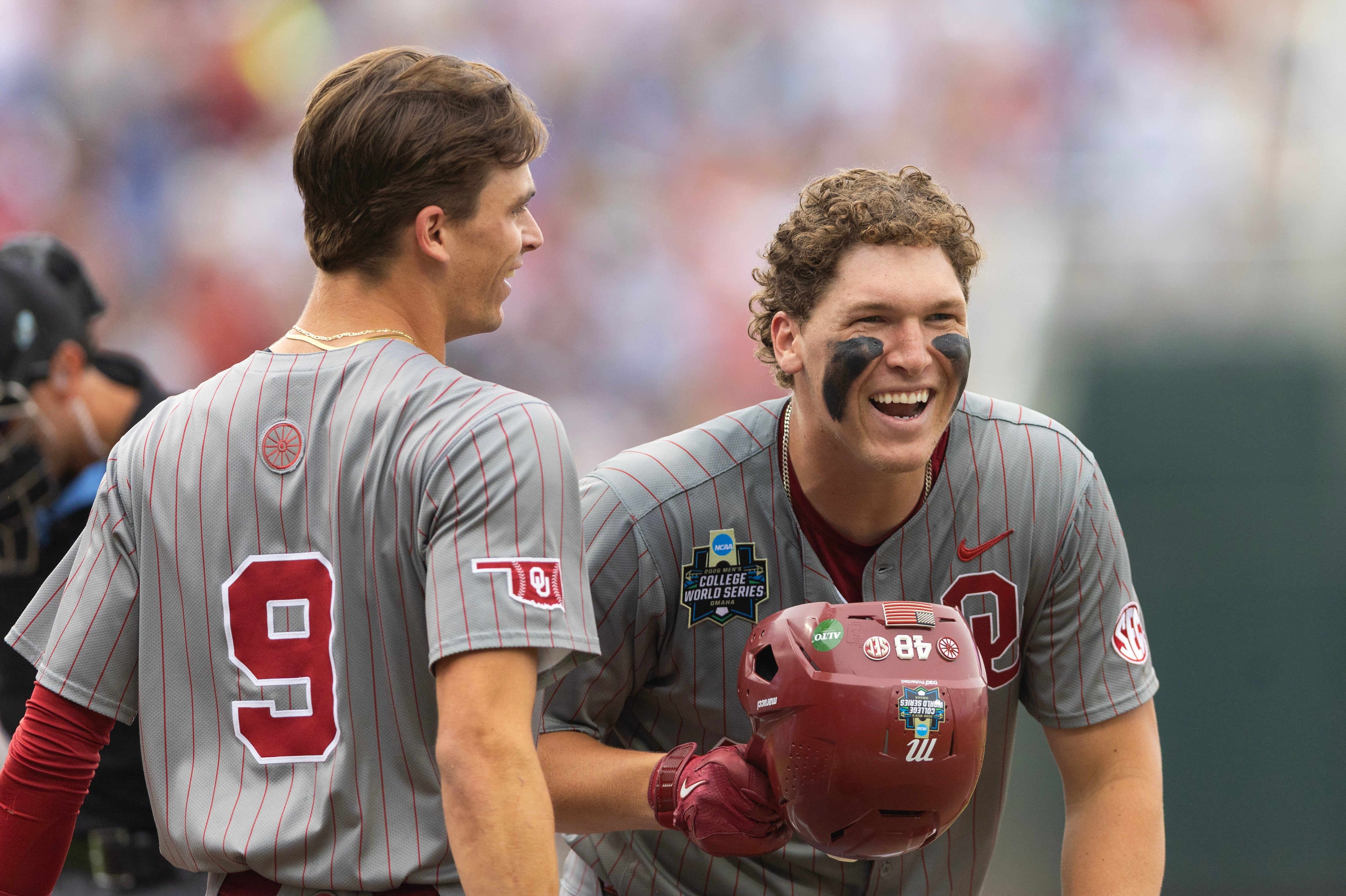
Oklahoma One Win From Title After Routing North Carolina in CWS Finals Game 1
LOCALtrust 100
Oklahoma One Win From Title After Routing North Carolina in CWS Finals Game 1

Why it mattersOklahoma's dominant 9-3 victory puts the program one win away from a national championship, with the series now shifting to Game 2 where North Carolina must avoid elimination.

Deiten Lachance homered twice off North Carolina ace Jason DeCaro, Oklahoma shut down the Tar Heels after the first inning and the Sooners won Game 1 of the Col…

ChellaBy Chella·7h ago
WirePhiladelphia Inquirer
Full Analysis Comment PostRead →