Friday, July 10, 2026
NewsezeNews with Rewards · Earn while you read
+5 credits / query
local

DHS buys two private detention centers previously under lease
Newseze Wire·Wed, Jul 8, 10:23 PMWire: KGTV ABC 10 San Diego
Open original source Read full story (in-site)
DHS buys two private detention centers previously under lease

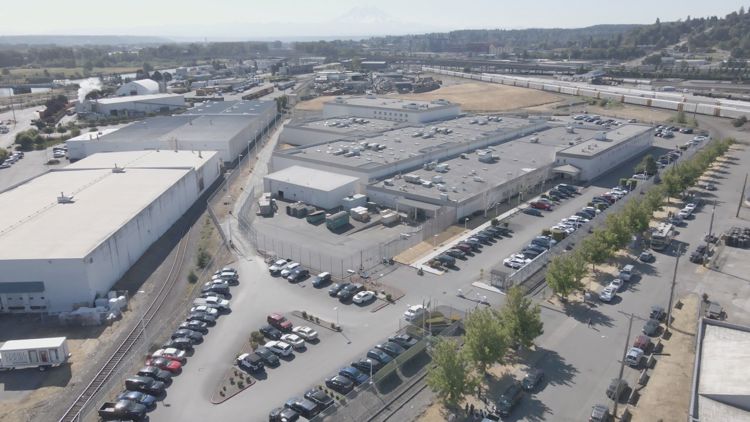
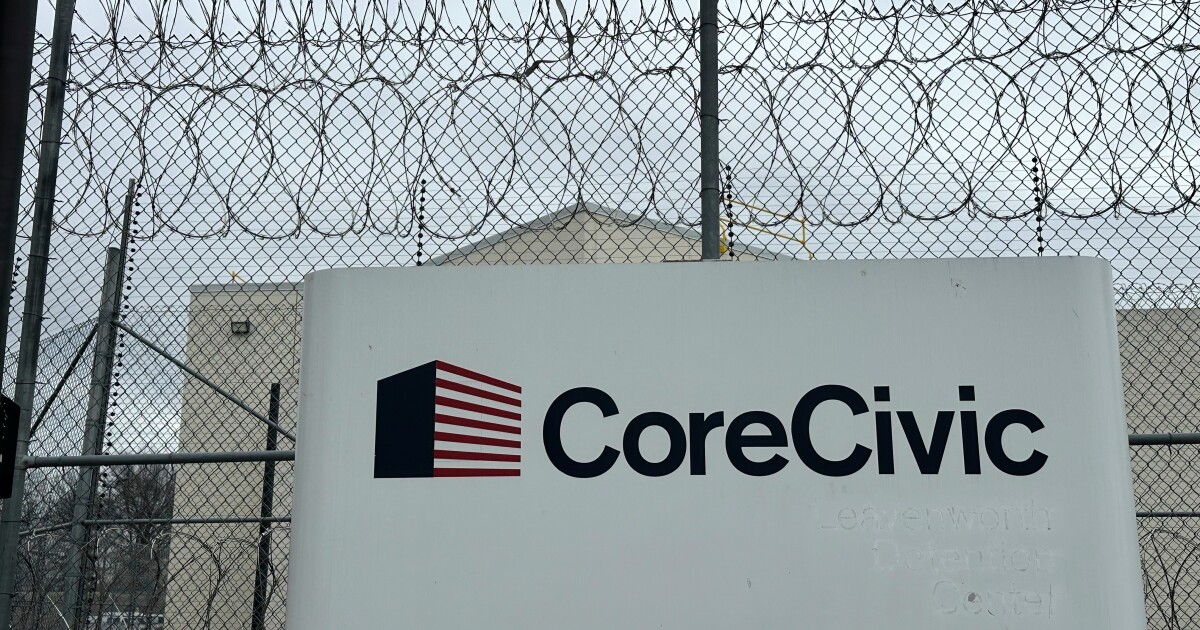
The U.S. Department of Homeland Security has purchased two CoreCivic immigration detention centers in California for $1.5 billion, raising questions about state oversight authority.

Sourcing & attribution. Newseze provides AI-curated summaries, narrative framing, and editorial analysis. The underlying reporting was contributed by KGTV ABC 10 San Diego; tap “Open original source” above to read their full reporting and support the contributing newsroom directly.

Newseze Analysis445 words · original commentary
# DHS Detention Purchase Signals Shift in Immigration Custody Strategy The Department of Homeland Security's acquisition of two CoreCivic detention facilities in California for $1.5 billion marks a significant recalibration in how the federal government manages immigrant custody. Rather than operating under traditional lease agreements that have governed private detention contracts for decades, this outright purchase consolidates ownership and operational control directly under federal authority. The move affects the scale of detention infrastructure available to immigration enforcement and raises substantive questions about state regulatory oversight in an area where jurisdictional boundaries have remained contentious. The practical implications warrant attention from both fiscal and administrative perspectives. Under lease arrangements, states like California retain greater leverage to enforce their own regulations, conduct inspections, and potentially terminate contracts if conditions fall below specified standards. Ownership changes that calculus. When DHS owns facilities outright, the federal government becomes less dependent on state-level compliance frameworks and can exercise more autonomous control over operations. This matters because California has pursued one of the nation's stricter immigration detention regulatory regimes, including efforts to phase out private detention contracts. A direct federal purchase effectively circumvents state-level leverage points. Conversely, proponents of immigration enforcement operations might argue that federal ownership streamlines administrative efficiency and ensures consistent detention standards across facilities. The $1.5 billion expenditure also reflects confidence in maintaining robust detention capacity—a meaningful signal about anticipated enforcement policy under current leadership. The governance question underlying this transaction deserves scrutiny regardless of one's immigration policy stance. When federal agencies purchase property to conduct operations within a state, the interaction between federal authority and state jurisdiction becomes more complex. California's existing regulatory framework may face legal challenges if applied to federally-owned facilities, potentially creating exemption zones from state oversight. Conversely, the state might pursue creative regulatory approaches or legal arguments to preserve its authority. These dynamics typically play out through litigation if neither party backs down, consuming resources on both sides. The extent to which this purchase signals a broader federal strategy—whether it represents simply replacing expiring leases or a more systematic assertion of federal control over detention infrastructure—remains unclear from available reporting. Additional context about lease expiration dates and whether competitive bidding occurred would illuminate whether this was a straightforward contract succession or a more deliberate reorientation. **Worth Knowing:** Federal-state tension over immigration detention reflects deeper constitutional questions about shared authority. This transaction won't be the final word on who controls these facilities or how they operate. Watch for California legislative or legal responses, which will indicate whether the state accepts federal autonomy or pursues regulatory countermeasures. The purchase's long-term cost-effectiveness compared to lease arrangements will also merit monitoring. Reporting: KGTV ABC 10 San Diego.
Ask Us · Any Story, Any AnswerBe the first to ask

Newseze's algorithm reads the story and answers your question — calmly, factually, with source attribution. No comments, no flame wars — just answers.

No questions yet. Be the first.

Answers reflect Newseze's editorial framework applied under fair use (17 U.S.C. § 107). Not financial, legal, medical, or tax advice. Hate speech and racial slurs are blocked.

Related stories

Federal appeals court upholds Illinois ban on semiautomatic weapons, overturning lower-court ruling
LOCALTrending Righttrust 80
Federal appeals court upholds Illinois ban on semiautomatic weapons, overturning lower-court ruling

Why it mattersA federal appeals court on Thursday upheld an Illinois ban on semiautomatic weapons, keeping in place a law passed largely in response to a deadly Independence Day parade shooting. The ruling by the U.S.

A federal appeals court on Thursday upheld an Illinois ban on semiautomatic weapons, keeping in place a law passed largely in response to a deadly Independence …

ChellaBy Chella·1h ago
WireKTAR Phoenix
Full Analysis Comment PostRead →