Wednesday, July 8, 2026
NewsezeNews with Rewards · Earn while you read
+5 credits / query
world

XENOPHOBIC UNREST: ‘100% a humanitarian crisis’ — the parking lot where Malawians wait to go home
Newseze Wire·Tue, Jul 7, 12:00 AMWire: Daily Maverick
Open original source Read full story (in-site)
XENOPHOBIC UNREST: ‘100% a humanitarian crisis’ — the parking lot where Malawians wait to go home

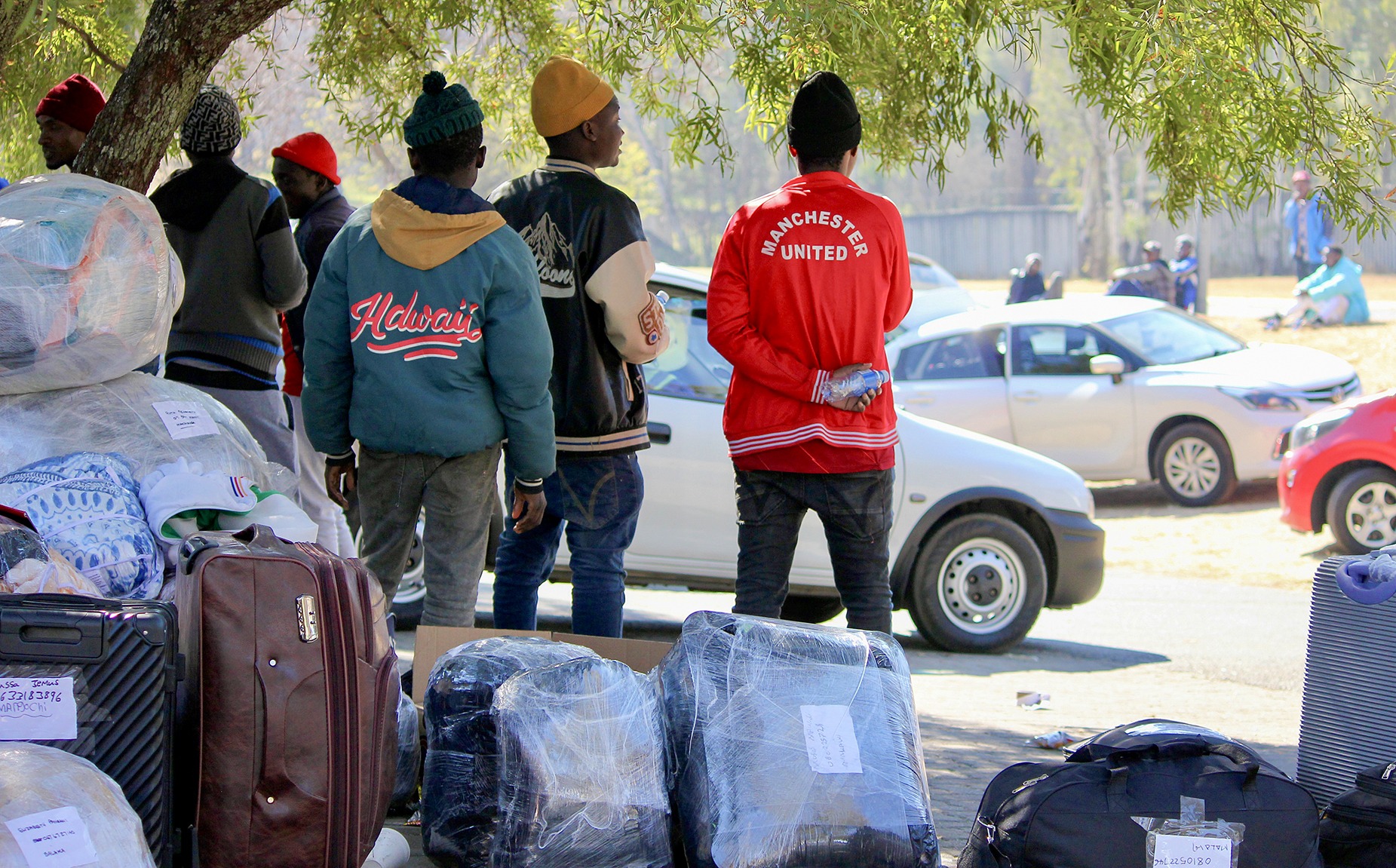
In Johannesburg, the Malawian consulate’s parking lot has become a shelter where repatriates sleep under the open sky with children, waiting for transport to the Lindela Repatriation Centre.

Sourcing & attribution. Newseze provides AI-curated summaries, narrative framing, and editorial analysis. The underlying reporting was contributed by Daily Maverick; tap “Open original source” above to read their full reporting and support the contributing newsroom directly.

Newseze Analysis421 words · original commentary
# South Africa's Repatriation Challenge Reveals Broader Migration Strain A parking lot in Johannesburg has transformed into an impromptu encampment housing Malawian nationals—including families with children—awaiting transport to a repatriation center. The situation reflects escalating tensions in South Africa surrounding undocumented immigration and the country's capacity to process deportations. While authorities frame repatriation as an orderly administrative process, conditions at the consulate suggest a humanitarian management challenge that has caught local officials unprepared for the scale or complexity of the situation. The parking lot conditions underscore a deeper structural problem within South Africa's immigration enforcement. The country has experienced significant waves of arrivals from neighboring nations, driven by economic hardship and political instability across the region. Rather than indicating callousness on the part of authorities, the Lindela bottleneck suggests resource constraints within the repatriation system itself. Processing centers have finite capacity, and the gap between detention and departure transport has created a visible humanitarian gap—one where consulate grounds now serve as de facto shelters. This is particularly notable because the consulate, as a foreign government's property, wasn't designed for this function and lacks basic amenities. The presence of children in these conditions raises legitimate questions about whether current procedures adequately protect vulnerable populations during the repatriation process. From a policy perspective, this situation reflects competing pressures that many nations face: enforcing immigration law while maintaining humanitarian standards. South Africa, like many countries with porous borders and limited resources, struggles to balance these demands. The evidence here is primarily observational—reports of conditions rather than systematic data on repatriation procedures, processing timelines, or government response efforts. What remains unclear is whether this represents a temporary operational failure or a chronic capacity problem. Are there alternative arrangements available? How long are individuals typically held? What safeguards exist for vulnerable groups? These operational details would better inform whether this is a systemic issue requiring policy reform or a crisis management challenge during a surge in departures. The broader context matters as well. South Africa has experienced periodic cycles of xenophobic unrest targeting foreign nationals, creating a politically fraught environment where immigration enforcement intersects with public sentiment. Conditions like those in the parking lot can inflame tensions on both sides—strengthening arguments that immigration enforcement is inadequate or, conversely, that the repatriation process itself is inhumane. **Worth knowing:** The Johannesburg parking lot situation illustrates how immigration enforcement logistics can create humanitarian byproducts even when officials are attempting lawful deportation. The issue isn't necessarily the *principle* of repatriation but rather operational capacity and procedural safeguards. Reporting: Daily Maverick.
Ask Us · Any Story, Any AnswerBe the first to ask

Newseze's algorithm reads the story and answers your question — calmly, factually, with source attribution. No comments, no flame wars — just answers.

No questions yet. Be the first.

Answers reflect Newseze's editorial framework applied under fair use (17 U.S.C. § 107). Not financial, legal, medical, or tax advice. Hate speech and racial slurs are blocked.

Related stories