Saturday, July 11, 2026
NewsezeNews with Rewards · Earn while you read
+5 credits / query
world

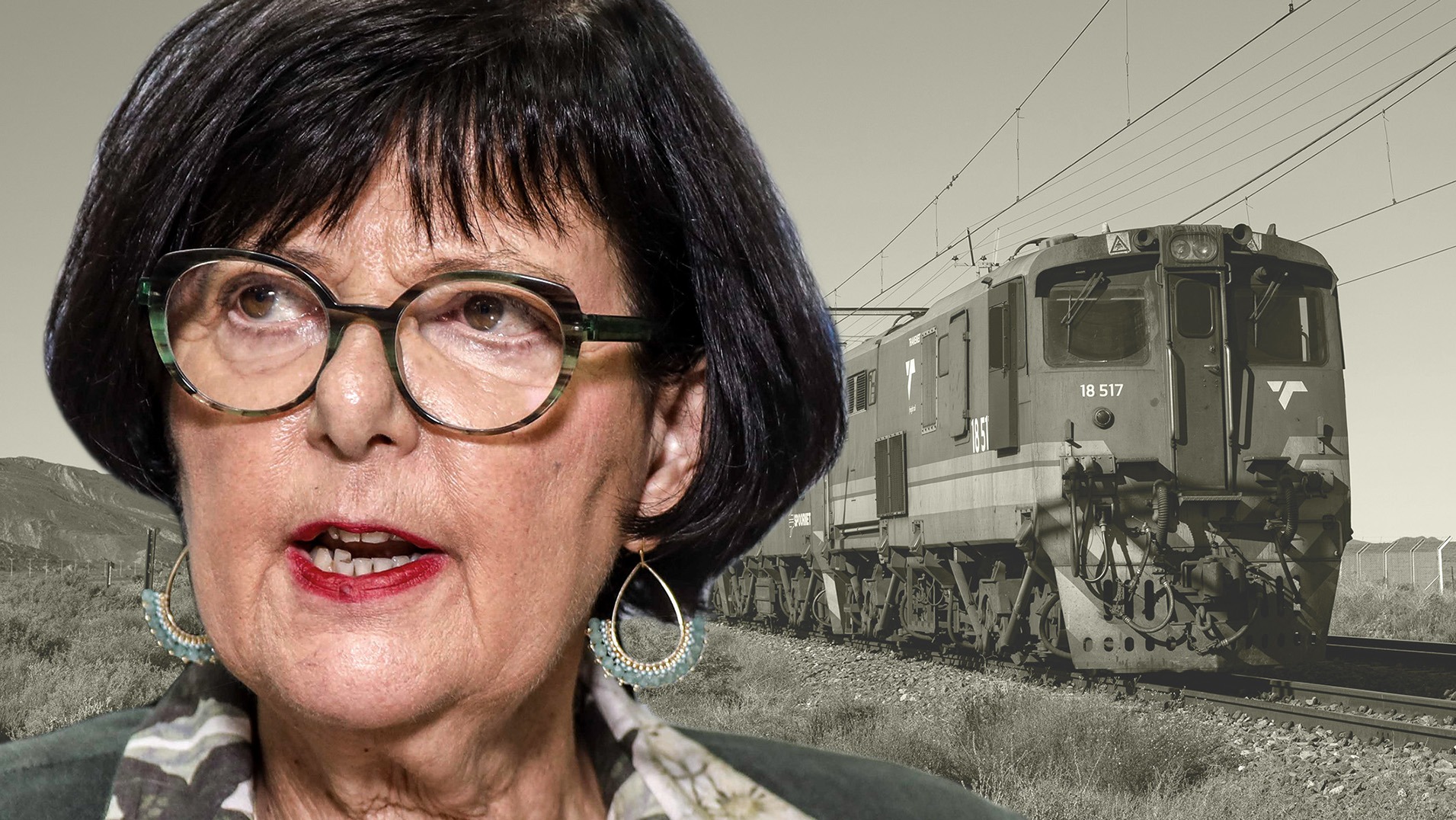
BACK ON TRACK: Transport Minister Barbara Creecy has made the hard yards in rail reform
Newseze Wire·Thu, Jul 9, 10:57 PMWire: Daily Maverick
Open original source Read full story (in-site)
BACK ON TRACK: Transport Minister Barbara Creecy has made the hard yards in rail reform

Transport Minister Barbara Creecy heralds a new era for South Africa’s freight rail by approving 11 private companies, aiming for a target of 250 million tonnes by 2030.

Sourcing & attribution. Newseze provides AI-curated summaries, narrative framing, and editorial analysis. The underlying reporting was contributed by Daily Maverick; tap “Open original source” above to read their full reporting and support the contributing newsroom directly.

Newseze Analysis423 words · original commentary
# South Africa's Rail Revival: A Private-Sector Gamble on Freight Recovery South Africa's Transport Minister Barbara Creecy has authorized eleven private companies to operate freight services on the national rail network, signaling an ambitious shift toward privatization as a fix for the country's ailing rail infrastructure. The approvals represent a deliberate strategy to rehabilitate Transnet Freight Rail, the state-owned operator that has hemorrhaged market share and capacity over the past decade. By licensing competing operators, the government aims to achieve 250 million tonnes of annual freight movement by 2030—a substantial increase from current levels and a necessary step toward economic recovery. The analytical stakes here are significant. South Africa's freight rail system has been strangled by underinvestment, aging equipment, and operational inefficiency, with the result that trucking has cannibalized rail's traditional market share. Creecy's approval of private operators represents a recognition that state monopolies alone cannot arrest this decline. The theory behind the move is straightforward: competition forces efficiency, attracts capital investment, and allows specialized operators to serve niche markets that state-run monopolies ignore. The 250-million-tonne target, if achieved, would restore rail to something closer to its historical role as the backbone of South African freight logistics. For the country's mining sector, agricultural exporters, and import-dependent manufacturers, reliable rail capacity has genuine economic consequences—lower transport costs ripple through entire supply chains. However, the success of this reform depends on execution variables beyond minister approval. Private operators require maintained track infrastructure, reliable scheduling, and transparent access arrangements—all areas where South Africa's rail system has historically stumbled. The licensing of eleven companies creates potential for coordination challenges and disputes over network priority. Additionally, Transnet Freight Rail itself must be reformed operationally and financially; new competitors cannot succeed if the state operator monopolizes the best routes or deliberately undercuts pricing unsustainably. The evidence for whether such public-private hybrid models succeed is mixed globally—some nations have seen genuine recovery, while others have experienced chaos and fragmentation. Creecy's initiative represents a pragmatic acknowledgment that South Africa's rail crisis demands structural solutions, not just rhetoric. Whether this particular approach yields the projected tonnage targets will depend less on the elegance of the policy design and more on the unglamorous work of implementation: maintaining infrastructure, managing inter-operator logistics, and ensuring the state entity accepts its reduced role gracefully. **Worth knowing:** Rail reform tends to involve multi-year timelines and significant political friction. Monitor whether these eleven operators actually commence operations and begin competing effectively, or whether bureaucratic friction and infrastructure constraints render the licenses symbolic rather than transformative. Reporting: Daily Maverick.
Ask Us · Any Story, Any AnswerBe the first to ask

Newseze's algorithm reads the story and answers your question — calmly, factually, with source attribution. No comments, no flame wars — just answers.

No questions yet. Be the first.

Answers reflect Newseze's editorial framework applied under fair use (17 U.S.C. § 107). Not financial, legal, medical, or tax advice. Hate speech and racial slurs are blocked.

Related stories