Trump's $1.4 Billion Crypto Haul Sinks the Senate's Crypto Bill

Bitcoin over the Capitol Building
Sourcing & attribution. Newseze provides AI-curated summaries, narrative framing, and editorial analysis. The underlying reporting was contributed by Reason; tap “Open original source” above to read their full reporting and support the contributing newsroom directly.
Across the aisle
Same story · other lanesHere's how the same story is being covered by outlets in other lanes. Read both — Newseze doesn't pick a side.
Newseze's algorithm reads the story and answers your question — calmly, factually, with source attribution. No comments, no flame wars — just answers.
No questions yet. Be the first.
Answers reflect Newseze's editorial framework applied under fair use (17 U.S.C. § 107). Not financial, legal, medical, or tax advice. Hate speech and racial slurs are blocked.
Related stories
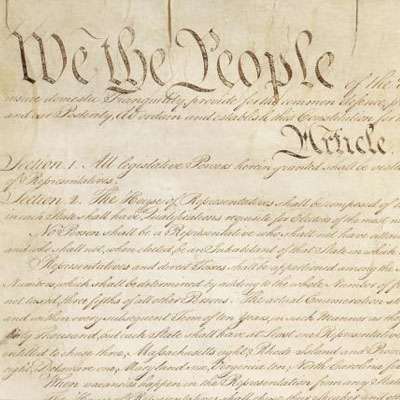
Why it matters9/17/1787: The Constitution is signed. Happy Constitution Day!
9/17/1787: The Constitution is signed. Happy Constitution Day! The post Today in Supreme Court History: September 17, 1787 appeared first on Reason Magazine.
 By Michael·11h ago
'/> </pattern> </defs> <rect width='1200' height='675' fill='url(%23g)'/> <rect width='1200' height='675' fill='url(%23dots)'/> <rect x='60' y='210' width='6' height='80' fill='%23f5a524'/> <text x='90' y='268' font-size='15' font-weight='900' letter-spacing='5' fill='%23f5a524'>BUSINESS</text> <g font-family='Inter, Arial, sans-serif'> <text x='60' y='320' font-size='44' font-weight='800' fill='rgba(255,255,255,0.97)' letter-spacing='-0.5'>Influencer Haley Kalil's Remarks About</text><text x='60' y='376' font-size='44' font-weight='800' fill='rgba(255,255,255,0.97)' letter-spacing='-0.5'>Ex-Husband Matt Kalil's Penis Size</text><text x='60' y='432' font-size='44' font-weight='800' fill='rgba(255,255,255,0.97)' letter-spacing='-0.5'>Were "Newsworthy," and Thus Not…</text> <text x='60' y='620' font-size='14' font-weight='700' letter-spacing='3' fill='rgba(255,255,255,0.7)'>REASON · NEWSEZE</text> </g> </svg>)
Why it mattersBecause her comments came in describing her marriage and her divorce, she "was discussing her life, not Matt's, and the law generally protects a person's speech about herself, even though such speech inevitably reveals d…
Because her comments came in describing her marriage and her divorce, she "was discussing her life, not Matt's, and the law generally protects a person's speech…
By Michael·1h ago
Why it mattersAs AI infrastructure demands surge, states gain tools to prevent utility costs from spiking for ordinary consumers while preserving competitive data center markets.
The bipartisan legislation would create a regulatory framework states could adopt to prevent data center-related energy costs from being passed on to consumers.
By Michael·22h ago'/> </pattern> </defs> <rect width='1200' height='675' fill='url(%23g)'/> <rect width='1200' height='675' fill='url(%23dots)'/> <rect x='60' y='210' width='6' height='80' fill='%23f5a524'/> <text x='90' y='268' font-size='15' font-weight='900' letter-spacing='5' fill='%23f5a524'>BUSINESS</text> <g font-family='Inter, Arial, sans-serif'> <text x='60' y='320' font-size='44' font-weight='800' fill='rgba(255,255,255,0.97)' letter-spacing='-0.5'>District Court Says License-Plate</text><text x='60' y='376' font-size='44' font-weight='800' fill='rgba(255,255,255,0.97)' letter-spacing='-0.5'>Cameras Don't Trigger Fourth Amendment</text><text x='60' y='432' font-size='44' font-weight='800' fill='rgba(255,255,255,0.97)' letter-spacing='-0.5'>Protections—First Post-Chatrie Test…</text> <text x='60' y='620' font-size='14' font-weight='700' letter-spacing='3' fill='rgba(255,255,255,0.7)'>REASON · NEWSEZE</text> </g> </svg>)
Why it mattersA federal court has now clarified how privacy law applies to Flock cameras, the automated license-plate readers cities use at scale, shaping whether law enforcement needs warrants to use mass surveillance tools.
The first post-Chatrie ruling on the question.
By Michael·22h ago