Love to Read? Your Book Habit May Lower Alzheimer’s Risk by 33%

Research shows that reading has many benefits for people of all ages. Goodboy Picture Company · E+/Getty Research shows that reading for pleasure has various benefits for people of all ages.
Sourcing & attribution. Newseze provides AI-curated summaries, narrative framing, and editorial analysis. The underlying reporting was contributed by Healthline; tap “Open original source” above to read their full reporting and support the contributing newsroom directly.
Newseze's algorithm reads the story and answers your question — calmly, factually, with source attribution. No comments, no flame wars — just answers.
No questions yet. Be the first.
Answers reflect Newseze's editorial framework applied under fair use (17 U.S.C. § 107). Not financial, legal, medical, or tax advice. Hate speech and racial slurs are blocked.
Related stories

Why it mattersDrinking coffee or tea at very high temperatures could triple your risk of esophageal cancer, researchers say. alvarez/E+/Getty Images Researchers have found a possible link between drinking very hot drinks and esophagea…
Drinking coffee or tea at very high temperatures could triple your risk of esophageal cancer, researchers say. alvarez/E+/Getty Images Researchers have found a …
 By Chella·1h ago
Why it mattersA survey suggests that only 20% of U.S. males know that milk and dairy products are potentially linked to prostate cancer risk.
A survey suggests that only 20% of U.S. males know that milk and dairy products are potentially linked to prostate cancer risk. Eva-Katalin/E+/Getty Images A ne…
By Chella·4h ago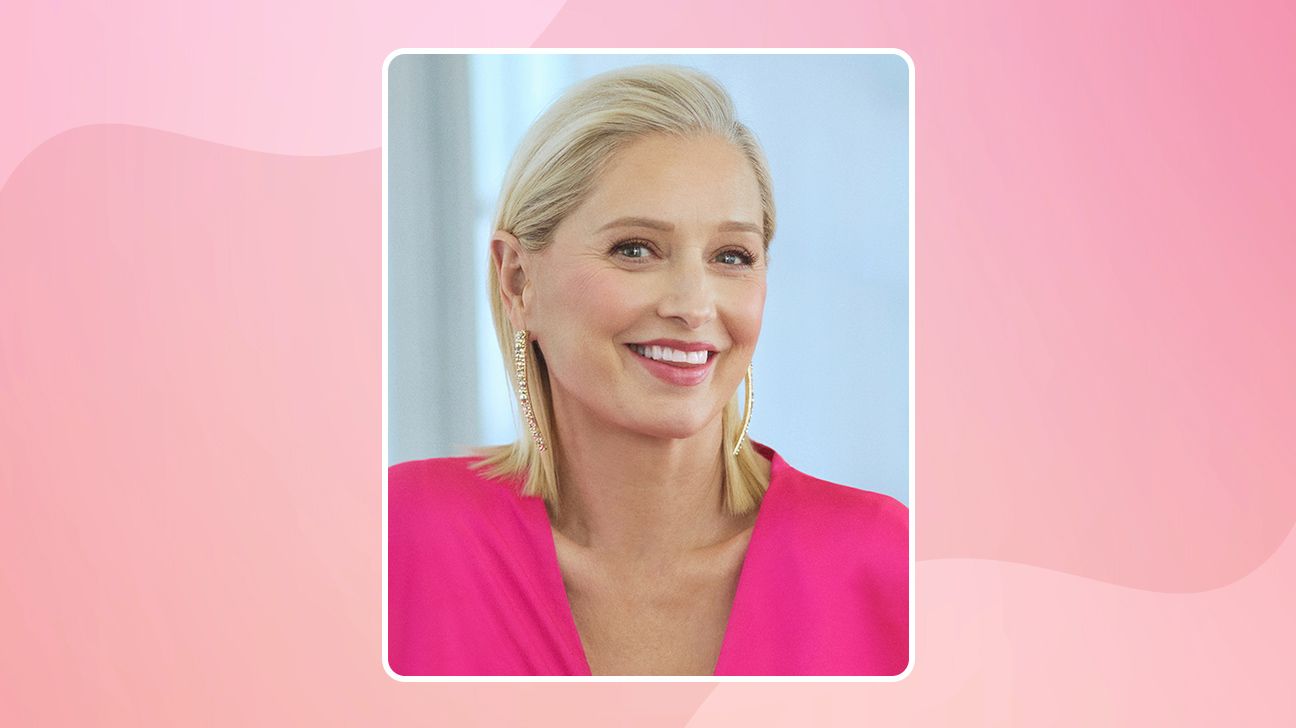
Why it mattersKatherine LaNassa. Photo by Emily Sandifer Emmy winner Katherine LaNasa, who plays Nurse Dana on The Pitt , was diagnosed with stage 1 breast cancer following a routine mammogram.
Katherine LaNassa. Photo by Emily Sandifer Emmy winner Katherine LaNasa, who plays Nurse Dana on The Pitt , was diagnosed with stage 1 breast cancer following a…
By Chella·1d ago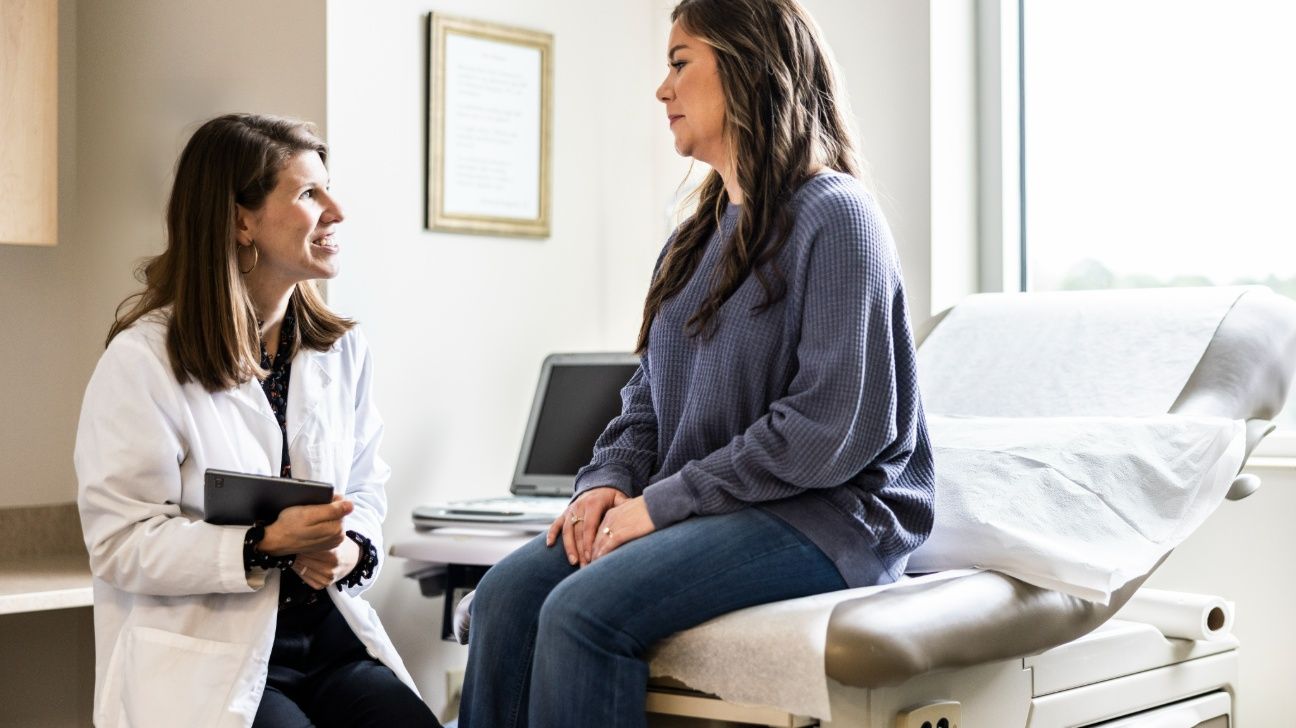
Why it mattersA dramatic rise in unscreened women in their 20s—from 12.5% in 2005 to 32% in 2023—is linked to gaps in insurance, education, and race, while cervical cancer rates climb among older women who may have delayed screening.
According to recent research, nearly 32% of females in their 20s have never had a cervical screening. MoMo Productions · DigitalVision/Getty Recent research fou…
By Chella·21h ago